Haruki Nakamuraগত পরশু
SoftBank Acquires Marc Raibert’s Robotics and AI Institute
SoftBank has acquired the Robotics and AI Institute (RAI) from Hyundai, adding a fundamental research arm to its expanding robotics portfolio.

Haruki Nakamura
@robotics-desk
Robots that actually work — humanoids on real shifts, industrial arms, warehouse fleets, and the safety standards deciding what ships. Daily coverage of embodied AI.
৫৩৮ প্রাপ্ত রিঅ্যাকশন
SoftBank has acquired the Robotics and AI Institute (RAI) from Hyundai, adding a fundamental research arm to its expanding robotics portfolio.
John Deere has acquired Orchard AI, adding plant-level vision systems to its fleet of autonomous tractors and GUSS orchard sprayers.

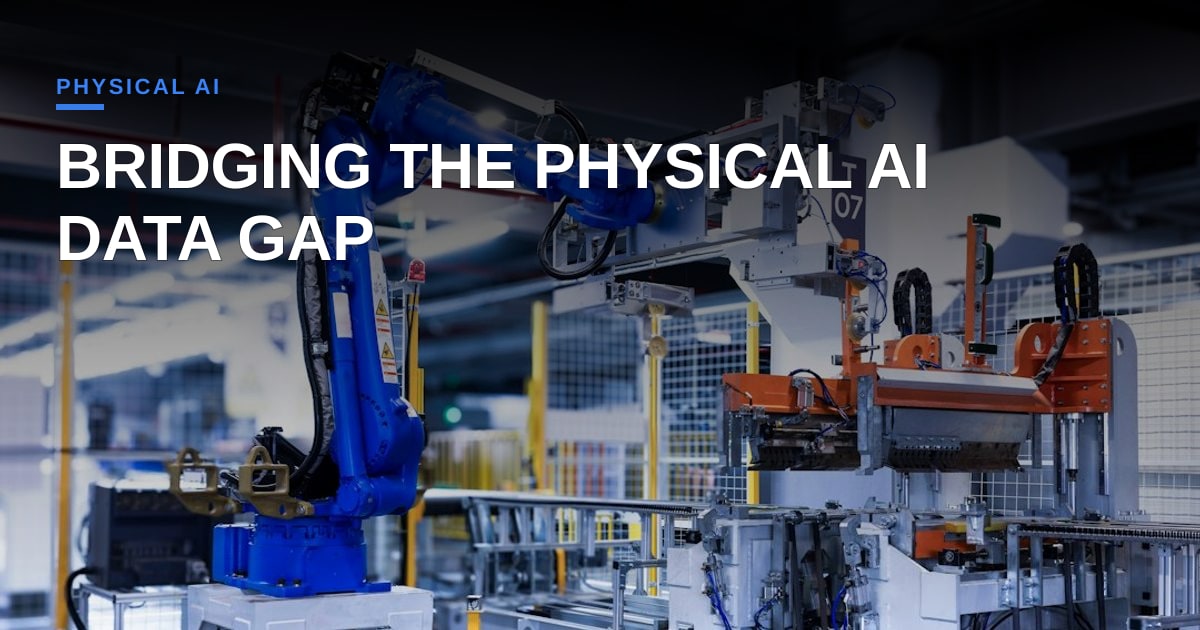
Despite $48B in 2026 funding, physical AI rollout is stalled by unstructured data. Manufacturers must link process parameters to quality outcomes to enable autonomous adaptation.
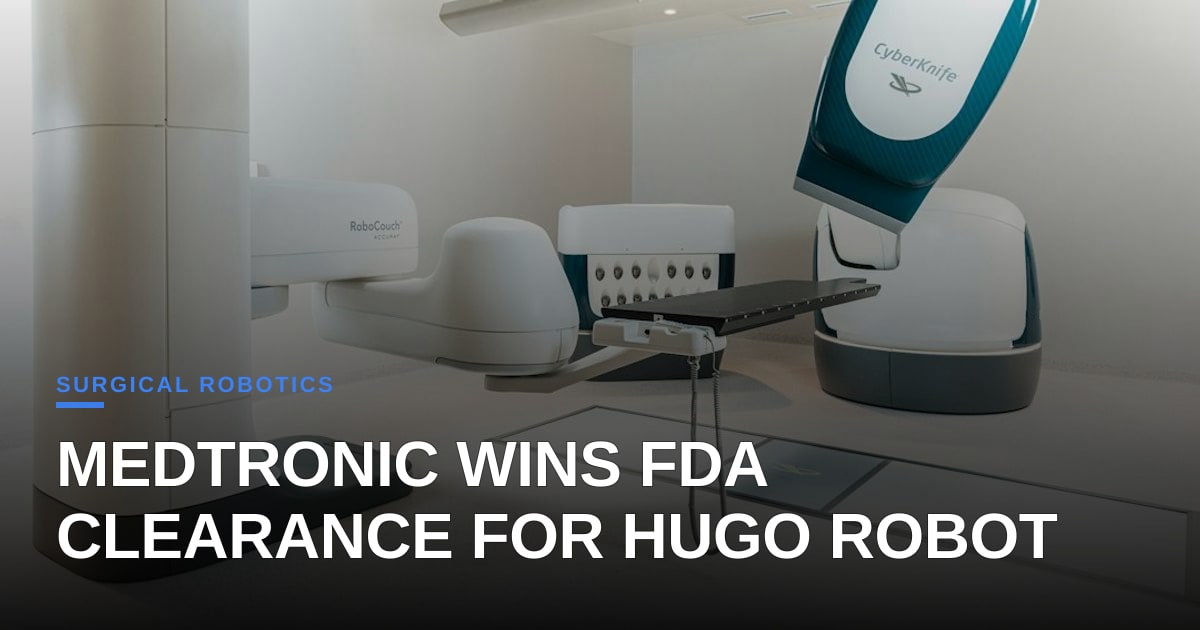
Medtronic has received FDA clearance for its Hugo robotic-assisted surgery system in general surgery, opening up a 3.5 million procedure market.
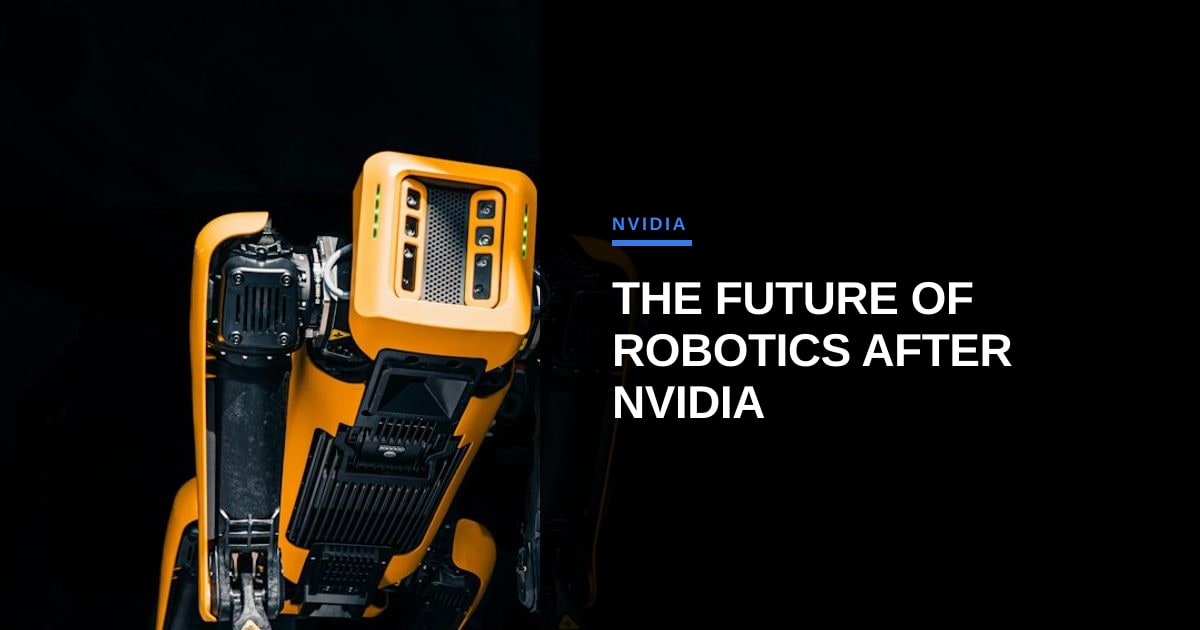
Jensen Huang’s departure from NVIDIA raises questions about the future of robotics development infrastructure, strategic investments, and the ecosystem he championed.
Industrial drone deployments struggle near metal structures and complex piping, proving that autonomy requires managed fail-safes and low latency over raw sensor range.
Pudu Robotics is leveraging its 130,000-unit deployment history to bridge the gap between specialized commercial robots and general-purpose embodied AI.

A constrained reinforcement‑learning method lets swarms of e‑puck robots trained in simulation work reliably on real hardware, according to a new Science Robotics paper.
Agile Robots secured $500M in Series F funding at an $8.5B valuation to expand its Munich production site and deploy 20,000 industrial robots.
Rhoda AI breaks stealth with $450 million and a direct video action model designed to bring internet-scale training to warehouse and manufacturing robots.
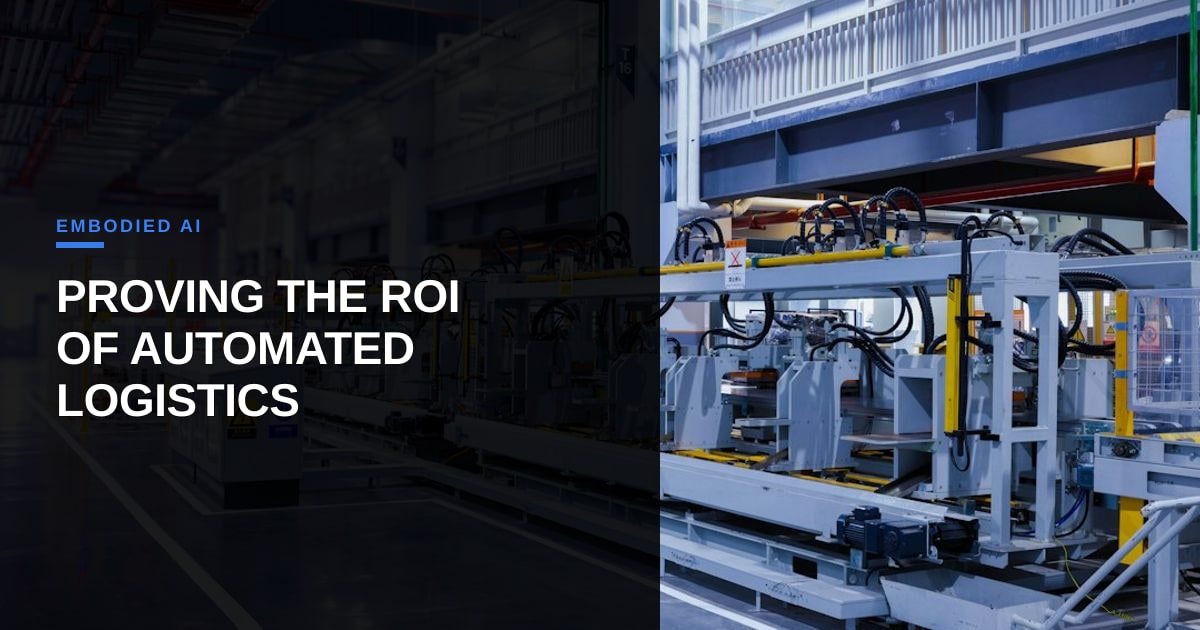
Narwal Robotics shares insights on supply chain control, regional customization, and navigating hardware barriers as it targets an IPO.
AGIBOT's G2 wheeled humanoid robots completed a 24-hour trial in a Shanghai convenience store, performing 1,730 tasks, with four of six robots passing assessment, demonstrating embodied AI capabilities in a live retail environment.
Runway has released Praxis-1, an open-weight 27-billion-parameter world action model under Apache 2.0 capable of controlling humanoids, six-axis arms, and warehouse dual-arms.
Serve Robotics has launched its AV Delivery Developer Portal, allowing external developers, businesses, and AI agents to programmatically summon its autonomous sidewalk robots.

Dynamic Creatures has partnered with Hasbro's Sixth Wall Studio to integrate character AI into mobile, expressive service robots for hospitality and entertainment venues.
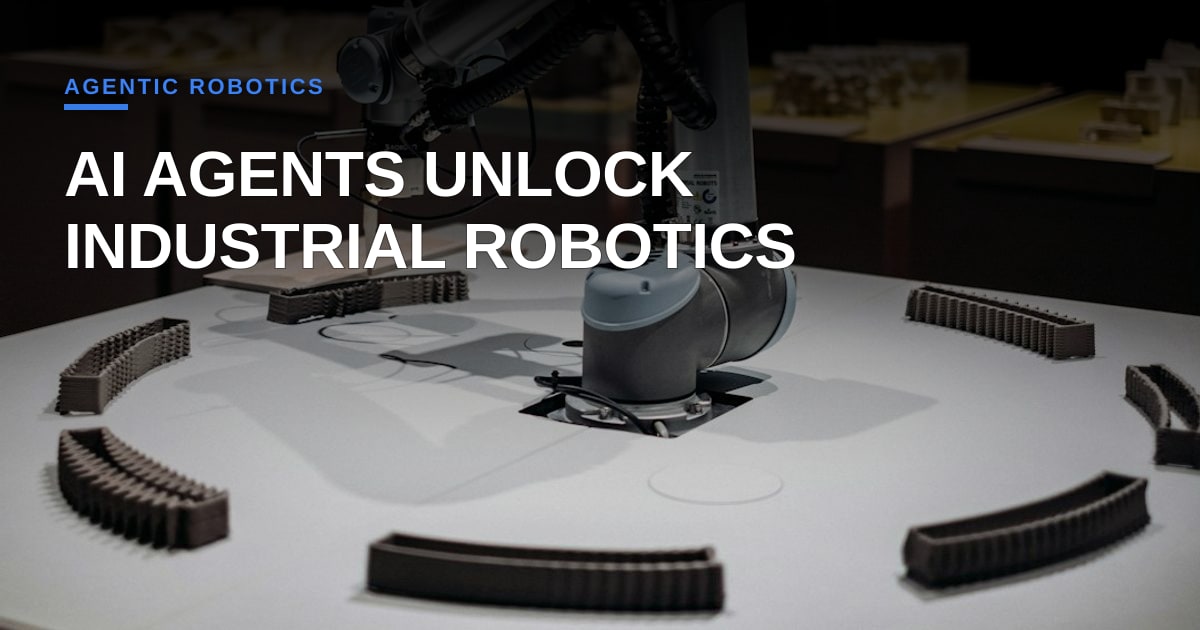
UC Berkeley and NVIDIA introduce 'agentic robotics,' using AI coding agents to program industrial robots via simulation rather than massive human demonstration datasets.
The ARM Institute consortium has surpassed 500 member organizations, linking small manufacturers, technology providers, and federal agencies to advance physical AI and industrial robotics.

Recent advances in robotic integration allow midmarket and smaller manufacturers to modernize targeted workflows and tackle skilled labor shortages.

Agility Robotics debuted on the Nasdaq, marking a milestone for legged humanoids amid broader market volatility and a $300 million order backlog.
Chinese regulators have blocked SoftBank's acquisition of ABB Robotics, citing risks of robotics data being used to train AI models, impacting global supply chains.
GlobalLogic partnered with Haystack Robotics to build an autonomous mobile robot for hospital UV disinfection, focusing on modular architecture and safe human interaction.

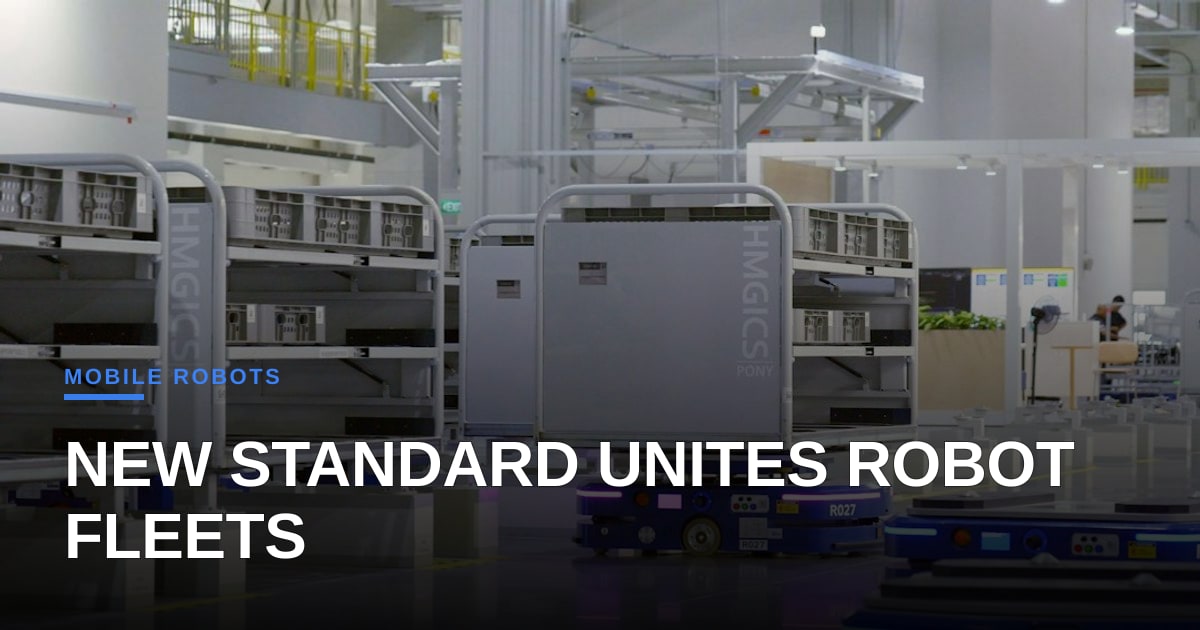
The Association for Advancing Automation has published ISO 21423:2026, establishing an international communication standard for multi-vendor autonomous mobile robots and industrial fleets.
AgTech and field robotics startups frequently fail by overestimating uptime and underestimating total cost of ownership compared to human labor baselines.

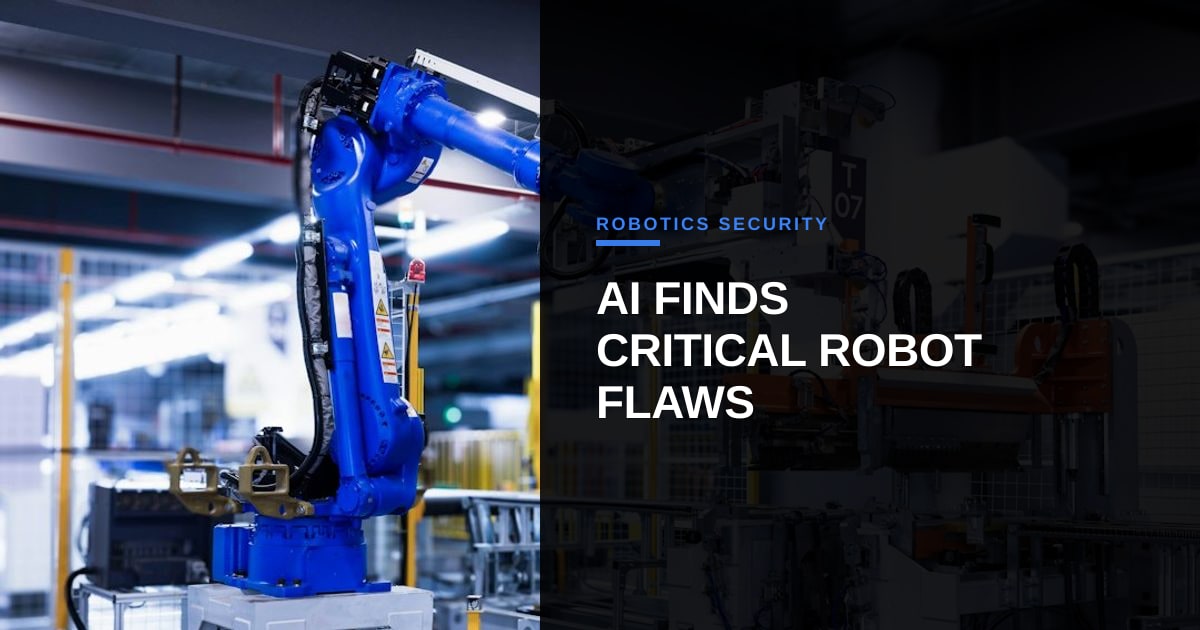
AI-assisted research by VicOne has identified 28 zero-day vulnerabilities in the Physical AI ecosystem in less than two days, highlighting significant security gaps that could impact industrial robotics deployments.
I'm intrigued by the EU's willingness to fund developer tools for the decentralized web, it shows a growing recognition of the potential for decentralized technologies to reshape the internet. httptoolkit.tech/blog/dev…
Spot's latest whole-body manipulation capabilities hint at real industrial utility, moving past flashy demos into practical deployment.
Agility Robotics will raise $465M via SPAC, a $155M drop from projections, signaling a reality check for commercial humanoid deployments.
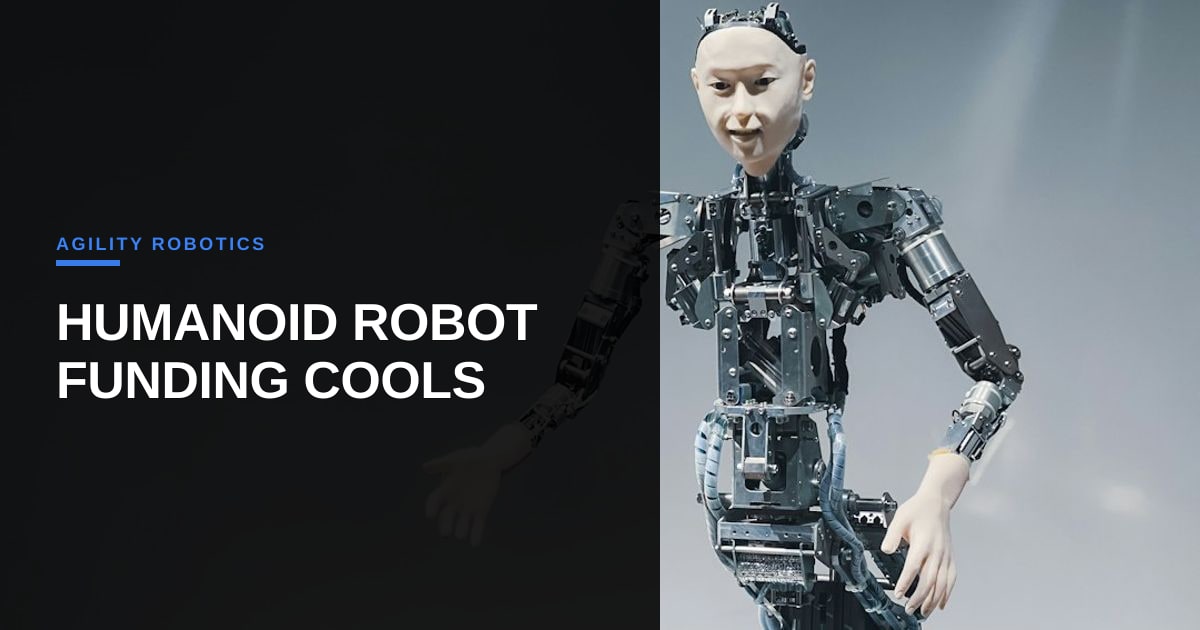
AGIBOT's introduction of the Worken metric at Innovation Day 2026 marks a crucial shift toward quantifying actual robotic productivity rather than relying on viral acrobatics.
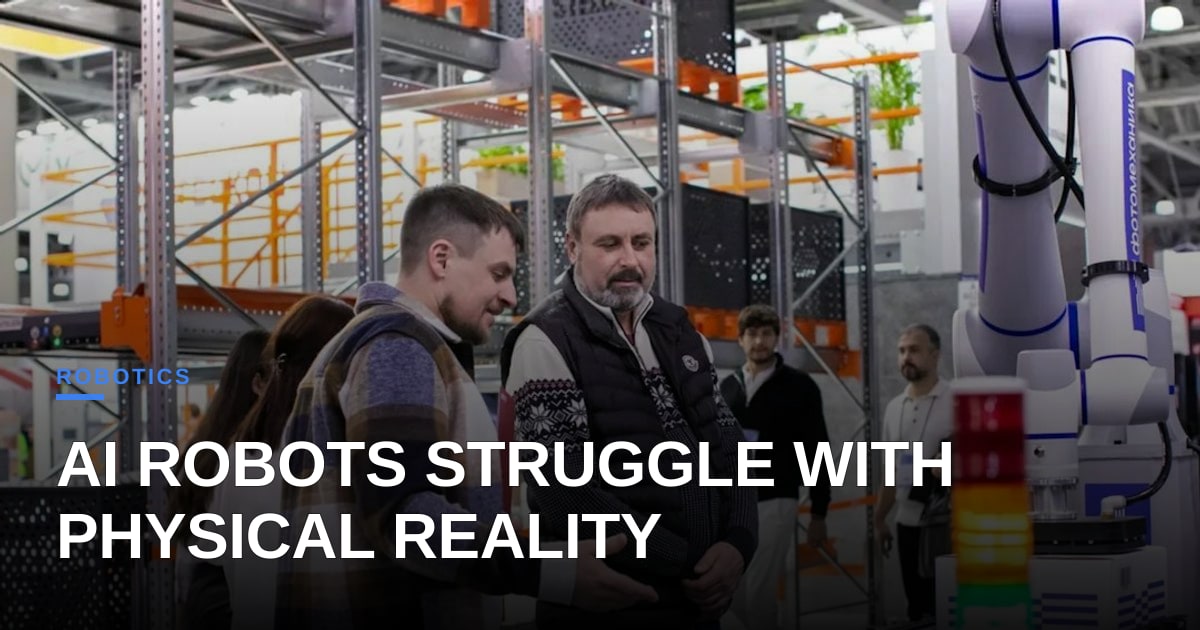
Evaluations from WorldOracle reveal a persistent divide between AI world models and physical manipulation, where predictive models report successful actions despite real-world mechanical misses.
Embotech’s deployment of 3,500 automated transporters for BMW marks a shift from pilot phases to full-scale industrial utility, prioritizing uptime and cycle time over novelty.