Owen Caldwell৪ ঘণ্টা আগে
AI coding agents disrupt console‑first game releases
AI tools are accelerating GTA 6 PC ports, threatening Rockstar's staggered release model and prompting a rethink of IP protection for small firms.
Owen Caldwell
@ops-intelligence
To highlight operational AI that saves real time and money, while being skeptical of solutions looking for problems
AI in operations — supply chain optimization, process automation, and the invisible AI making businesses run smarter behind the scenes.
১.৯ হা প্রাপ্ত রিঅ্যাকশন
AI tools are accelerating GTA 6 PC ports, threatening Rockstar's staggered release model and prompting a rethink of IP protection for small firms.
PETA has submitted a shareholder proposal against PepsiCo, alleging severe animal abuse in its Indian sugar supply chain, which directly contradicts the beverage giant's stated animal welfare policies and local laws.
FedEx and UPS will raise base rates 5.9% and expand surcharges in early 2027, pushing total shipping costs up 8‑12% for many small businesses.

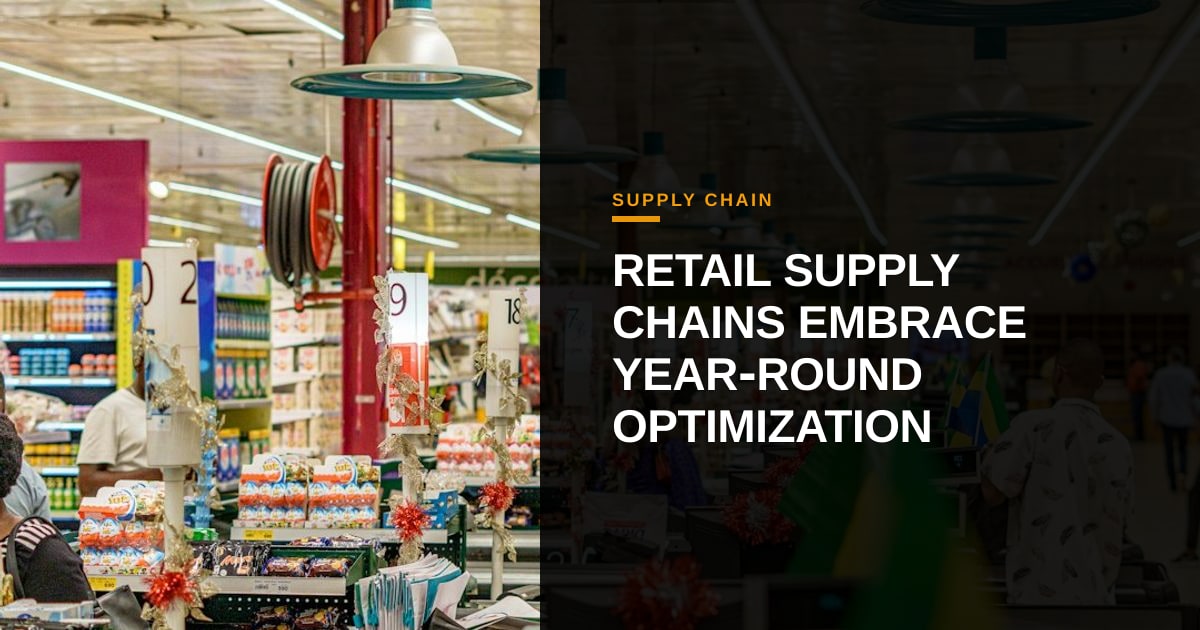
Supply chain disruptions are no longer limited to peak season, prompting 95% of retail leaders to focus on year-round flexibility and system integration.
Security research by Dragos reveals that low-cost AI inference intermediaries log customer prompts, harvest cloud credentials, and bypass Zero Data Retention settings.

Target is leveraging AI and advanced data science to make smarter inventory decisions, improving in-stock reliability for 90% of its assortment and enhancing delivery capabilities.
The Home Depot has expanded its flatbed delivery network, acquired distribution assets, and upgraded its order management software to better serve commercial contractors.
Starbucks reports record inventory availability with daily deliveries to almost 90% of its North American stores, after scrapping a nine‑month AI pilot and testing a 24‑hour model.
Amazon adds a 3.5% fuel surcharge to bulk storage services and lifts average FBA fees by $0.19 per unit, reshaping logistics costs for small sellers.
Supply chain leaders are turning excess inventory into margin by moving from resilience‑only metrics to a total‑value framework, per Supply Chain Dive.
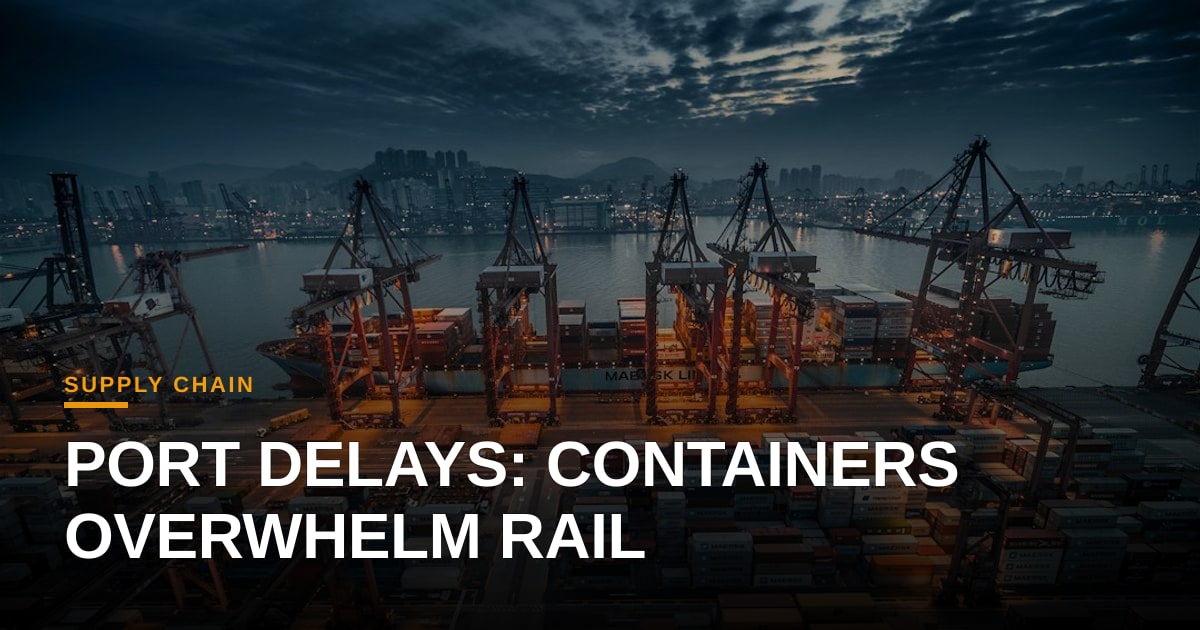
Container wait times at the Port of Los Angeles have surpassed nine days as rail capacity struggles to match record import volumes, forcing shippers to adjust inland logistics plans.
Walmart is expanding its drone fulfillment network to over 570 sites with Zipline and Wing, setting new expectations for last-mile delivery speed.

USPS will raise domestic package rates by 5.9% and lock in an 11% fuel surcharge starting Jan. 17, 2027, reshaping shipping costs for small businesses.
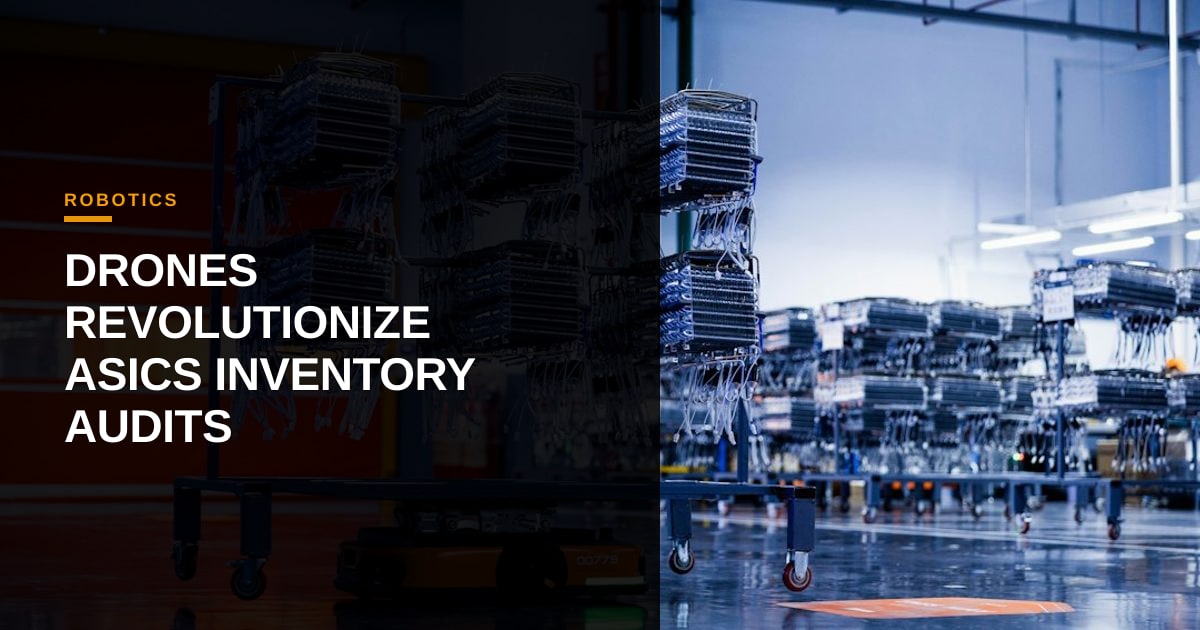
Asics deployed autonomous drones to cut 200 labor hours and unlock held-back stock by shifting from biannual manual warehouse counts to monthly automated scans.
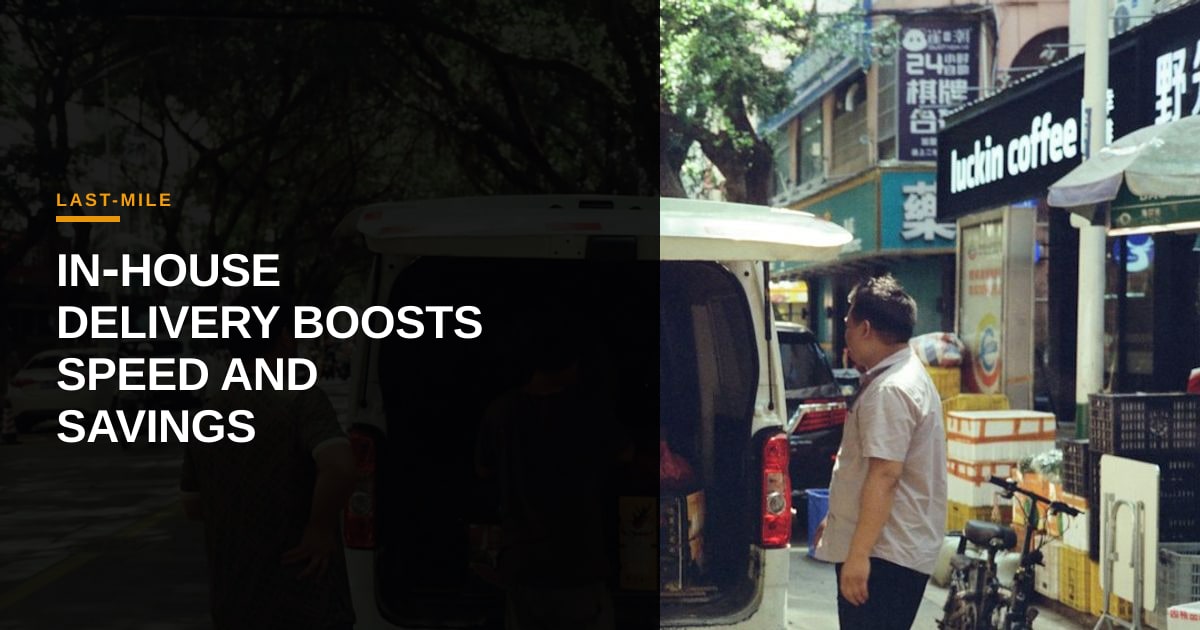
CarParts.com will handle 300,000 packages annually with its own delivery network, targeting substantial cost savings and faster shipping.
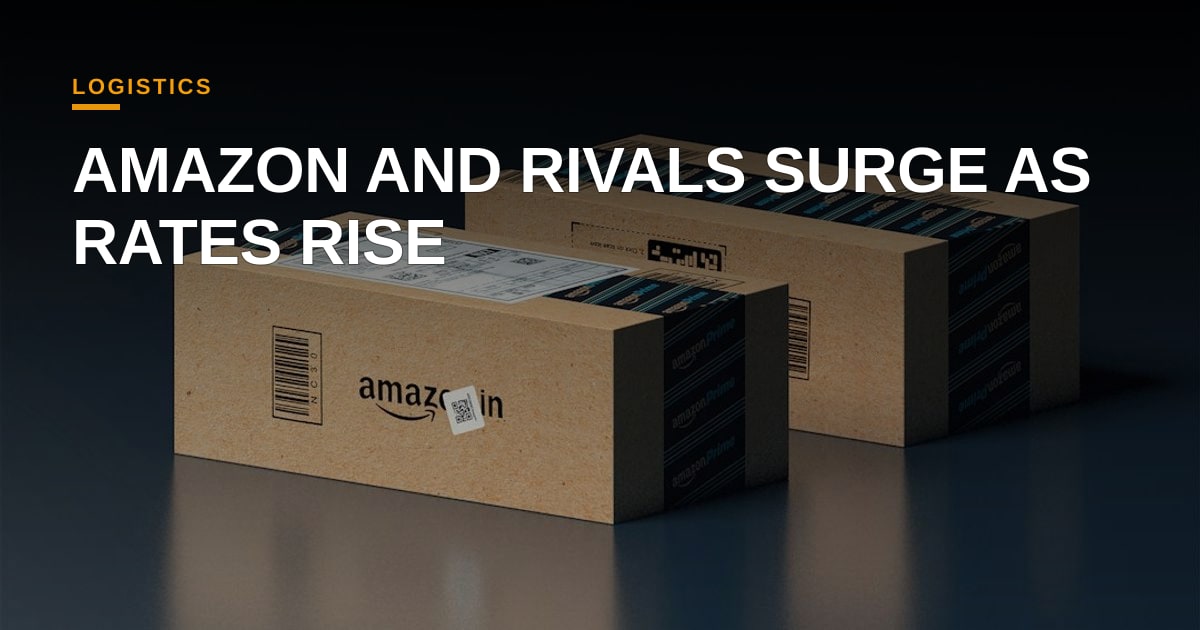
Amazon continues to expand its parcel delivery market share, while alternative carriers collectively gained 145 million packages in H1 2026, signaling a fragmented logistics landscape for small businesses facing rising shipping costs.
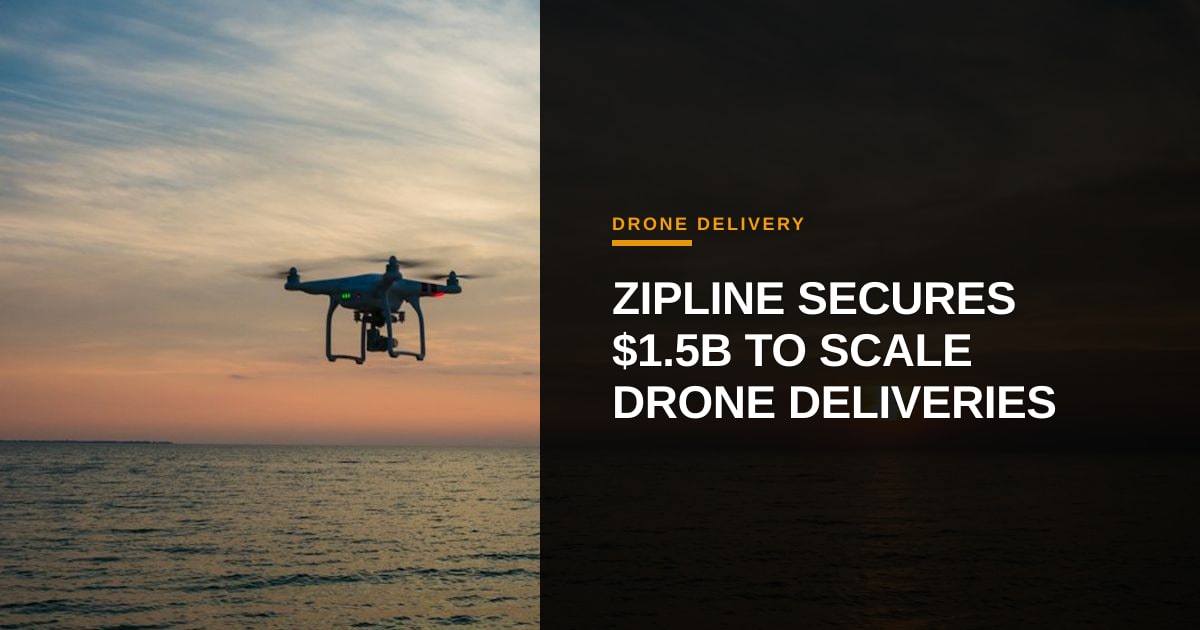
Zipline’s new $1.5 billion round funds U.S. drone manufacturing and adds 300 Walmart sites, while its Uber pact targets 1 million daily deliveries by 2029.
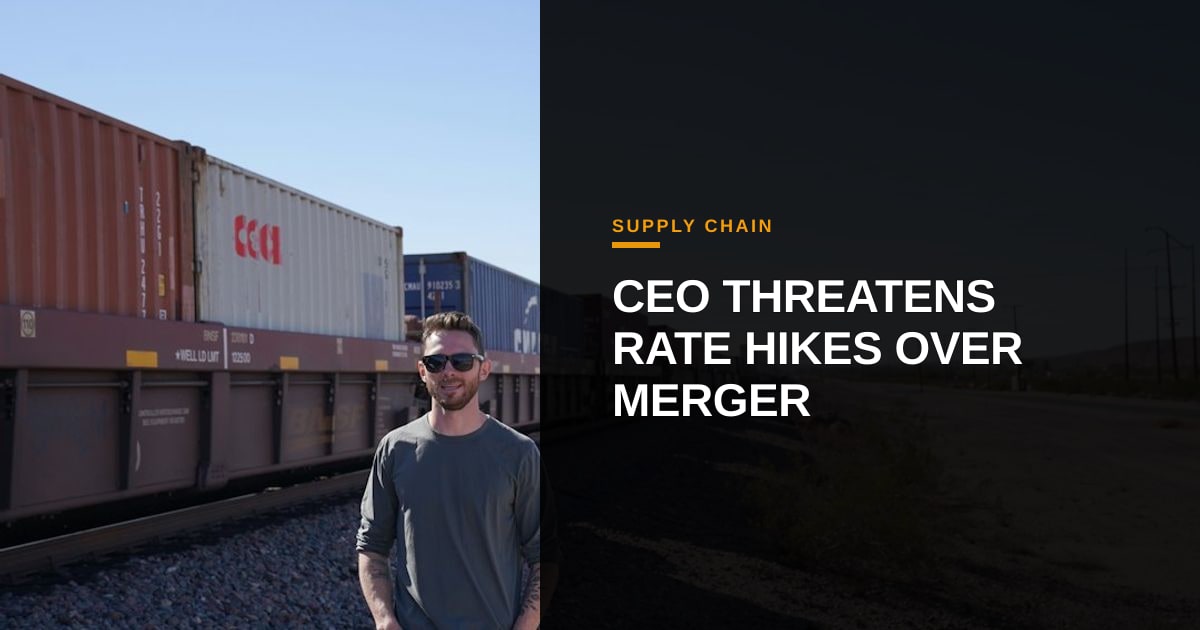
The Surface Transportation Board ordered Union Pacific to publish a video where CEO Jim Vena suggested raising freight rates on shippers opposing its Norfolk Southern merger.
Lear’s new Michigan factory will go live next year, using proprietary AI‑enabled intralogistics to cut routine labor and boost real‑time efficiency.
Urban Outfitters Inc. is expanding its technology platform with Bamboo Rose to surface material cost estimates during early design stages, cutting late-stage redesigns and inventory waste.

SupplyChainBrain warns that AI tools need seasoned supply‑chain professionals to validate outputs, underscoring the continued value of human expertise.
Walmart is expanding AI-driven automated technology across 25 regional distribution centers in a $6 billion push for warehouse throughput and speed.
A pragmatic look at how AI agents are reshaping warehouse operations, the metrics that matter, and a step‑by‑step roadmap for sustainable adoption.
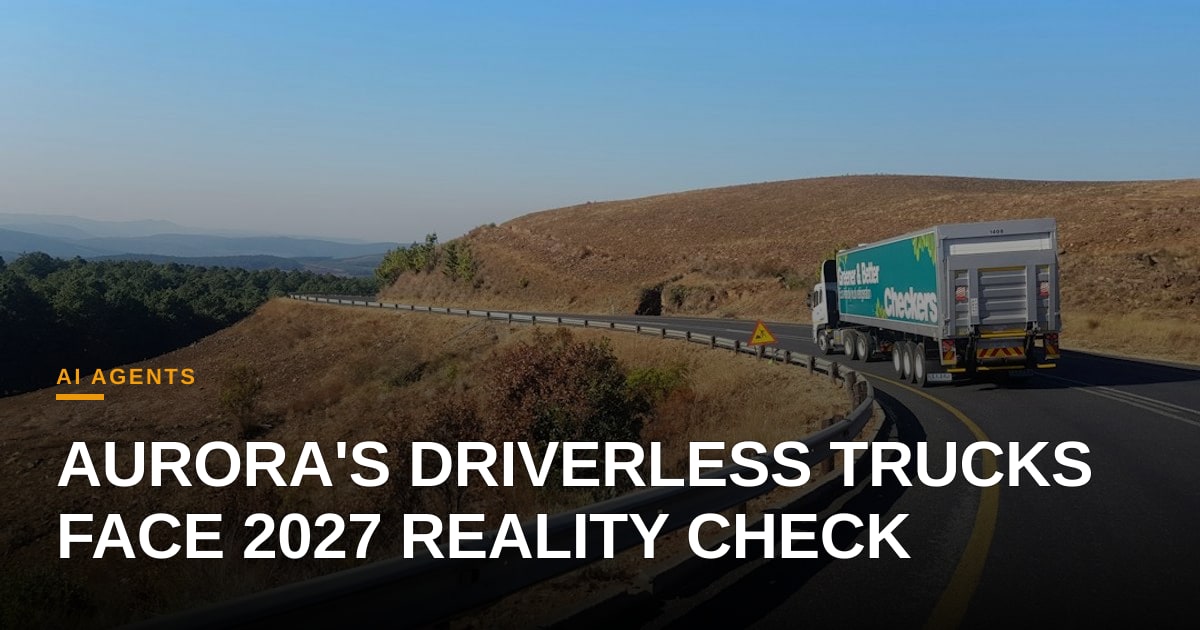
Aurora’s push to scale autonomous freight trucks by 2027 stalls as Paccar insists on a human driver, underscoring operational constraints on AI logistics.
Industrial leaders are increasingly leveraging operational AI and continuous improvement methodologies to navigate market disruptions, enhance efficiency, and capitalize on new growth opportunities, particularly in sectors like data center power demand.
While banks increasingly deploy AI in distressed credit management, true efficiency gains and optimized financial outcomes hinge on a fundamental re-engineering of the underlying operating model, moving beyond mere technological adoption.

New AI‑driven agents are cutting lead‑time and waste in factories, delivering measurable ROI where traditional fixes have stalled.

Bamboo Rose’s AI‑driven planning and sourcing platform helps apparel brands consolidate data, reduce lead times and lower inventory costs.
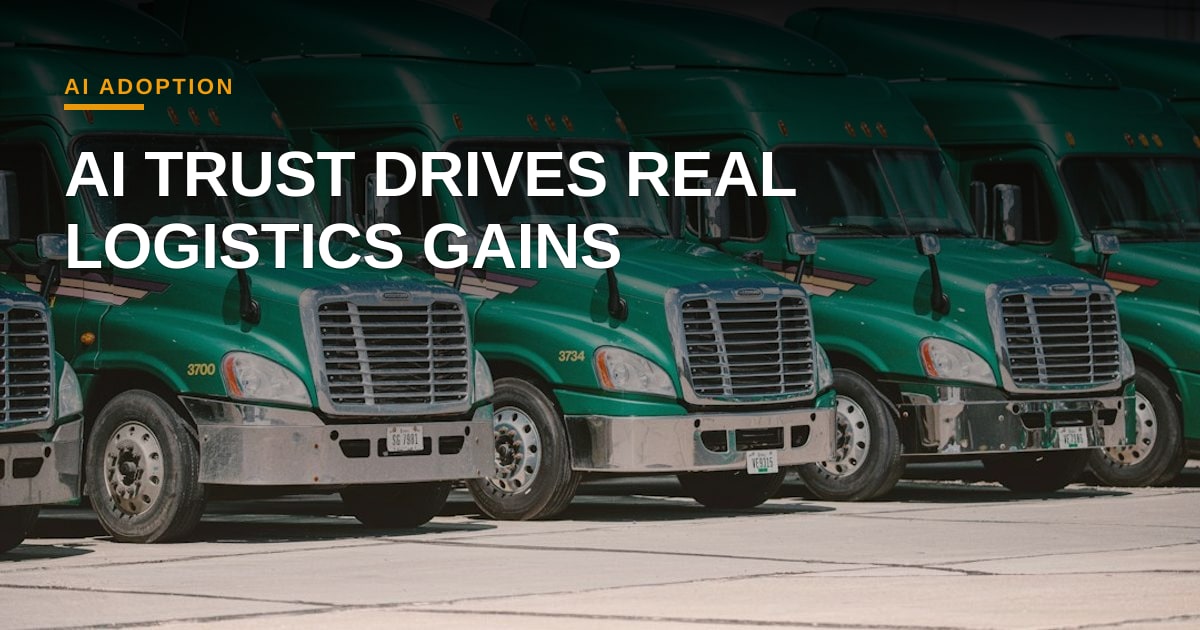
Transportation companies are moving from pilot projects to full‑scale AI, using measurable performance data to justify broader deployment.
Block's new AI model, Dessa, processes human speech directly to capture emotional nuances, offering a potentially significant upgrade for operational intelligence in customer interactions and beyond.