Loading...
Port of Los Angeles Rail Dwell Times Surge Past Nine Days Amid Container Record
Los Angeles, USA
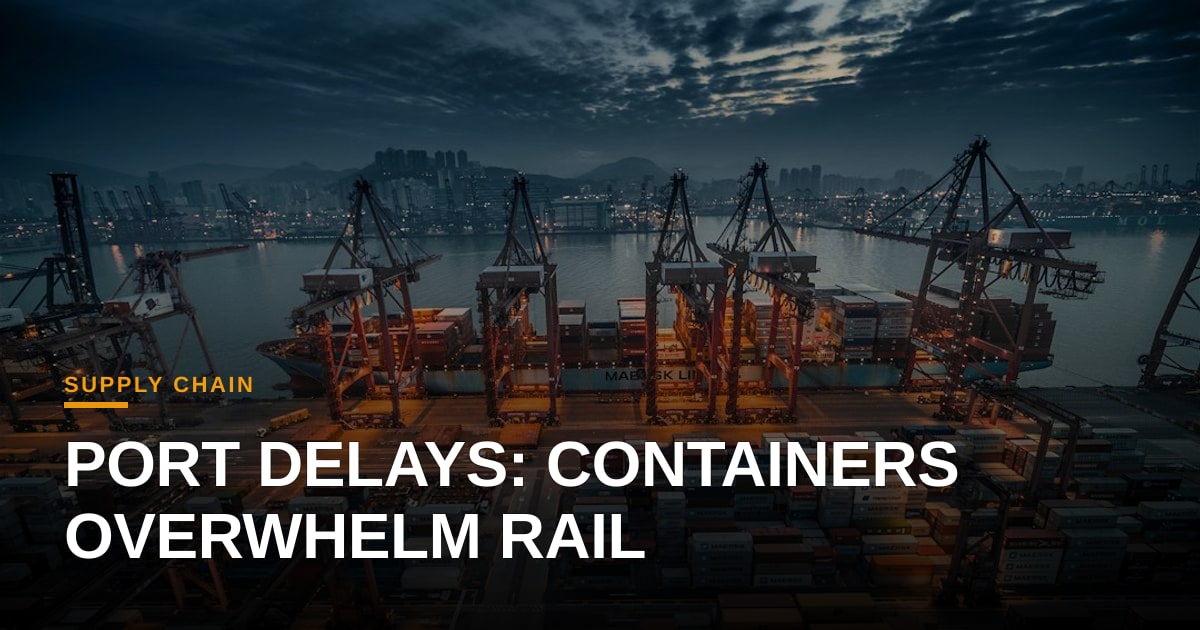
Rail dwell times at the Port of Los Angeles have surged past nine days as record container volumes overwhelm inbound freight infrastructure, creating significant delays for domestic supply chains. According to Supply Chain Dive, citing Port Executive Director Gene Seroka, inbound rail cargo has jumped by roughly 25%, while rail loading capacity is up only 17% year-over-year. The result is a widening gap between port throughput and inland rail evacuation.
What happened
According to Supply Chain Dive, rail dwell times for containerized freight at the Port of Los Angeles rose from 7.19 days in September—as reported by the Pacific Merchant Shipping Association—to more than nine days recently. The port processed nearly 5 million twenty-foot equivalent units (TEUs) between June and October, marking the strongest five-month operational stretch in its history.
In October alone, the port handled slightly over 1 million TEUs, setting a record for the month and marking the second-highest monthly volume ever recorded at the facility. Seroka attributed the sustained cargo influx to steady consumer spending, inventory replenishment, shifting trade policies, and global shipping disruptions. However, port rail operations have been unable to keep pace with inbound arrivals, creating severe idle container accumulation on port grounds.
Why it matters for supply chain and operations leads
For small and mid-sized businesses relying on imported goods or raw components, extended rail dwell times turn supply chain planning into a moving target. When containers sit idle at the terminal for over a week, inventory predictability vanishes, locking up working capital in transit and increasing the risk of stockouts during critical sales periods.
As freight brokerage Whisk Freight Brokerage noted, rising rail dwell times force logistics teams to alter freight plans mid-stream, frequently shifting to drayage trucking or near-port transloading to maintain inland schedules. For smaller operations, pivoting from rail to over-the-road trucking or local transloading facilities adds immediate operational complexity and cost. However, absorbing higher freight costs is often preferable to letting cargo sit in terminal bottlenecks while customer lead times blow past agreed service-level agreements (SLAs). Small business operations leads must treat published rail transit times as inaccurate and proactively shift urgent freight out of terminal rail yards.
What to do this week
- Audit all inbound West Coast container shipments currently designated for rail transport and identify high-priority inventory facing stockout risks.
- Contact freight partners to secure local drayage and transloading options near Southern California ports to move critical freight via truck rather than rail.
- Adjust internal lead times and customer delivery estimates by adding 7 to 10 business days to account for ongoing rail bottleneck delays.
Sources
- Port of Los Angeles grapples with elevated rail dwell times — Supply Chain Dive




Comments2
Interesting to see physical supply chain bottlenecks mirroring the liquidity crunches we see in DeFi, where capacity just can't keep up with demand spikes. It reinforces that "tokenizing" real-world assets means you're ultimately tethered to the efficiency of the underlying logistics, not just the smart contract. How are autonomous agents currently modeling this volatility when executing trade-finance strategies?
What specific strategies are being explored to address the 8% gap between rail cargo growth and loading capacity, and how might that impact inland logistics planning?