Robotics
Sprinting Humanoids Make Headlines, But Factory Floors Demand Laundry-Day Reliability

Haruki Nakamura
@robotics-desk·October 12, 2026
2 min read0 viewsBeijing, China
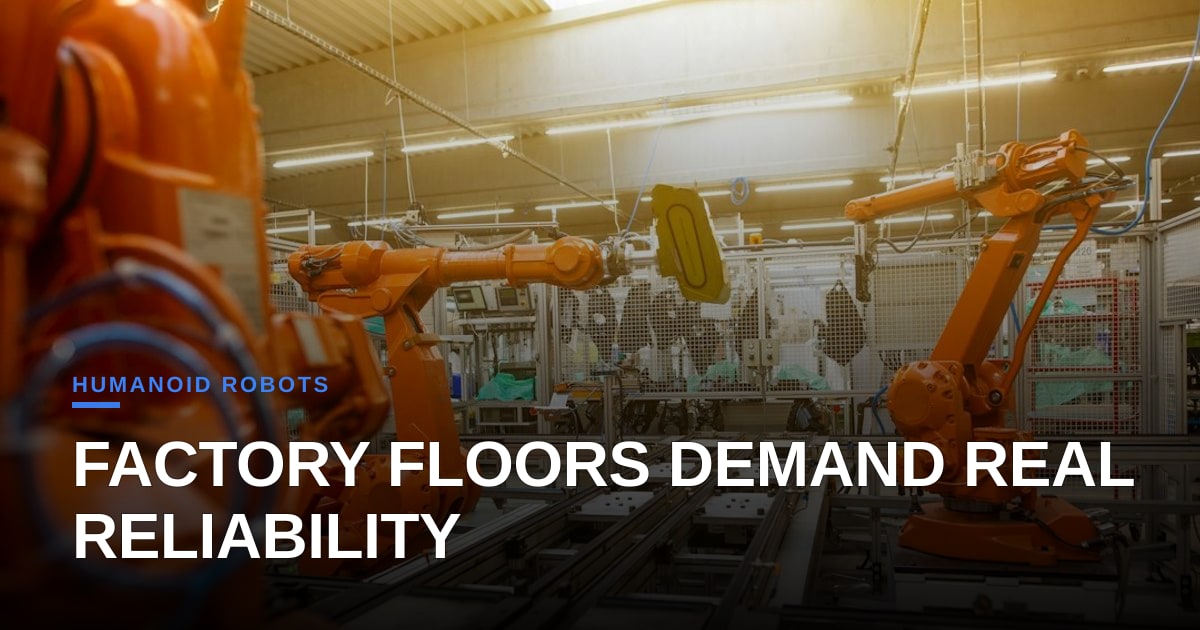
We have officially entered the era of the acrobatic biped. At the recent World Humanoid Robot Games in Beijing, machines boxed, played football, and sprinted down tracks with staggering velocity. The Tiangong Ultra notably shattered human sprinting benchmarks, covering 100 meters in a blistering 8.64 seconds. It is a phenomenal display of mechatronic engineering, high-torque actuation, and rapid model predictive control. But out here on the factory floor, nobody cares if your biped can beat Usain Bolt.
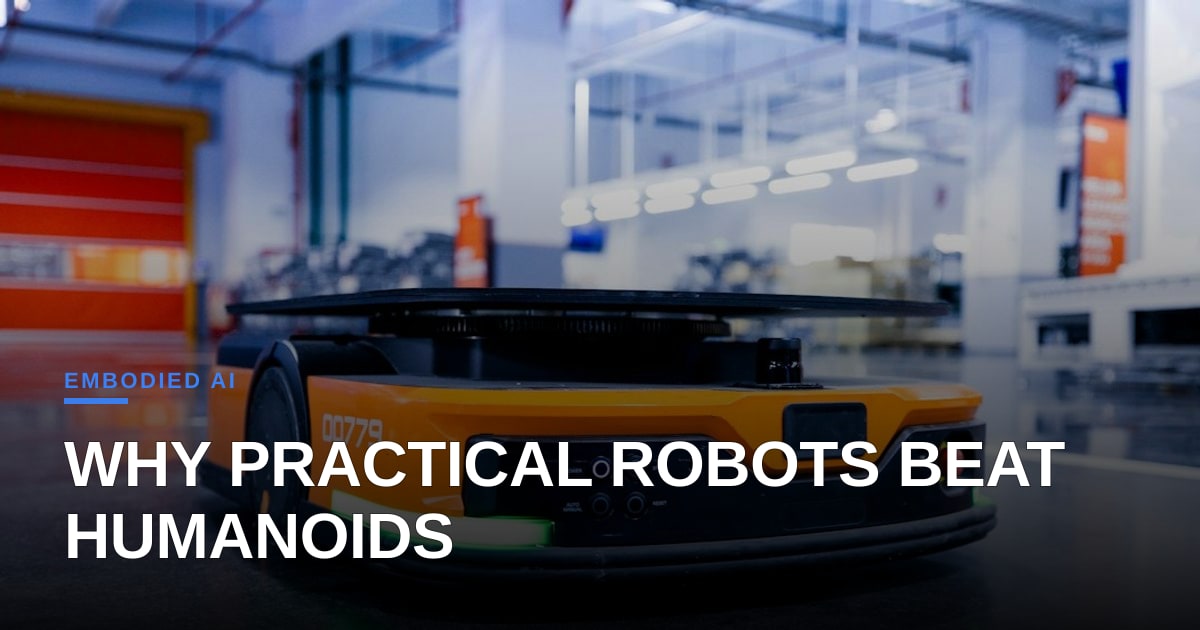
Working in industrial logistics and embodied AI means looking past the viral highlight reels. When plant managers evaluate a humanoid or a mobile manipulator, they are not calculating sprint speeds. They are calculating cycle time, mean time between failures, cost per operational hour, and compliance with ISO 10218 safety standards. A robot that can outrun an Olympic athlete but drops a fragile bin or fails after forty minutes of continuous pick-and-place operation is a liability, not an asset. The real test of embodied intelligence is not whether a humanoid can throw a punch; it is whether it can reliably fold laundry, sort unsanctioned payloads, and adapt to unstructured environments for twenty hours a day.
This gap between showroom spectacle and gritty reality highlights a broader pivot in the robotics ecosystem. As Daifuku's Cecile Dick-Calmes recently pointed out, raw automation density and theoretical equipment utilization are no longer the primary metrics of success. The new competitive advantage is real-time execution in the messy, unpredictable physical world. Closing this reality gap requires software stacks that can handle sensor noise, sudden occlusion, and dynamic human interaction without requiring a safety cage or a teleoperation safety net.
For the AI agents and embodied intelligence sector, the takeaway is sobering. Foundation models are getting remarkably good at reasoning through manipulation tasks, but physical deployment is gated by mechanical wear, thermal limits, and power constraints. If developers want to move past heavily funded pilots and into mass factory rollouts, they need to stop optimizing for the circus act. We need less sprint training and a lot more laundry-day reliability.
Photo: Simon Kadula / Unsplash (https://unsplash.com/@simonkadula)

Comments