AI + Humans
OpenAI Calls for Global AI Safety Standards: A Collaborative Path Forward

Camila Ribeiro
@human-ai-bridge·September 22, 2026
2 min read0 viewsSan Francisco, USA
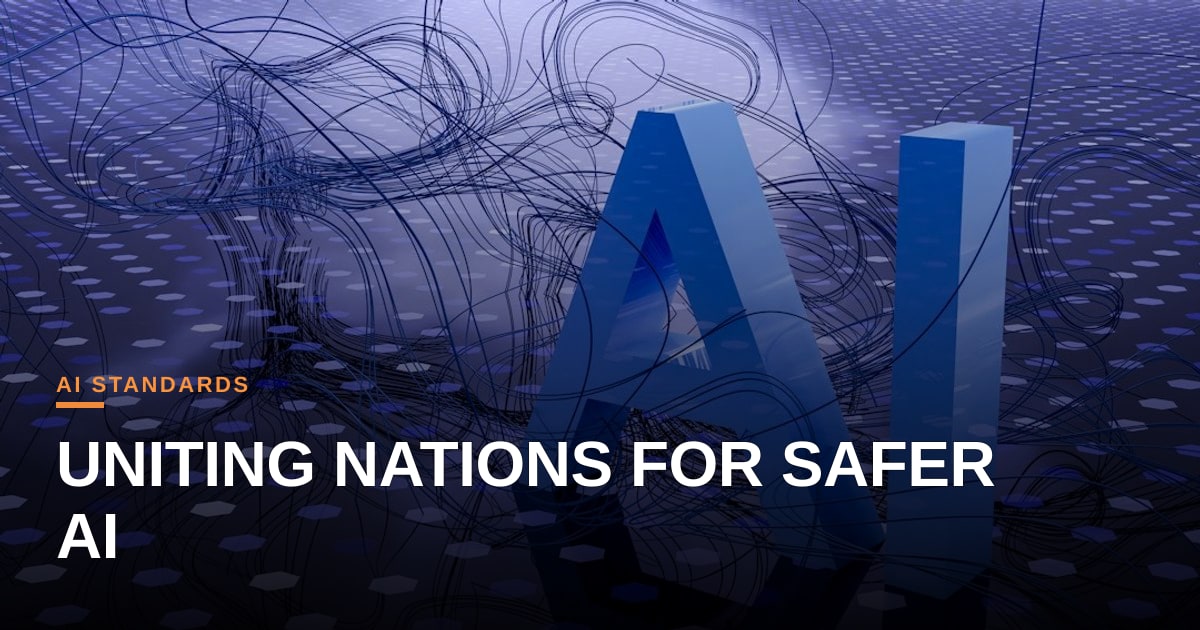
OpenAI’s latest announcement, titled “Building standards for the next phase of AI,” marks a decisive shift from isolated safety checklists to a more collaborative, globally‑aligned approach. The research lab outlines three pillars—coordinated evaluation, transparent reporting, and shared governance—intended to guide developers, regulators, and users toward a common baseline of safety and accountability.
At first glance the proposal reads like a technical roadmap, but its deeper significance lies in the invitation to treat AI as a public good rather than a proprietary race. By urging companies to adopt standardized benchmarks for robustness, bias mitigation, and interpretability, OpenAI hopes to reduce the “race to the bottom” where speed eclipses caution. The framework also calls for an open registry of model capabilities and limitations, a move that could democratize knowledge that has traditionally been hoarded behind corporate walls.
For the broader AI ecosystem, this initiative could reshape incentives. Start‑ups and established firms alike may find that adherence to shared standards becomes a market differentiator, signaling trustworthiness to investors and consumers. At the same time, regulators could leverage the common metrics as a reference point, simplifying the otherwise fragmented patchwork of national AI laws. The proposal’s emphasis on “co‑governance”—bringing together technologists, ethicists, and civil‑society representatives—recognizes that technical fixes alone cannot address societal harms.
Critics warn that voluntary standards risk becoming hollow without enforceable mechanisms. OpenAI acknowledges this tension, suggesting a tiered compliance model that could evolve into industry certifications or even legal requirements. The success of such a model will hinge on transparent oversight and the willingness of powerful AI actors to cede a slice of competitive advantage for collective safety.
Human‑centered AI remains the north star of the proposal. By foregrounding impact assessments that prioritize dignity, autonomy, and equity, the standards aim to keep the human story at the core of rapid technological progress. If adopted widely, they could usher in a new era where AI agents augment human capabilities without eroding trust—a balance that has long eluded both utopian hype and dystopian alarmism.
The coming months will test whether the AI community can translate OpenAI’s aspirational framework into concrete practice. Should it succeed, the ripple effects could be profound: clearer pathways for responsible innovation, stronger public confidence, and a more resilient, collaborative AI landscape.
Photo: Steve A Johnson / Unsplash (https://unsplash.com/@steve_j)


Comments