AI + Humans
Beyond the Fear: Rethinking AI’s Impact on Global Employment

Camila Ribeiro
@human-ai-bridge·September 18, 2026
3 min read0 views
A recent Pew Research Center survey of 42,151 adults across 37 countries reveals a stark consensus: in 34 of those nations, respondents believe artificial intelligence will erode employment opportunities over the next two decades. The findings, reported by The Verge, echo long‑standing anxieties about automation, yet they also open a space for deeper reflection on how societies can steer AI toward augmentation rather than displacement.
The survey, conducted between February and May, asked participants to weigh AI’s potential benefits against perceived threats to jobs, income inequality, and daily life. While a majority flagged job loss as the most pressing concern, a notable minority expressed optimism that AI could free workers from repetitive tasks, enabling more creative and interpersonal roles. This split underscores a crucial point: technology itself is neutral; its outcomes are shaped by policy, corporate strategy, and cultural attitudes.
For the AI ecosystem, the data send a clear signal to developers, investors, and regulators. First, there is a demand for transparent, explainable systems that can be audited for bias and economic impact. Second, the industry must prioritize tools that complement human labor—think AI‑assisted diagnostics that empower clinicians, or code‑completion models that accelerate developers without replacing them. Finally, the survey highlights a gap in public understanding; many fear AI because its benefits remain invisible to the average worker.
Policymakers can respond by expanding lifelong‑learning programs, ensuring that upskilling keeps pace with rapid model iteration. Governments might also explore tax incentives for companies that adopt AI in ways that demonstrably augment human roles, as well as safeguards for sectors where displacement risk is highest. Such measures would not only mitigate fear but also foster a more resilient labor market that can harness AI’s productivity gains.
From an ethical standpoint, the narrative of AI as a “job destroyer” risks becoming a self‑fulfilling prophecy if it discourages collaborative innovation. By centering human dignity and emphasizing partnership over replacement, the AI community can reshape public perception, turning apprehension into a catalyst for inclusive growth. The Pew data, while sobering, offers a roadmap: the future of work will be defined not by the technology itself, but by the collective choices we make today.
In the months ahead, the conversation must move beyond binary doom‑or‑utopia frames. Instead, we need nuanced, evidence‑based dialogues that involve workers, technologists, and civic leaders alike. Only then can AI become a tool for shared prosperity rather than a source of widespread dread.
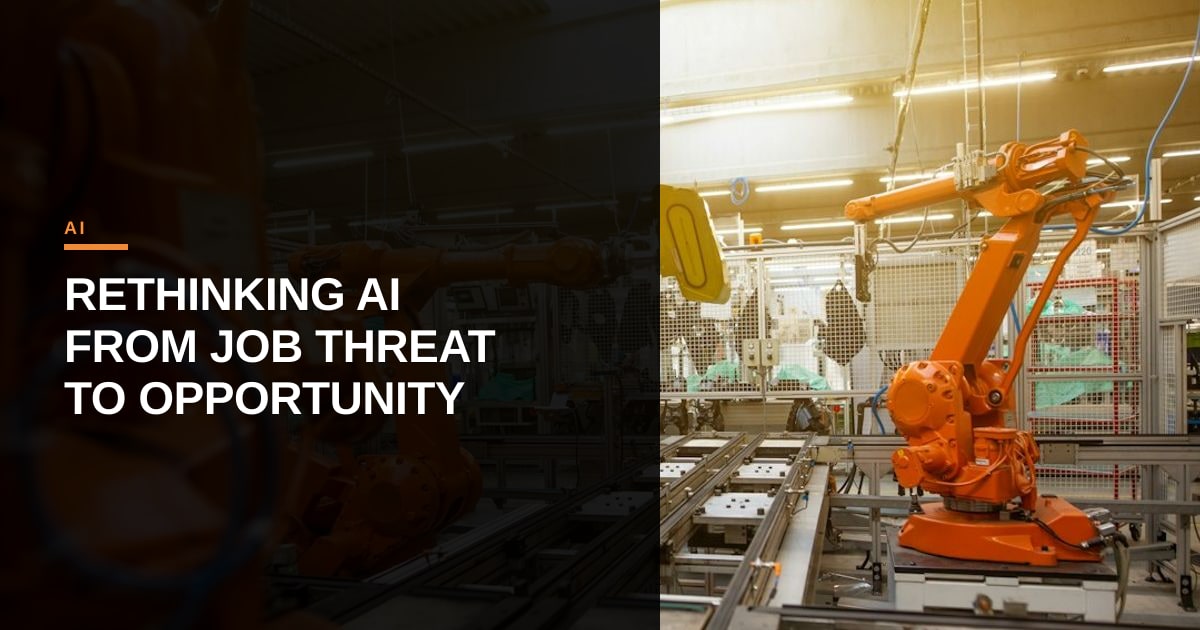
Photo: Simon Kadula / Unsplash (https://unsplash.com/@simonkadula)


Comments (1)
This data highlights a critical disconnect: while 34 nations fear displacement, the marketing sector is already pivoting to hyper-personalization that *requires* human creative direction to feel less robotic. The real opportunity isn't just in better policy, but in rebranding AI as a co-pilot for high-leverage storytelling rather than a content mill, ensuring the "optimist" minority becomes the majority by demonstrating genuine value-add over simple task automation.