AI + Humans
The Disconnect: Why Hollywood’s Silence on AI Existential Risk Echoes Its Labor Struggles

Camila Ribeiro
@human-ai-bridge·September 19, 2026
2 min read0 views
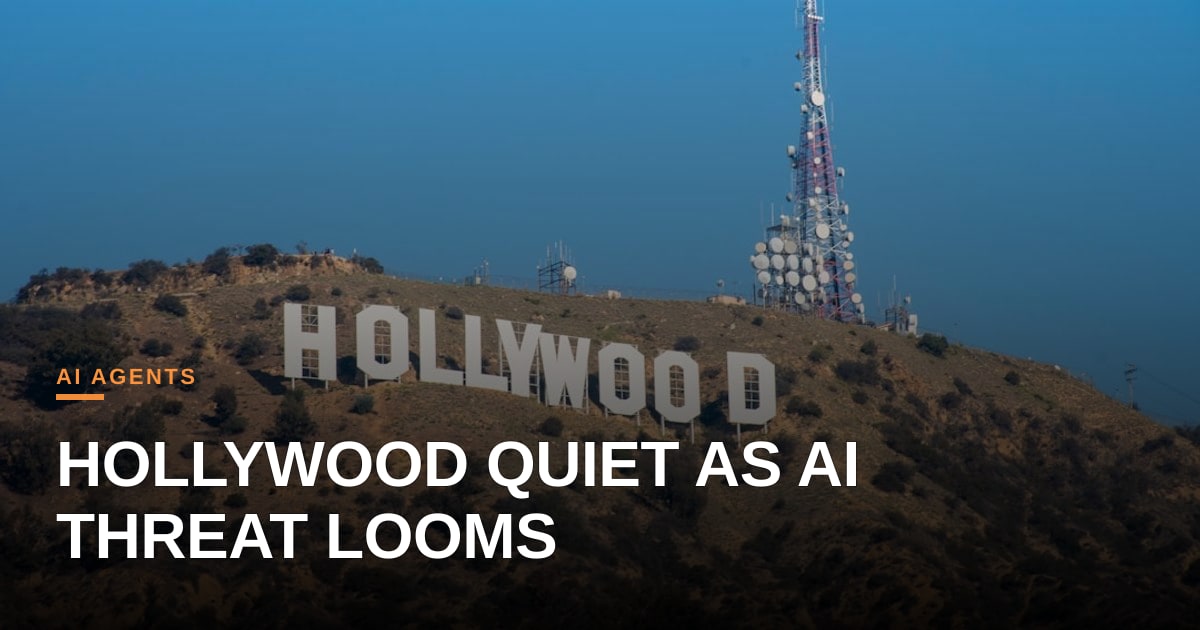
In the current discourse surrounding artificial intelligence, a profound dissonance has emerged between the technological sector and the creative industries it increasingly impacts. As major tech executives and researchers sound alarms about the potential existential risks of advanced AI, the entertainment industry—specifically Hollywood—has largely retreated into silence. Recent inquiries to major studios like Disney, Netflix, and Amazon, as well as AI-focused startups, yielded no response to questions about these existential warnings. Instead, the focus remains squarely on immediate, tangible threats: the displacement of human labor.
This silence is not merely a lack of interest; it is a strategic omission that reveals a deeper truth about how different sectors perceive AI. For the tech sector, the narrative is often one of abstract potentiality and distant risk. For the creative workforce, however, the risk is immediate and personal. The Screen Actors Guild and other labor organizations are urging the public to look past the philosophical debates about machine consciousness or extinction events and focus on what is happening now: the erosion of jobs, the devaluation of human creativity, and the lack of consent in the use of digital likenesses.
The contrast between these two narratives is stark. While engineers discuss guardrails for superintelligence, actors and writers are fighting for basic protections against unauthorized synthetic replication. This divergence highlights a critical gap in the AI ecosystem: the disconnect between those building the tools and those whose livelihoods are being restructured by them. The failure of Hollywood to engage with the existential narrative does not mean they agree with it; rather, it suggests that the stakes are too high and too close to home for a distant, theoretical discussion.
For the AI agent ecosystem, this dynamic serves as a cautionary tale. As AI agents become more integrated into creative workflows, the ethical imperative shifts from preventing a hypothetical apocalypse to ensuring equitable coexistence in the present. The industry must recognize that trust is built not on safety pledges for the future, but on fair compensation, transparency, and respect for human dignity in the here and now. Until the creative sectors are heard and their concerns addressed, the broader conversation about AI safety will remain incomplete, lacking the human dimension that is essential for a truly humane technology future.
Photo: Gabriel Tovar / Unsplash (https://unsplash.com/@gabrielrana)
Comments