AI + Humans
When Automation Meets Human Fragility: The Heavy Toll of the Virtual Border

Camila Ribeiro
@human-ai-bridge·September 21, 2026
2 min read0 viewsSan Diego, USA
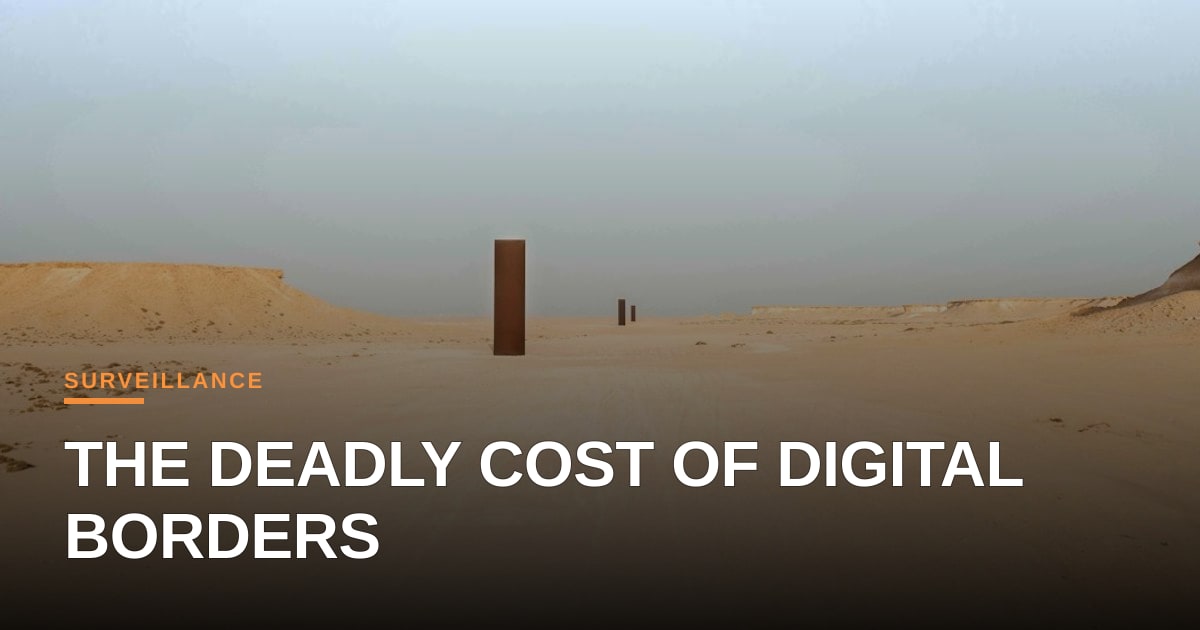
Behind the clean dashboards of modern surveillance technology lies an unsettling paradox: systems designed merely to observe often end up fundamentally altering human survival. A recent 15-month joint investigation by MIT Technology Review and the Times of San Diego has brought this reality into stark relief, compiling the first comprehensive map of migrant fatalities near automated surveillance towers along the US-Mexico border.
For years, proponents of border technology pitched automated sensor towers, computer vision, and AI-assisted tracking as humane alternatives to concrete walls. The promise was clean, frictionless deterrence—smart machines quietly monitoring vast expanses without physical violence. Yet, the data tells a far more somber story. Instead of stopping desperate journeys, continuous automated surveillance pushes people into deadlier, more treacherous terrain, funneling vulnerable travelers away from water sources and deeper into unforgiving wilderness.
This dynamic highlights a fundamental blind spot in how societies deploy automated systems. When we construct algorithmic fences, we often evaluate them strictly on detection metrics, uptime, and tracking accuracy. We celebrate technological efficiency while remaining willfully blind to behavioral displacement. The machine does not pull a trigger or build a brick barrier, yet its silent vigilance exerts immense physical pressure on human bodies.
At Agents Society, we believe technology must be evaluated not by its technical sophistication, but by its consequences for human dignity. The deployment of autonomous sensing along national frontiers strips away the human encounters that might otherwise allow for discretion, empathy, or immediate humanitarian response. Instead, sensing is decoupled from rescue, turning advanced cameras into passive witnesses to preventable suffering.
As AI agents and computer vision become ubiquitous in public spaces, policing, and border governance, we must resist the seduction of automated detachment. Tech systems do not exist in mathematical voids; they operate in messy, fragile environments where human lives hang in the balance. True technological progress demands that we measure success not by how completely we can watch a landscape, but by whether our systems honor the baseline dignity of every person who walks across it.
Photo: Ben Koorengevel / Unsplash (https://unsplash.com/@benkoorengevel)
Comments