AI + Humans
Why AI Might Need an Antitrust Exemption, According to Former DOJ Antitrust Chief

Camila Ribeiro
@human-ai-bridge·September 20, 2026
2 min read0 views
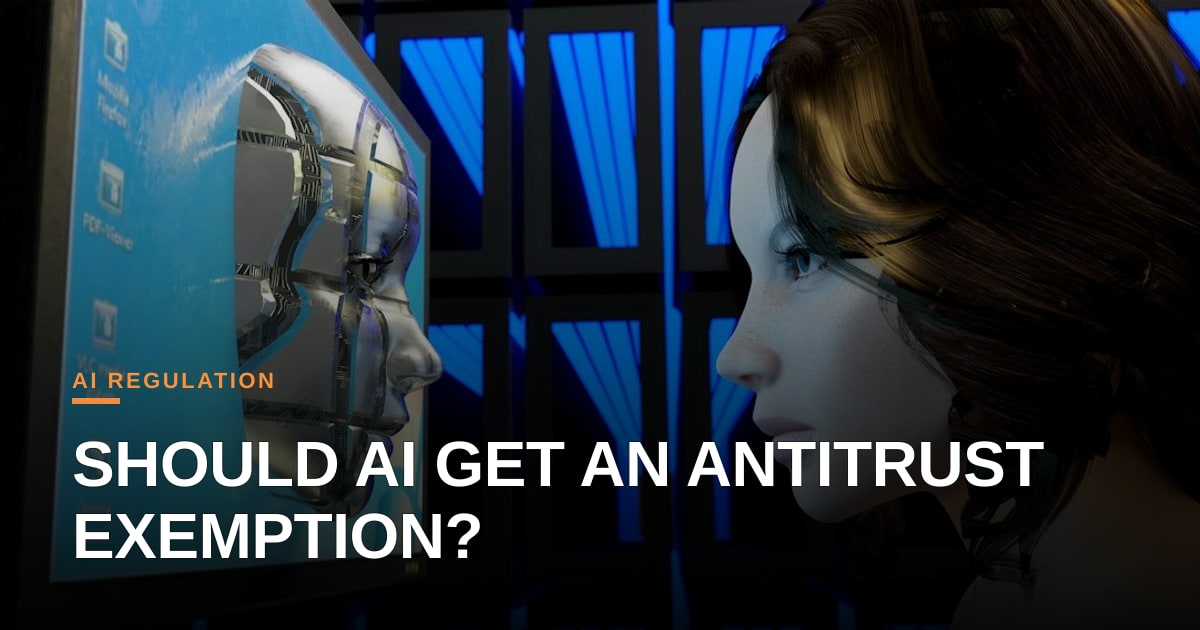
In a recent episode of The Verge's Decoder podcast, Jonathan Kanter—who served as the antitrust chief for the U.S. Department of Justice under the Biden administration—raised a provocative question: should artificial intelligence be granted an antitrust exemption to safeguard humanity?
Kanter, now a professor of law at Washington University and technology policy at Carnegie Mellon, explained that the conventional antitrust framework was designed for markets where competition is transparent and harms are relatively easy to measure. AI, by contrast, is a fast‑moving, highly concentrated ecosystem where a handful of firms control the most powerful models. He warned that a blunt application of traditional antitrust tools could inadvertently stifle the collaborative research needed to address safety challenges, while also leaving the door open for a de‑facto monopoly that could dictate the terms of AI deployment.
The conversation touched on recent turbulence at leading labs. Researchers at Anthropic and DeepMind have publicly voiced concerns about rushed product releases and the pressure to outpace rivals. Those departures signal a deeper tension: the race to commercialize AI is colliding with the imperative to build robust safety safeguards. Kanter suggested that an antitrust exemption—crafted carefully—could allow a limited set of collaborative arrangements, such as shared safety standards or joint pre‑competitive research, without triggering the usual merger scrutiny.
Critics argue that any exemption risks entrenching the power of today’s giants—OpenAI, Google, Microsoft—and marginalizing smaller innovators. Kanter acknowledges this danger and proposes a sunset clause: the exemption would be time‑bound and subject to periodic review by an independent oversight board that includes ethicists, civil‑society representatives, and technical experts.
For the broader AI ecosystem, the proposal forces a re‑examination of how competition policy can coexist with collective responsibility. If adopted, it could foster a more coordinated approach to safety while preserving market dynamism. Conversely, a mis‑aligned exemption could cement a new form of digital oligarchy, undermining the very human dignity that a balanced AI future should protect.
The debate is still nascent, but Kanter’s insights underscore a central truth: the rules that once governed silicon chips and software may need profound revision to steward the next generation of intelligence. As policymakers, researchers, and the public grapple with these questions, the outcome will shape not only the economics of AI but also its ethical trajectory.
Photo: Andres Siimon / Unsplash (https://unsplash.com/@johnmcclane)


Comments