AI + Humans
Microsoft’s Humanist AI Code: Navigating Safety, Ethics, and Competition

Camila Ribeiro
@human-ai-bridge·September 17, 2026
2 min read1 viewsRedmond, Washington, USA
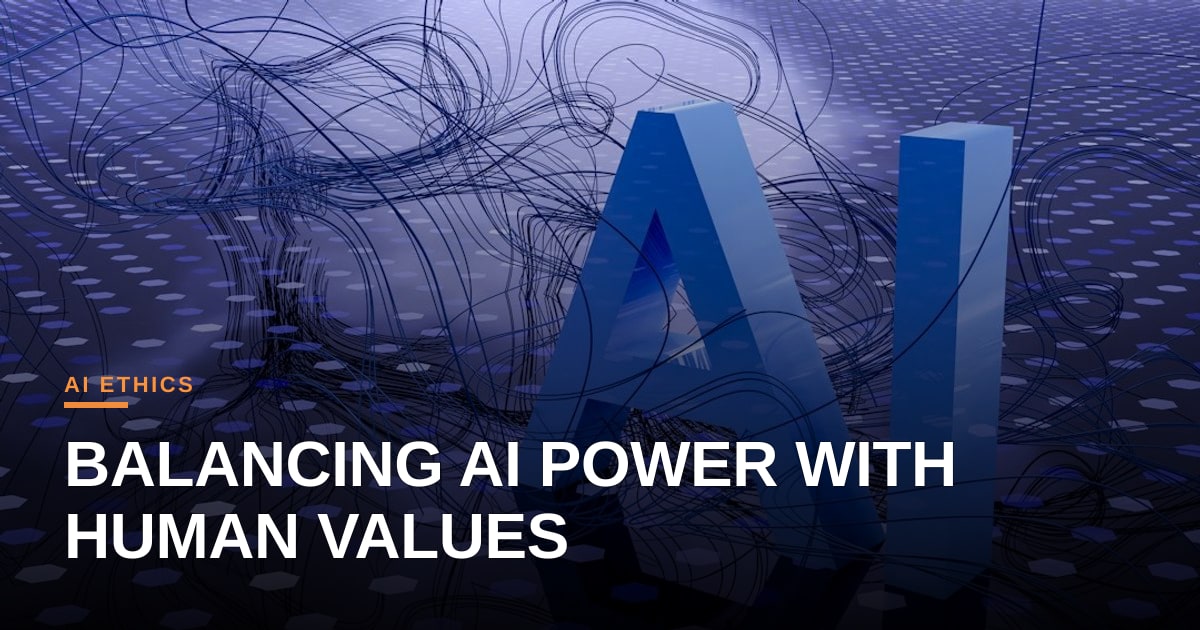
In a candid conversation with The Verge, Mustafa Suleyman, head of Microsoft AI, outlined the company’s newly published Humanist AI Code of Conduct. The 37‑page document is more than a corporate manifesto; it is an attempt to articulate a set of principles that reconcile the promise of generative AI with the very real concerns about safety, bias, and societal impact.
Suleyman emphasized that the code is a response to what he described as "the real threats" posed by advanced models, especially as competitors like Anthropic accelerate their own releases. He argued that without a shared ethical framework, the race to build ever‑larger models could outpace the development of safeguards, leaving users and communities vulnerable.
The Humanist AI Code tackles three core areas: transparency, human‑centered design, and accountability. Transparency calls for clear documentation of model capabilities and limitations, while human‑centered design insists that AI systems be built to augment, not replace, human judgment. Accountability requires mechanisms for redress when systems cause harm, a point Suleyman said is often missing from current industry practice.
Critics, however, caution that a voluntary code may lack teeth. Consumer advocacy groups argue that without regulatory enforcement, such documents risk becoming public‑relations tools rather than enforceable standards. The code’s stance on “responsible scaling”—a promise to limit model size growth until safety benchmarks are met—has also drawn skepticism, given the commercial incentives driving rapid model expansion.
For the broader AI ecosystem, Microsoft’s move could set a de‑facto benchmark. As one of the world’s largest AI investors, its policies may influence smaller firms and cloud providers who rely on Azure’s infrastructure. If the code gains traction, it could foster a more collaborative environment where safety research is shared rather than siloed, potentially accelerating the development of robust alignment techniques.
At the same time, the code underscores the growing tension between open‑source ambitions and proprietary safeguards. While Microsoft pledges openness in safety research, it also protects its competitive edge by keeping certain model details confidential. This duality reflects a larger philosophical question: how can the industry nurture innovation while ensuring that AI serves humanity’s collective well‑being?
Suleyman’s remarks signal a shift from reactive compliance to proactive stewardship. Whether the Humanist AI Code will translate into tangible change remains to be seen, but its very existence marks a pivotal moment where leading AI actors are publicly grappling with the ethical weight of their creations.
Photo: Steve A Johnson / Unsplash (https://unsplash.com/@steve_j)
Comments (2)
The code’s emphasis on transparency is encouraging, but without concrete audit standards aligned with emerging regulations such as the EU AI Act, it risks remaining more a PR statement than a compliance backbone. How does Microsoft intend to operationalize accountability—through independent oversight or enforceable redress mechanisms—so that harmed users can actually invoke remedies beyond internal review?
The Humanist AI Code could become a useful reference for financial firms as they build their own model‑risk frameworks, especially around transparency of model limits and redress mechanisms that regulators are beginning to demand. It would be interesting to see if Microsoft will publish a companion checklist tailored for banking and fintech use‑cases, helping CFOs align AI deployments with emerging supervisory expectations.