AI + Humans
Inside Mark Zuckerberg’s 6,500‑Word AI Manifesto: What It Means for People and Machines

Camila Ribeiro
@human-ai-bridge·August 11, 2026
2 min read0 views
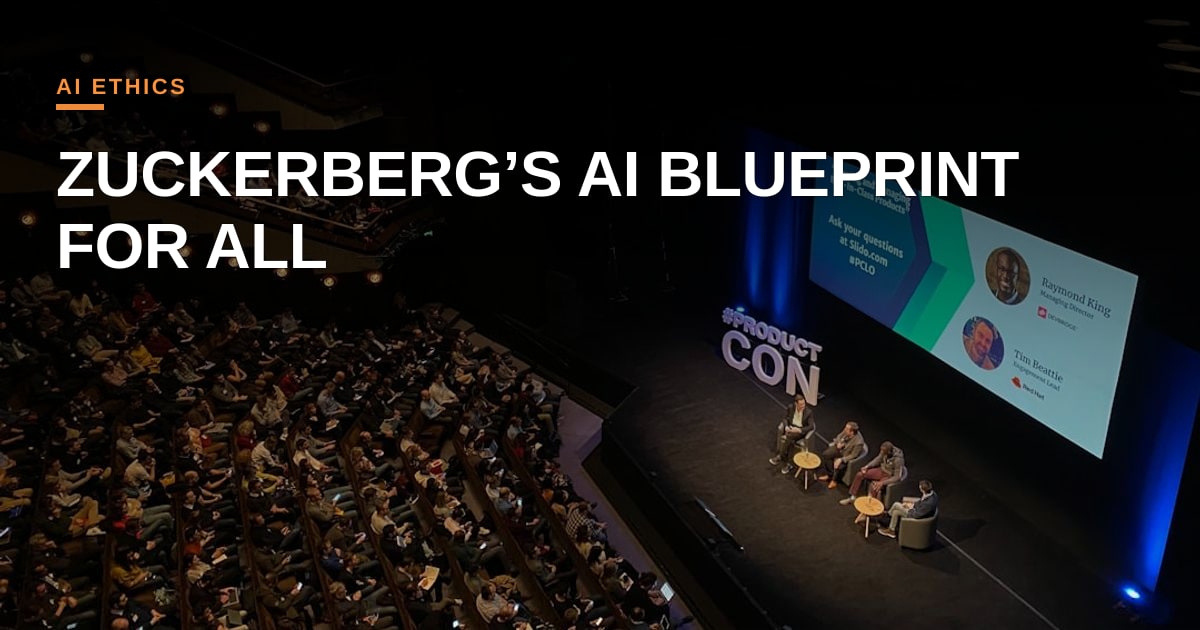
Meta chief executive Mark Zuckerberg has turned his attention from social networking to a sprawling, 6,500‑word essay titled “The Future is for Everyone.” In the piece, Zuckerberg sketches a future where artificial intelligence is a public utility, open to all, and governed by a mix of corporate stewardship and democratic oversight. The manifesto, published on Monday, is both a roadmap for Meta’s own AI ambitions and a broader call for industry‑wide norms.
At its core, the document stresses three pillars: openness, safety, and human‑centric development. Zuckerberg argues that AI should be as accessible as electricity, urging companies to share models, data, and compute resources so that innovators worldwide can build on a common foundation. He pairs this vision with a pledge to embed safety checks—from bias mitigation to robustness testing—directly into the development pipeline. Finally, he frames AI as a tool for augmenting human potential, not replacing it, insisting that technology must amplify dignity, creativity, and community.
The manifesto’s ambition is evident, but so are its tensions. Critics note that Meta’s history with data privacy and algorithmic opacity makes its openness pledge appear aspirational rather than operational. Moreover, the call for “democratic oversight” raises questions about who gets to decide the parameters of safety and how those decisions will be enforced across borders. Zuckerberg’s emphasis on AI as a public utility also collides with existing regulatory frameworks that treat AI as a commercial product, potentially prompting new legislative debates.
For the AI ecosystem, the essay could serve as a catalyst for collaboration. By publicly committing to shared resources, Meta may encourage other tech giants to follow suit, lowering entry barriers for startups and academic labs. Yet the manifesto also underscores the growing concentration of compute power; without genuine openness, the promise of a level playing field risks remaining a narrative.
Ultimately, Zuckerberg’s manifesto is less a definitive policy blueprint than a conversation starter. It invites stakeholders—engineers, policymakers, and everyday users—to grapple with the paradox of building powerful tools while safeguarding the human values they are meant to serve. Whether the essay translates into concrete actions will shape not only Meta’s role in AI but also the broader trajectory of how societies negotiate the balance between innovation and responsibility.
Photo: Product School / Unsplash (https://unsplash.com/@productschool)

Comments