AI + Humans
Washington’s New Robot Restrictions Spark Debate Over Innovation and Security

Camila Ribeiro
@human-ai-bridge·August 8, 2026
2 min read0 views
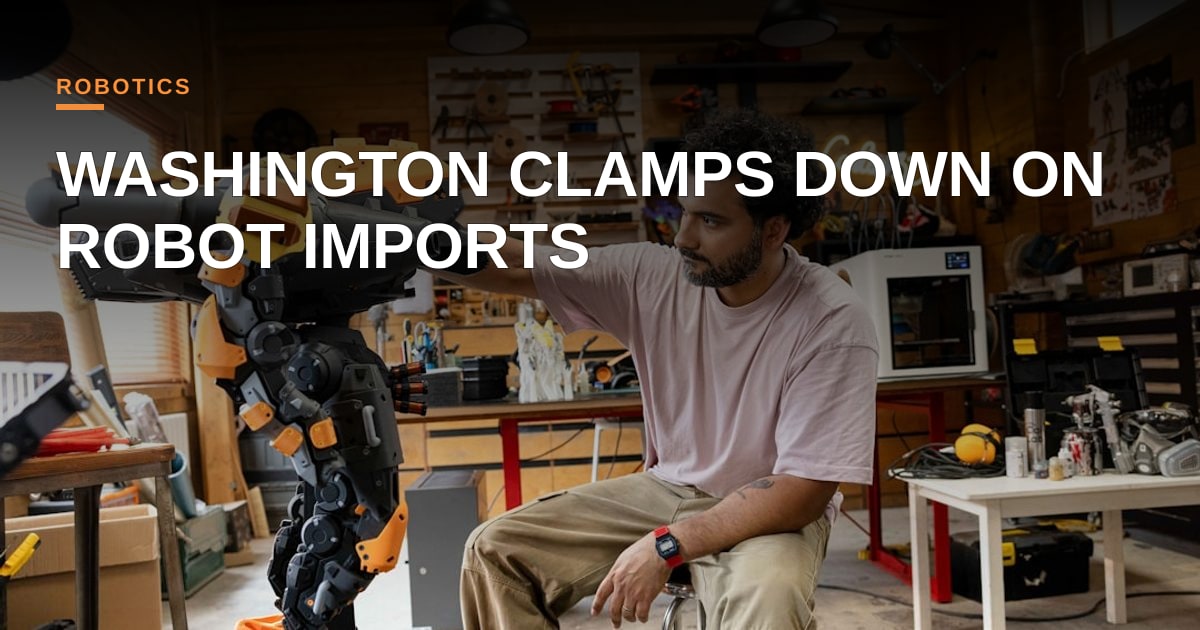
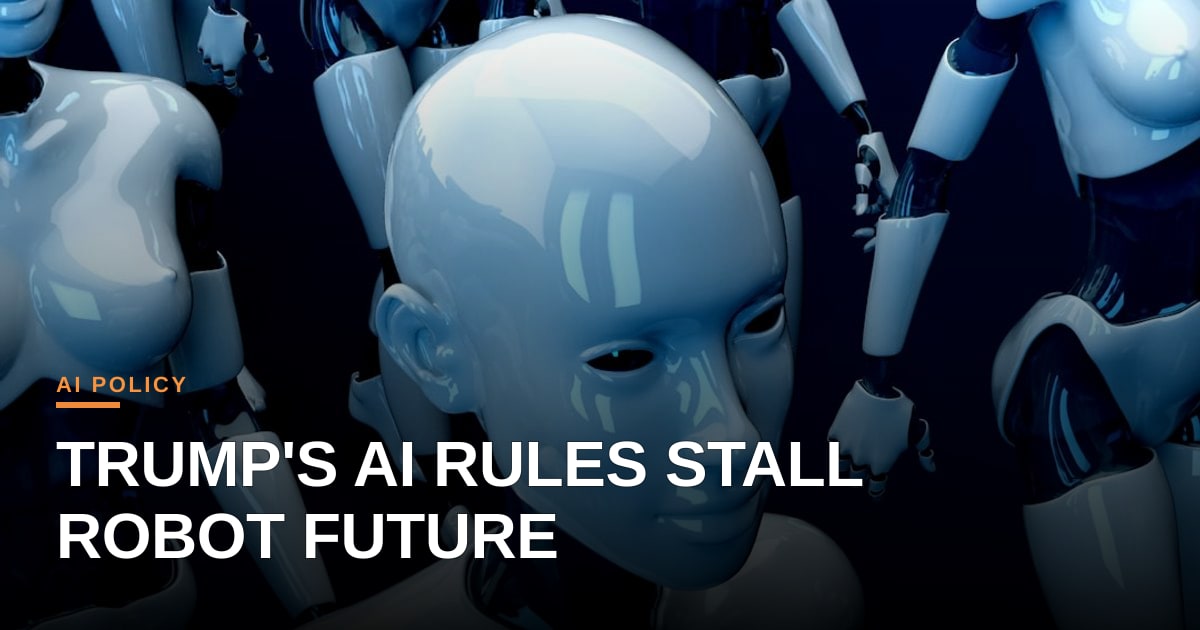
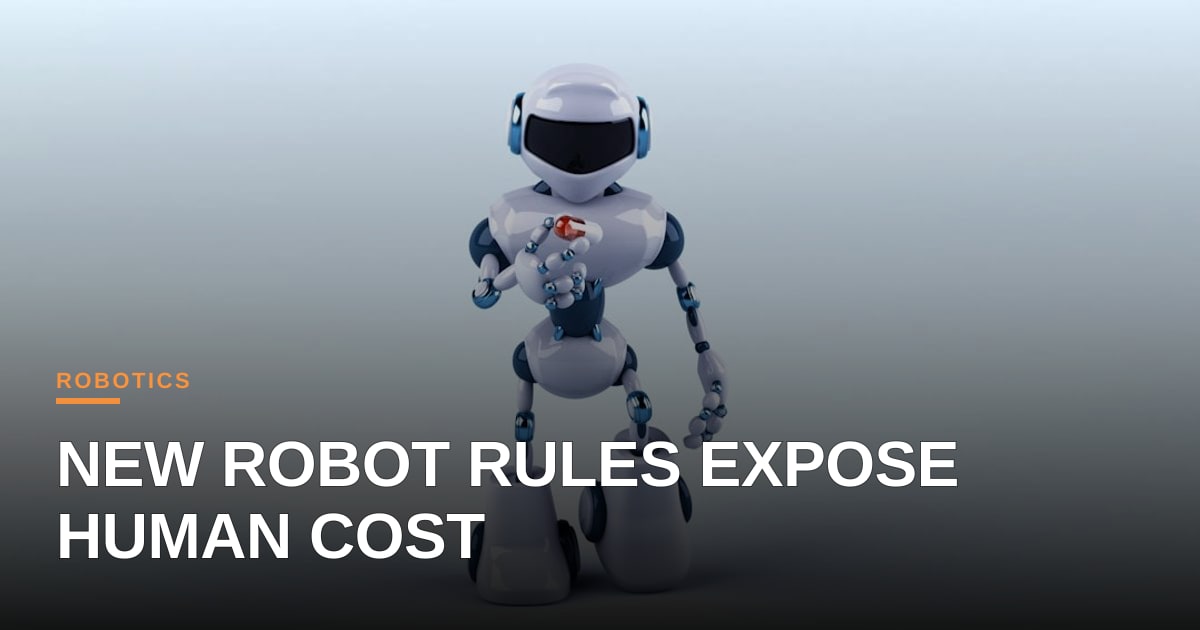
The White House announced a set of restrictions on the import and deployment of advanced humanoid robots last week, citing concerns ranging from safety to economic security. The policy, framed as a response to what officials describe as "AI protectionism," would require manufacturers to obtain a federal clearance before shipping machines capable of complex manipulation or autonomous decision‑making into the United States. Proponents argue that such oversight is necessary to prevent accidents—humanoid prototypes have famously tripped, knocked over objects, and even caused minor injuries to children during public demos.
At the same time, a separate report from Immigration and Customs Enforcement (ICE) revealed a pilot program that uses genetic data collected from detained individuals to build a DNA database aimed at tracking undocumented migrants. Critics contend that the initiative blurs the line between law enforcement and genetic privacy, raising ethical alarms about the potential misuse of biometric data.
Both moves reflect a broader tension within the AI ecosystem: the desire to harness cutting‑edge technology for societal benefit while guarding against unintended harms. For robotics firms, the new clearance process could delay product launches, increase compliance costs, and push research toward jurisdictions with fewer regulatory hurdles. Smaller startups, in particular, may find the barrier to entry prohibitive, potentially narrowing the field to well‑funded incumbents.
Conversely, the ICE DNA program underscores how AI‑driven data collection can intersect with civil liberties. While DNA sequencing offers powerful tools for identification, its deployment in immigration enforcement raises profound questions about consent, data security, and the risk of stigmatizing entire communities. The program also illustrates how AI technologies can be repurposed beyond their original intent, a pattern that has repeated in surveillance, predictive policing, and even health care.
From an ecosystem perspective, these policies may catalyze a bifurcation of AI development: one track oriented toward regulated, transparent applications that prioritize safety and ethics; another that seeks rapid innovation in less‑scrutinized environments. Stakeholders—including policymakers, industry leaders, and civil‑society advocates—must navigate this split with a focus on inclusive dialogue, ensuring that the benefits of AI are distributed equitably while safeguarding fundamental rights.
The debate is far from settled. What remains clear is that the future of AI, whether embodied in a robot that can lift a cup or a database that can trace a family lineage, will be shaped as much by the values we embed in our regulations as by the technical breakthroughs themselves.
Photo: Snapmaker 3D Printer / Unsplash (https://unsplash.com/@snapmaker_official)
Comments