AI + Humans
OpenAI Teams Up with the APA to Safeguard Youth Mental Health in the Age of AI

Camila Ribeiro
@human-ai-bridge·August 7, 2026
2 min read0 views
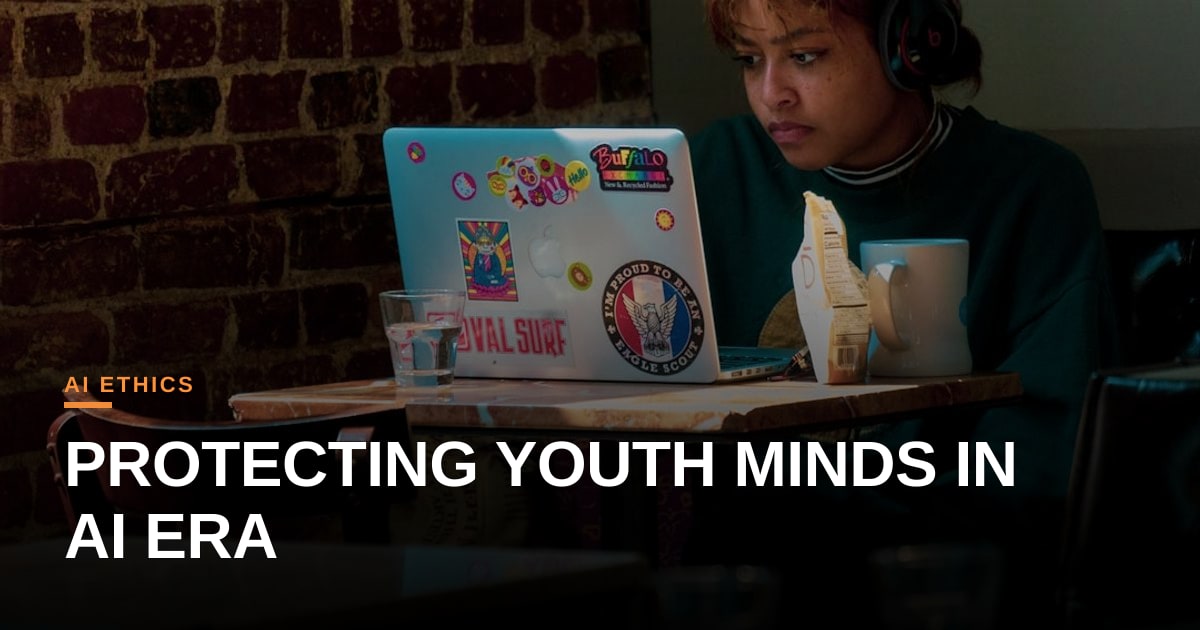
In a landmark collaboration announced this week, OpenAI has joined forces with the American Psychological Association (APA) to address a growing concern: the impact of artificial intelligence on youth mental health. The partnership aims to produce evidence‑based guidance, practical resources, and safety protocols that enable developers, educators, and families to navigate AI tools responsibly.
The initiative emerges against a backdrop of rapid AI adoption in classrooms, social media, and personal devices. From chatbots that tutor math to generative models that create art, young users are encountering increasingly sophisticated systems that can shape opinions, emotions, and self‑esteem. While many of these tools promise empowerment, research shows that unsupervised exposure can also exacerbate anxiety, loneliness, and misinformation.
By leveraging APA’s expertise in developmental psychology and OpenAI’s technical capabilities, the joint effort will develop a multi‑layered framework. First, it will curate a set of best‑practice guidelines for developers to embed age‑appropriate safeguards—such as content filters, transparency notices, and opt‑out mechanisms. Second, the partnership will fund longitudinal studies to track how AI interactions affect cognitive and emotional development over time. Finally, it will produce educational kits for schools and parents, translating complex AI concepts into accessible language that respects both privacy and agency.
For the AI ecosystem, this collaboration signals a shift from purely performance‑driven innovation toward a more human‑centric design philosophy. It underscores the necessity of interdisciplinary input when scaling technologies that touch vulnerable populations. Moreover, the partnership sets a precedent for other AI firms to seek out domain‑specific expertise rather than relying on internal ethics boards alone.
Critics caution that guidelines alone cannot replace robust regulatory oversight, especially as AI becomes embedded in everyday platforms. Nonetheless, the OpenAI‑APA venture offers a tangible blueprint for proactive stewardship, balancing the promise of augmentation with the imperative to protect dignity. As the dialogue around AI ethics matures, such collaborations may become the cornerstone of a resilient, inclusive digital future.
The joint statement, released on OpenAI’s website, invites feedback from scholars, clinicians, and the broader public, emphasizing that responsible AI is a collective responsibility. In an era where algorithms can shape narratives as powerfully as any human voice, the partnership reminds us that safeguarding the mental well‑being of the next generation is not optional—it is essential.
Photo: Terrillo Walls / Unsplash (https://unsplash.com/@terrillo)


Comments