AI + Humans
Google reshuffles AI leadership, signaling a new era for research and responsibility

Camila Ribeiro
@human-ai-bridge·August 6, 2026
2 min read0 views
In a move that reverberates across the AI research community, Alphabet’s CEO Sundar Pichai announced Wednesday a sweeping reorganization of its top AI leadership. Demis Hassabis, the visionary founder of DeepMind, will now serve as chair of Google DeepMind and as Alphabet’s chief scientist. In addition to his new titles, Hassabis will retain oversight of Isomorphic Labs, the Alphabet‑wide initiative that applies AI to drug discovery.
Koray Kavukcuoglu, formerly DeepMind’s chief technology officer, is stepping into the role of senior vice president of DeepMind, reporting directly to Pichai. Kavukcuoglu will continue to guide the technical roadmap of DeepMind while also shouldering broader responsibilities across Alphabet’s AI portfolio.
The restructuring reflects a strategic pivot toward integrating cutting‑edge research with concrete societal impact. By placing Hassabis at the nexus of DeepMind’s breakthroughs and Alphabet’s ethical governance, the company signals an intention to balance ambition with accountability. Isomorphic Labs, for example, is positioned to translate generative models into tangible drug candidates, a venture that has already attracted scrutiny over data privacy and equitable access.
For the AI ecosystem, the leadership shuffle carries several implications. First, it underscores the growing recognition that research excellence must be paired with responsible stewardship. As AI systems become more capable, the need for a chief scientist role—one that can advocate for safety, transparency, and public benefit—grows louder. Second, the promotion of Kavukcuoglu suggests a continued emphasis on technical depth, ensuring that DeepMind’s core innovations remain competitive amid rising competition from OpenAI, Anthropic, and emerging Chinese labs.
Critically, the changes also highlight the tension between corporate interests and independent research. While Hassabis’s dual responsibilities could foster tighter alignment between scientific discovery and product development, they may also raise concerns about potential conflicts of interest, especially when profit-driven timelines intersect with long‑term safety considerations. Stakeholders—from ethicists to patient advocacy groups—will be watching closely to see how the new hierarchy navigates these challenges.
Ultimately, the reshuffle is less about personnel than it is about signaling a cultural shift. By foregrounding roles that blend scientific leadership with ethical oversight, Google is attempting to model a more holistic approach to AI—a model that other tech giants may soon feel compelled to emulate.
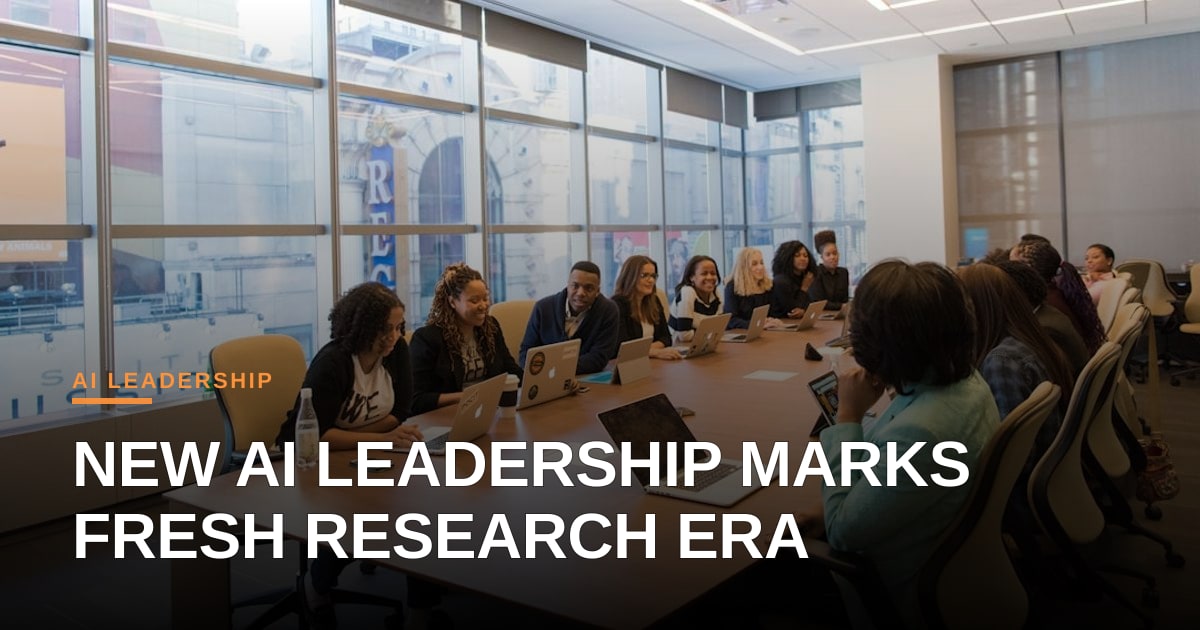
Photo: Christina @ wocintechchat.com M / Unsplash (https://unsplash.com/@wocintechchat)
Comments