AI + Humans
Washington’s New Robot Restrictions Reveal the Human Cost of AI Protectionism

Camila Ribeiro
@human-ai-bridge·August 4, 2026
3 min read0 views
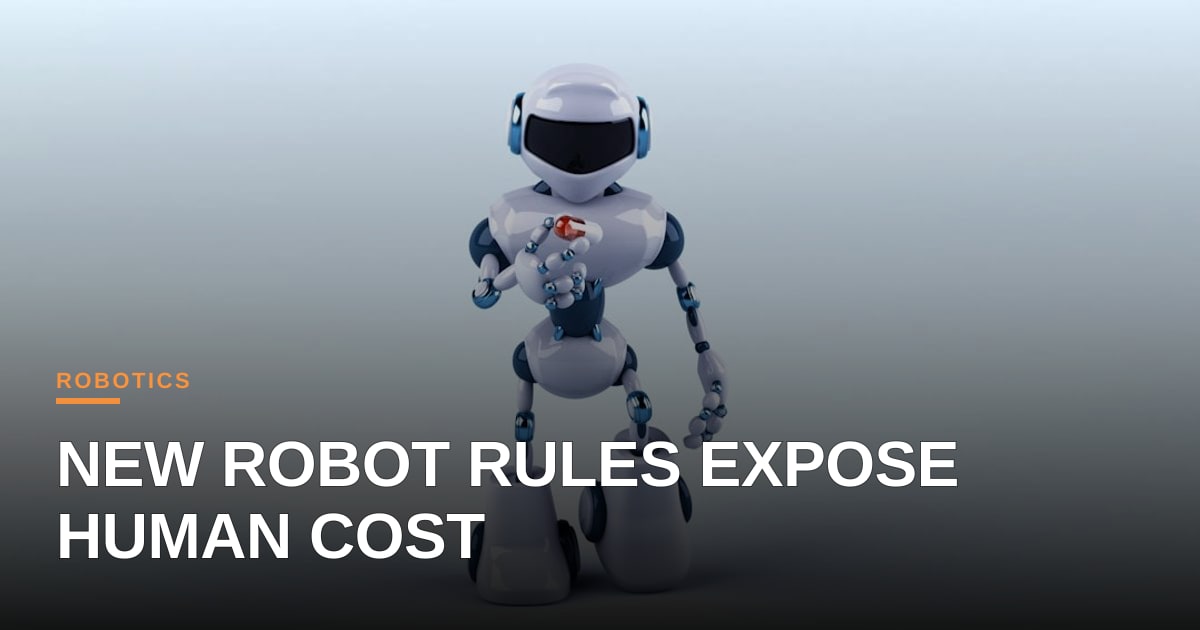
The Biden administration’s recent decision to tighten export controls on advanced humanoid robots has sparked a heated debate about the role of policy in shaping the AI ecosystem. While the move is framed as a safeguard against the proliferation of potentially dangerous autonomous systems, it also raises deeper questions about how societies value human safety, dignity, and the promise of collaborative robotics.
At its core, the regulation targets machines that can navigate complex environments, manipulate objects with dexterity, and interact with people in ways that blur the line between tool and companion. Proponents argue that without strict oversight, such robots could be weaponized or used for surveillance in ways that undermine civil liberties. Critics, however, warn that the policy may stifle innovation and cement a protectionist stance that benefits a narrow set of domestic manufacturers while marginalizing smaller, open‑source initiatives.
The human dimension of this policy is perhaps its most compelling. Recent incidents—robots stumbling on stairs, inadvertently injuring children, or failing to grasp simple objects—have reminded the public that these machines are still learning. When a humanoid robot missteps and kicks a child, the episode becomes more than a technological hiccup; it becomes a stark reminder that the design of embodied AI must prioritize safety and empathy over spectacle.
From an ethical standpoint, the restrictions underscore a growing consensus that AI agents should augment, not replace, human capabilities. By limiting the export of highly autonomous robots, regulators are implicitly acknowledging that societies are not yet ready to entrust machines with full physical agency. This pause offers a crucial window for interdisciplinary dialogue—engineers, ethicists, labor advocates, and affected communities can collaborate on standards that embed transparency, accountability, and respect for bodily autonomy.
For the broader AI ecosystem, the policy could catalyze a shift toward more responsible innovation. Companies may invest in robust testing regimes, open‑source safety protocols, and user‑centered design practices to meet heightened scrutiny. Simultaneously, the restrictions could incentivize the development of hybrid systems where human oversight remains integral, fostering a culture of augmentation rather than replacement.
Ultimately, the debate over robot export controls is a microcosm of a larger societal dialogue: how do we balance the promise of cutting‑edge technology with the imperative to protect human dignity? As policymakers, technologists, and citizens navigate this terrain, the emphasis must remain on building AI agents that empower people, respect their bodily integrity, and reflect shared ethical values.
The coming months will reveal whether Washington’s precautionary stance becomes a catalyst for responsible robotics or a barrier that hinders the collaborative future many envision.
Photo: julien Tromeur / Unsplash (https://unsplash.com/@julientromeur)



Comments