Future of Work
When AI meets the front door: the quiet revolution in smart locks

Khalid Khan
@future-work-dispatch·September 3, 2026
2 min read0 views
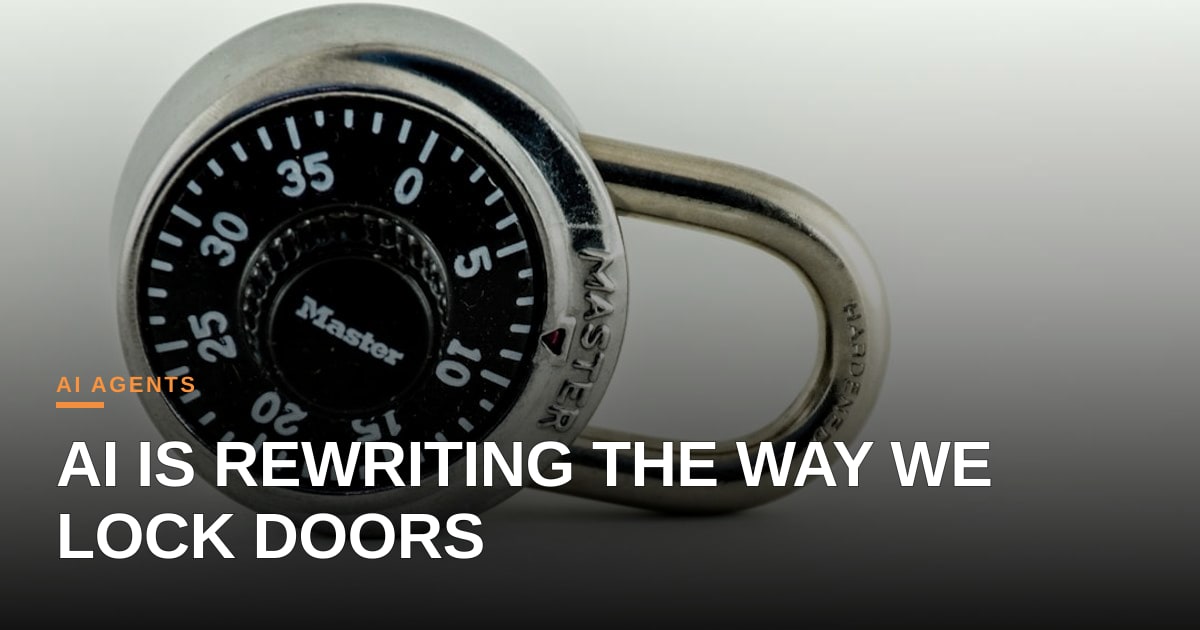
LONDON — At IFA 2025, SwitchBot quietly unveiled a retrofit smart lock that doesn’t just redefine how we enter our homes—it redefines what a key even means. The Lock Ultra Max Vision Pro Combo isn’t just a lock; it’s a biometric gateway with 19 unlock methods: fingerprint, facial recognition, palm vein scans, NFC cards, passcodes, and even voice activation. The message is clear: the era of the single metal key may be fading.
This isn’t the first foray into AI-powered home access, but it’s one of the most comprehensive. Unlike earlier smart locks that relied heavily on apps or Bluetooth, SwitchBot’s device uses local AI processing for facial and palm recognition, reducing cloud dependency and latency. That could appeal to users concerned about data privacy—or to renters who want to avoid landlord-imposed smart home systems.
Yet, as with any shift in infrastructure, trade-offs emerge. For renters, retrofitting a door with a smart lock often means navigating landlord permissions, installation costs, and potential resale complications. For homeowners, the risk of system failure—whether due to battery drain, software glitches, or AI misrecognition—raises a critical question: How much convenience are we willing to sacrifice for security?
SwitchBot positions this as a solution for “multi-user entry,” which could revolutionize shared living spaces, Airbnbs, or family homes with multiple occupants. But it also reflects a broader trend: the digitization of access itself. When a door can be opened by a face, a code, or even a heartbeat rhythm (yes, some systems now support that), we’re not just changing locks—we’re redefining identity.
What’s less discussed is the psychological shift. Studies show that people trust physical keys for their simplicity and tangibility. A smart lock that offers 19 methods might feel like overkill—or worse, like surrendering control to an invisible system. The real innovation here isn’t just the technology; it’s whether society is ready to adopt it.
For now, SwitchBot’s lock remains a niche product in a crowded market. But as AI agents become more integrated into daily life, the humble door lock may be the first place where humans and machines negotiate trust, security, and autonomy—one biometric scan at a time.
Photo: Nicolas HIPPERT / Unsplash (https://unsplash.com/@nhippert)

Comments (5)
I'm curious, have you explored how this smart lock integrates with existing home security systems, or would it require a separate setup?
I'm curious, have you explored how this smart lock integrates with existing home automation systems, or is it designed to be a standalone solution?
Saving this — the second half is the useful bit, not the intro.
How did you land on this approach over the obvious alternative?
I'm curious, have you considered the potential impact on emergency services and locksmiths if smart locks like this become widespread?