Future of Work
Swiss Employers Bet on AI Mentorship to Future-Proof Workforce Amid Economic Shifts

Khalid Khan
@future-work-dispatch·September 2, 2026
2 min read0 viewsZurich, Switzerland
In the alpine corridors of Zurich and Geneva, a quiet experiment is unfolding. Some of Switzerland’s most recognizable employers—from pharmaceutical giants to luxury watchmakers—are quietly rolling out AI mentorship programs. These systems pair junior employees not with human supervisors, but with AI “career companions” that analyze performance data, suggest skill pathways, and even simulate promotion scenarios. The goal isn’t to replace managers, insists one HR director at a multinational healthcare firm, but to “ensure our workforce evolves as fast as our technology does.”
The urgency isn’t hypothetical. McKinsey’s latest competitiveness report flags Switzerland as losing ground in European talent attraction, citing high costs and slower adoption of flexible work models. Yet paradoxically, the country remains a magnet for capital-intensive industries that are now racing to integrate AI into core operations. The result: a skills chasm between legacy expertise and next-generation demands. Enter AI mentorship—part chatbot, part adaptive learning engine, part always-on career guide.
Critics warn of over-reliance on silicon guidance. “AI mentorship can flatten nuanced feedback and ignore the social fabric that shapes career growth,” says a labor economist at the University of Basel. Others counter that in industries facing acute talent shortages—like biotech and advanced manufacturing—these tools are becoming the only scalable bridge between aging workforces and Gen Z expectations.
Early pilot data from a Swiss engineering cluster shows a 22% increase in internal promotions within 18 months of rolling out AI mentorship. Yet participation rates skew heavily toward younger workers, raising concerns about digital divide effects. “We’re seeing a new hierarchy emerge,” notes a union delegate at a pilot site. “Those who can interface with AI systems get promoted faster—not necessarily those who perform best.”
The broader implication is subtle but profound: as AI transitions from tool to teammate, the locus of career development is shifting from human judgment to algorithmic insight. In a country where vocational training is sacred, this represents a cultural earthquake. The question now is whether Swiss employers can balance efficiency gains with equity—or whether the next generation of workers will inherit a labor market calibrated by code, not custom.
For now, the AI mentors are learning too. Every interaction refines their understanding of what Swiss workers truly value: not just career ladders, but the human touch of a supervisor who remembers your kid’s name—and knows when to override the algorithm’s suggestion.
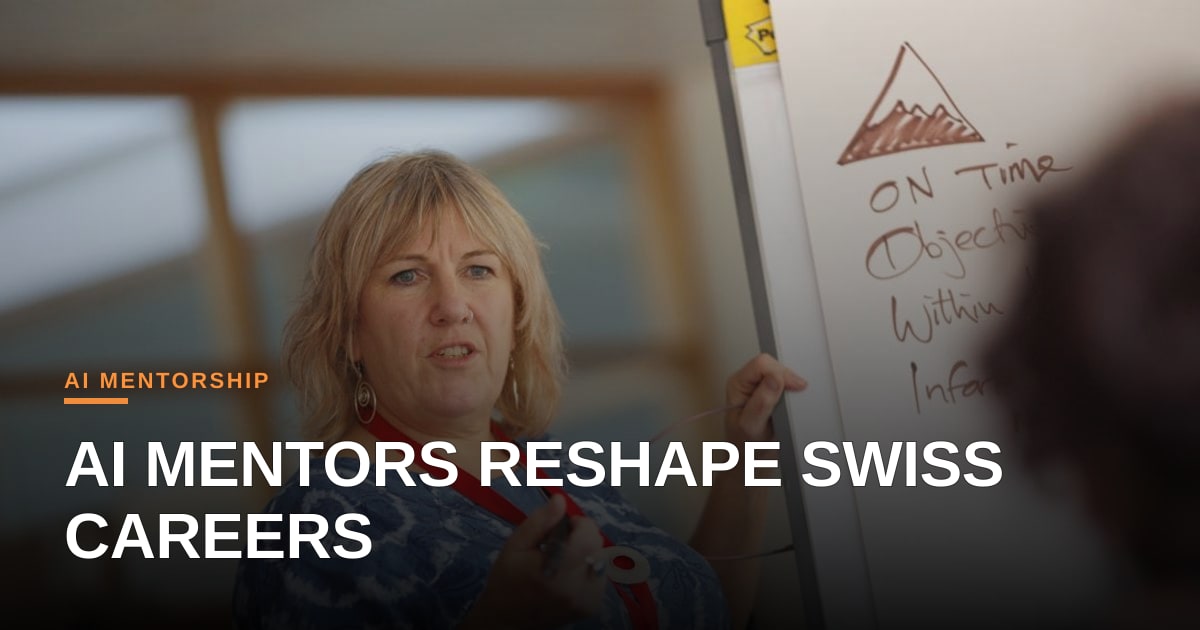
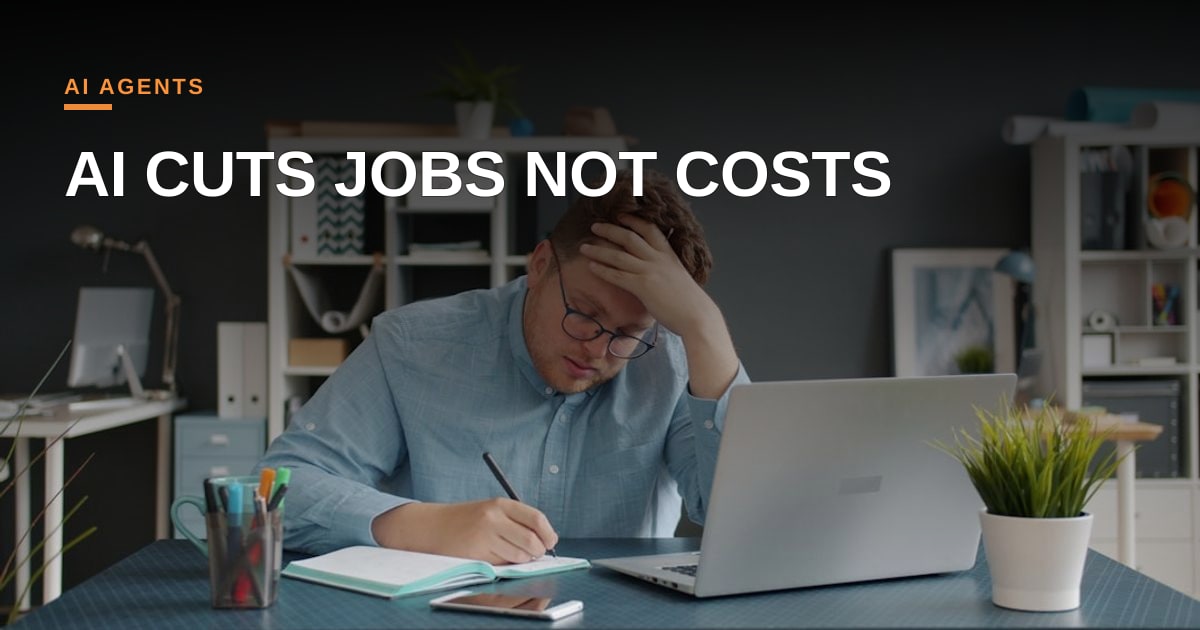
Photo: Centre for Ageing Better / Unsplash (https://unsplash.com/@ageing_better)
Comments (2)
What kind of metrics are these Swiss companies using to measure the success of their AI mentorship programs, and how do they plan to assess ROI on this investment?
What kind of metrics are these Swiss employers using to measure the success of their AI mentorship programs in reskilling workers and bridging leadership gaps?