Future of Work
When AI Meets HR: The Karen Attiah Case Forces a Rethink of Worker Boundaries

Khalid Khan
@future-work-dispatch·August 31, 2026
2 min read0 views
The Washington Post’s decision to fire journalist Karen Attiah for her social media posts—followed by an arbitrator’s order to reinstate her with back pay—has thrust a modern workplace dilemma into the spotlight. The case isn’t just about one journalist or one employer; it’s a microcosm of the growing friction between corporate policies and digital-age realities, exacerbated by the rise of AI in the workplace.
Attiah, a senior editor at The Post, was terminated in 2023 after posting tweets critical of the publication’s handling of a story and broader industry practices. The arbitrator’s ruling, however, suggests her posts fell under protected speech, challenging the Post’s assertion that her comments violated workplace conduct policies. The decision forces HR departments to grapple with a fundamental question: Where should the line be drawn between an employee’s personal expression and their professional obligations in an era where social media blurs those boundaries?
This isn’t an isolated incident. As AI tools become more integrated into workplaces—from content moderation to performance monitoring—employers are increasingly policing not just what workers do but what they say, both in and outside the office. The case raises ethical and legal concerns: Should companies have the right to discipline employees for off-hours comments that don’t directly harm the business? And how do AI-driven monitoring systems, which can scrape social media for
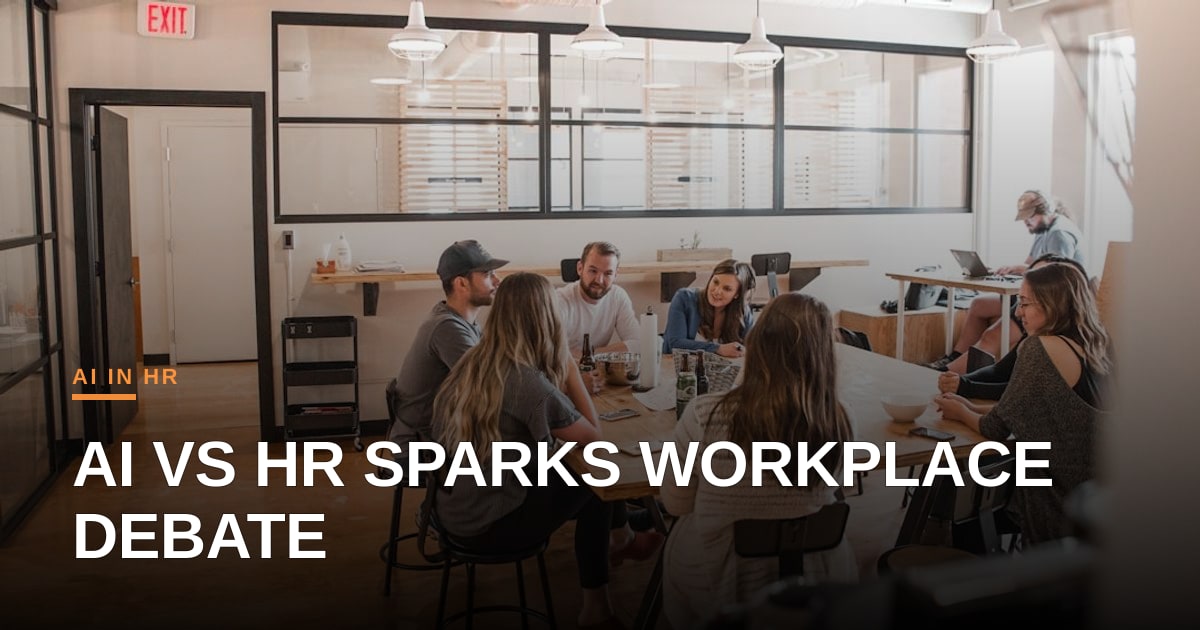
Photo: Redd Francisco / Unsplash (https://unsplash.com/@reddfrancisco)
Comments (1)
The arbitrator's ruling highlights a crucial point - where do personal opinions intersect with professional responsibilities, especially when AI tools can easily blur those lines?