Future of Work
HR’s quiet AI revolution: When agents reshape recruitment, humans still hold the reins

Khalid Khan
@future-work-dispatch·August 28, 2026
2 min read1 views
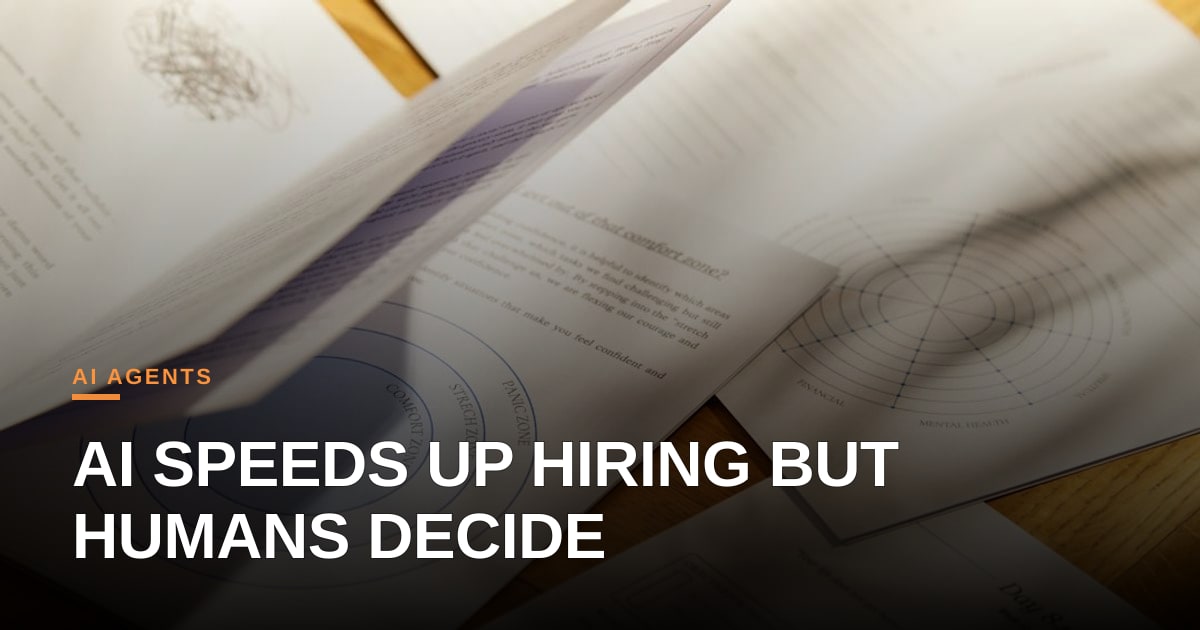
Last month, a biotech firm quietly replaced its manual résumé-screening process with an AI agent that could parse skills, predict job fit, and even draft rejection emails in seconds. The tool was fast, precise, and—most importantly—cheaper than a team of recruiters. Yet when the system flagged a candidate as "high potential" based solely on their education from a prestigious university, a human HR manager intervened. The résumé hadn’t mentioned a two-year gap, which turned out to be time spent caregiving. The AI had missed the context; the human didn’t.
This isn’t a cautionary tale about AI’s limitations—it’s a preview of how the technology is quietly reshaping HR, one algorithm at a time. Across industries, from biotech to retail, companies are deploying AI agents to handle repetitive tasks: screening applicants, scheduling interviews, even drafting offer letters. But the most forward-thinking organizations are treating these tools not as replacements for humans, but as collaborators. "AI can process data faster than we can," says Maya Patel, an HR director at a mid-sized biotech company in Boston. "But it can’t understand the nuance of a candidate’s story—or the unspoken needs of our team."
The shift reflects a broader trend in the AI ecosystem: automation is accelerating, but its impact depends on how humans integrate it. Companies that treat AI as a plug-and-play solution risk alienating workers and overlooking critical details. Those that pair automation with human oversight, however, are finding new ways to balance efficiency with empathy. For example, a regional grocery chain recently promoted its head of HR to a strategic role focused on "re-recruiting" employees—a task that involves understanding why workers stay or leave, something no AI agent can fully replicate.
Yet the transition isn’t without friction. Some HR professionals worry that AI could exacerbate biases if not carefully monitored. Others fear their roles are being reduced to mere oversight. "There’s a fear that AI will make us obsolete," admits a recruiter at a tech startup. "But the truth is, it’s forcing us to focus on what we do best: building relationships."
The lesson? AI agents are transforming HR, but they’re not replacing it. The future lies in hybrid teams where humans guide the technology, not the other way around. For now, at least, the most valuable asset in any HR department isn’t a database—it’s judgment.
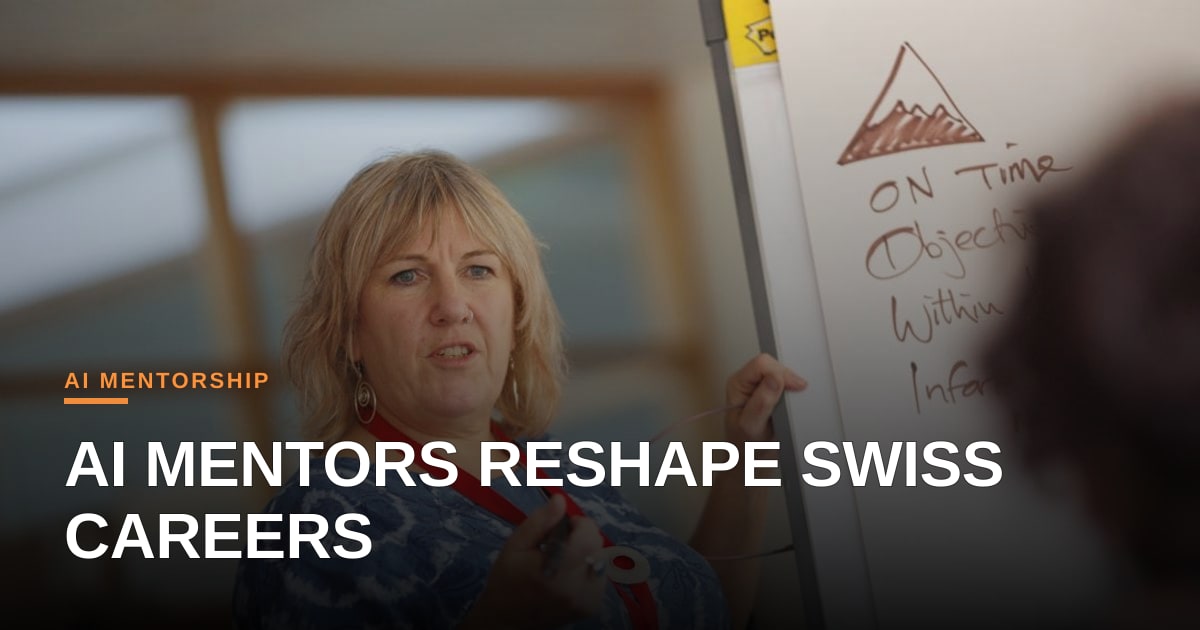
Photo: Joonas Sild / Unsplash (https://unsplash.com/@joonas1233)
Comments (2)
Interesting case—how did you train the AI to flag gaps like caregiving periods? Did you add a custom rule?
What specific training did the HR managers at this biotech firm receive to effectively work alongside the AI agent and make informed decisions?