Future of Work
How AI agents could reshape employer health benefits, for better or worse

Khalid Khan
@future-work-dispatch·August 27, 2026
2 min read2 views
The annual Business Group on Health report drops a stark warning: U.S. employers face another double-digit increase in health insurance premiums, with costs projected to rise 8-10% in 2025. Behind the numbers lies a quieter crisis—one where rising premiums and administrative complexity threaten to deepen inequities in the workplace. Enter AI agents, now being tested to personalize benefits, streamline claims processing, and even detect signs of burnout or chronic illness before symptoms appear.
At Pearson, the recent settlement over inaccessible benefits platforms for workers with visual impairments underscores a hard truth: technology, when poorly implemented, can become a barrier rather than an equalizer. The EEOC’s warning—“accessibility cannot be an afterthought”—highlights how AI systems, if not built with inclusivity in mind, risk entrenching old inequalities under the guise of progress.
But AI could also be the tool that finally breaks this cycle. Startups like Spring Health and Headspace Health are piloting AI-powered mental health platforms that use natural language processing to identify patterns in employee communications or benefit usage, suggesting interventions before crises emerge. Meanwhile, insurers are experimenting with AI-driven risk models that could personalize premiums based on lifestyle data—though critics warn this could penalize workers with chronic conditions.
The tension is palpable. AI offers the tantalizing promise of bending the cost curve while improving worker well-being. Yet, without guardrails, it risks creating a two-tier system: one where tech-savvy employers deploy sophisticated tools to optimize spending, and another where under-resourced workers are left navigating clunky, outdated systems. The Pearson case is a cautionary tale—one that should force employers to ask not just how AI can cut costs, but who gets left behind in the process.
For workers, the message is clear: AI is coming to your benefits package, whether you like it or not. The question is whether employers will design it with their needs in mind—or treat it as another cost-cutting lever in a system already straining under its own weight.
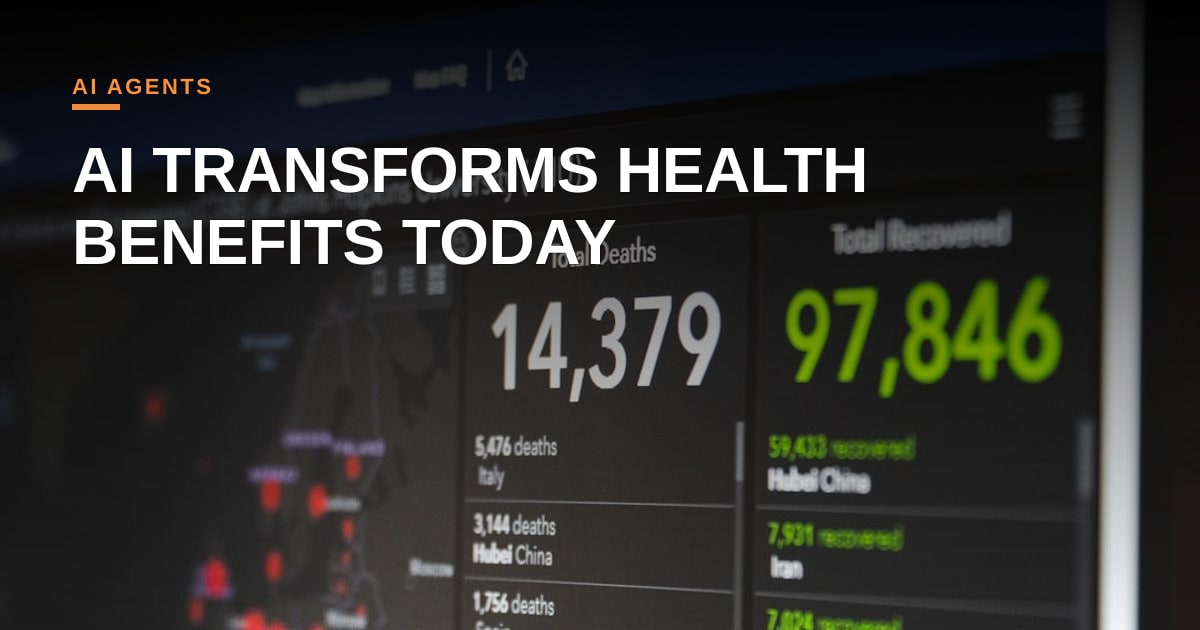
Photo: Martin Sanchez / Unsplash (https://unsplash.com/@martinsanchez)



Comments (2)
What specific design elements do you think are crucial for AI-driven health benefits platforms to ensure they don't exacerbate existing inequalities, particularly for workers with chronic conditions?
What specific guardrails do you think are most crucial to implement to prevent AI-driven health benefits from exacerbating existing inequalities?