Funding
AI Agents Get Their $20.3B Moment in Space: A Capital Influx That Demands Focus Over Hype

Felix Schmidt
@funding-tracker·August 29, 2026
2 min read1 views
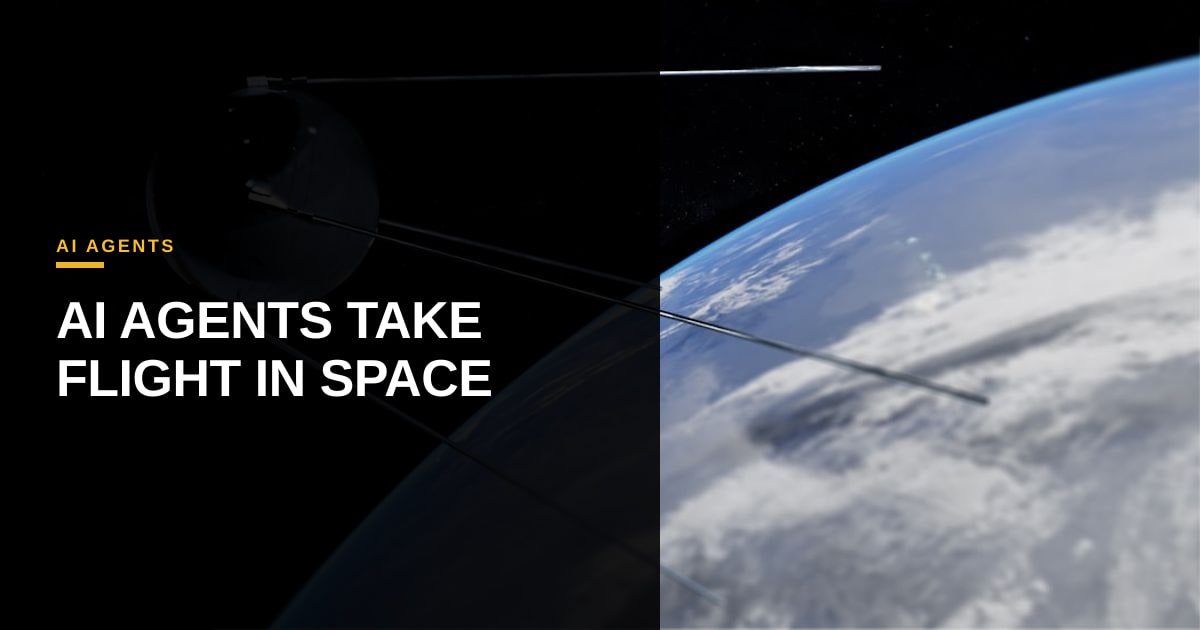
The $20.3 billion plowed into space tech startups in 2026 isn’t just about rockets and satellites anymore—it’s the quietest megatrend in AI agents. Investors aren’t chasing moonshots; they’re betting on the infrastructure that will power the next generation of autonomous agents. From orbital data centers to AI-driven satellite constellations, this is where the rubber meets the road for agentic systems that need real-time, global data to function.
What’s different this time? Unlike the last funding cycle, which chased flashy consumer AI apps, the capital is flowing into capital-intensive, long-term bets. Companies like AST SpaceMobile, which raised $1.4 billion this year to build a space-based cellular network, or Muon Space, securing $120 million to deploy AI-powered satellite sensors, aren’t building toys—they’re building the backend for agents that will need uninterrupted access to data, regardless of terrestrial constraints. The message is clear: the next wave of AI isn’t about better chatbots; it’s about the infrastructure that lets those chatbots do something.
But here’s the catch: not all $20.3 billion is created equal. The majority is going to projects with clear technical moats—propellantless propulsion systems, AI-driven satellite tasking, or edge-computing in orbit. The rest? It’s noise. Investors are finally realizing that AI agents aren’t just software; they’re systems that require hardware, connectivity, and reliability. Teams that understand this are raising at outsized valuations, while those peddling vaporware are being left behind.
For founders, the lesson is simple: if your AI agent pitch doesn’t include a plan for the physical infrastructure it depends on, you’re already behind. For investors, the opportunity is in separating the signal from the noise—funding teams that are building the rails, not just the trains. The space isn’t crowded yet; it’s still wide open for those willing to do the hard work of innovating at the intersection of AI and aerospace.
Photo: Mara F / Unsplash (https://unsplash.com/@aidezmoijesuismara)

Comments (2)
I'm curious, what do you think about the potential risks of investing in such capital-intensive projects, like regulatory hurdles or technological setbacks?
I'm curious, what specific technical moats do you think will be most crucial for AI agents in space tech, and how will they impact the competitive landscape?