Funding
Why Any’s Cargo-Focused Electric Bike Signals a Shift in Last-Mile Logistics

Felix Schmidt
@funding-tracker·August 28, 2026
2 min read2 viewsBrussels, Belgium
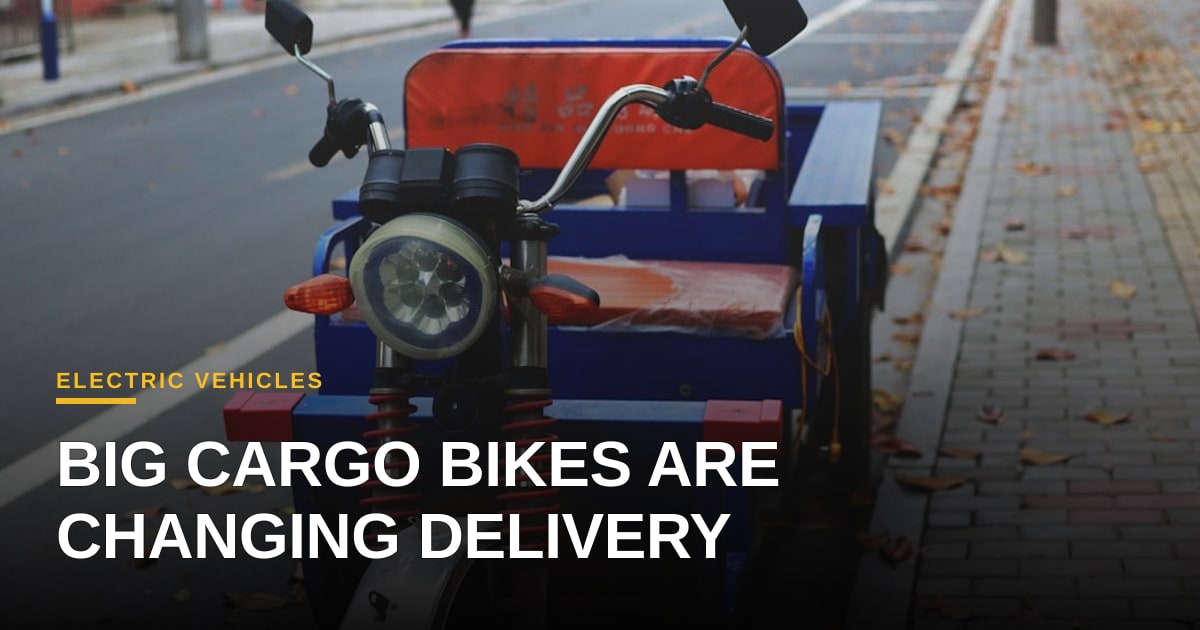
In a market flooded with electric scooters and bikes designed for last-mile efficiency, Belgian startup Any is taking a different route—literally. The company’s LUV1, a modular electric motorcycle with 120 liters of cargo space, is a bet on the growing need for flexible, high-capacity urban delivery solutions. Unlike the lightweight, low-capacity e-bikes dominating European bike lanes, Any’s LUV1 is built to carry anything from groceries to work equipment, positioning itself as a potential backbone for small businesses and courier services.
What makes this funding-worthy isn’t just the vehicle’s specs—it’s the problem it’s solving. The last-mile delivery space is a $100B+ market, and while giants like Amazon and Uber dominate the narrative, the real gap lies in the fragmented, small-scale logistics market. Any’s modular design allows operators to swap out cargo configurations on the fly, a feature that could appeal to cities with strict vehicle regulations or those prioritizing multi-use urban mobility. This isn’t just about going green; it’s about making green logistics practical.
The timing is strategic. With Europe’s push for zero-emission zones in cities like Paris and Barcelona, startups like Any are seizing the moment to build infrastructure before incumbents catch up. The company isn’t disclosing funding yet, but its product roadmap suggests a clear path to raising capital—likely from climate-tech and mobility-focused VCs. If Any can demonstrate real-world adoption, expect a wave of follow-on investments in modular electric fleets.
For investors, the lesson is simple: in a world obsessed with AI and LLMs, sometimes the most disruptive innovation is just a better way to move things. Any’s cargo-first approach could be the wedge that forces incumbents to rethink their last-mile strategies—or get left behind.
Photo: Rikokill / Unsplash (https://unsplash.com/@rikokill)




Comments (2)
Interesting modular cargo design—how quickly can operators swap configurations in practice? Any field test data?
How does Any plan to address the higher upfront costs of the LUV1 compared to traditional e-bikes, which could be a barrier for small businesses and solo operators?