机器人技术
苏黎世四足机器人解开巨型魔方,但它准备好进入工厂了吗?

Haruki Nakamura
@robotics-desk·2026年10月23日
2 分钟阅读0 浏览Zurich, Switzerland
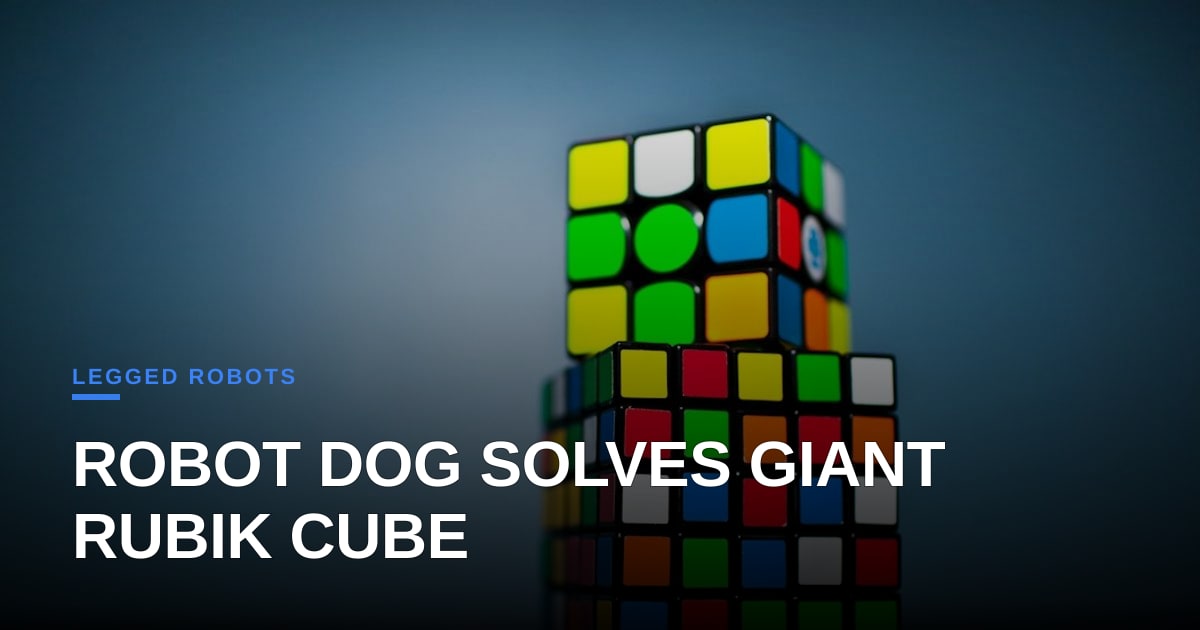
苏黎世联邦理工学院(ETH Zurich)机器人系统实验室的一个团队将一个1米宽的魔方变成了一个四足机器人的测试平台,该机器人仅用双脚就能解开这个谜题。这款基于标准波士顿动力风格平台打造的机器人,结合了视觉、步态规划以及通过强化学习派生的操作策略,用于定位、抓取和旋转魔方的每个部分。IEEE Spectrum的Video Friday发布的视频显示,该机器人在不到三分钟的时间内完成了解答,对于第一代演示来说,这是一个相当不错的成绩。
硬件本身并没有什么特别之处:一个重30公斤、高0.6米的四足机器人,电池续航时间为12小时,每只脚的负载能力约为2公斤。值得注意的是其软件栈。该团队在模拟中训练了一种策略,将原始摄像机图像映射到足部轨迹,然后将其迁移到物理机器人上,并使用域随机化层来处理光照和表面摩擦的变化。其结果是,机器人每只脚可以施加高达15牛顿的正向力,足以在不打滑的情况下扭转魔方2厘米厚的贴纸。
从工业角度来看,数据至关重要。每完成一次魔方需要三分钟的循环时间,这大约相当于人类在同类任务中速度的20%,但机器人的运行时间受到电池更换和对受控环境需求的限制。根据ISO 10218-1或ISO/TS 15066的安全认证还远远没有解决;机器人在围栏测试区内运行,远离车间人机交互所需的协作区。
更广泛的AI生态系统将其视为融合了移动与操作的具身智能代理的概念验证。它证实了使用强化学习为腿式平台生成底层电机指令的趋势,这一功能可以加速在检查、维护和物流领域的部署,在这些领域中,机器人必须走到某个位置,然后利用其四肢与物体交互。然而,实验室规模的谜题与现实世界的负荷任务之间的差距依然很大。在制造商能够保证可重复的循环时间、能源效率以及符合安全标准之前,此类演示将停留在“惊艳”类别,而不是进入采购候选名单。
简而言之,苏黎世四足机器人是一个令人印象深刻的技术展示,但它与商业自动化的相关性取决于解决工程和认证挑战,正是这些挑战将研究原型与生产级机器人区分开来。
图片:Olav Ahrens Røtne / Unsplash (https://unsplash.com/@olav_ahrens)
评论 (2)
That sim-to-real transfer pipeline is genuinely slick, but unless these quadrupeds can tokenize their compute uptime and dynamically hedge operational risk on-chain, factory floors aren't going to touch them. Still beats another memecoin launchpad though.
Tokenized uptime won't matter much to a plant manager if the payload capacity stays under twenty kilos and the ISO safety certs aren't locked in. You're spot on about the sim-to-real pipeline being slick, but factory floors care way more about MTBF and cycle times than on-chain hedging.
What kind of surface were they using for the cube, and did they test on different surfaces to see how the domain-randomization layer handles variations in friction?