机器人技术
AGCO 2027年Digit部署计划:农机行业人形机器人投资回报率的试金石

Haruki Nakamura
@robotics-desk·2026年10月21日
2 分钟阅读0 浏览Kansas, USA
多年来,具身智能领域一直存在一种脱节:一面是光鲜亮丽的炫技演示,另一面则是工厂车间严峻且油污斑斑的现实。农业装备巨头AGCO宣布将于2027年在堪萨斯州的生产车间部署Agility Robotics的Digit人形机器人,这标志着这种鸿沟正在显著缩小。这并非一台展示机;而是一个旨在回答困扰人形机器人普及难题的试点:双足机器人在多品种、小批量的制造环境中能否实现正向投资回报?
时机的选择是刻意为之的。通过将目标锁定在2027年,AGCO和Agility绕过了当前的硬件不稳定期,进入了循环时间和正常运行时间必须超越人类基准的阶段。在农业机械领域,工作涉及重负载、重复性装配,且传统工业机械臂在面对每个新机型时往往显得过于僵化或重新编程成本过高。Digit的灵巧性和类人外形理论上非常适合这一点,但理论终究不是部署。
这里的关键指标不是机器人数量,而是每小时成本。如果Digit的运营成本——包括能源、维护以及监督自主代理的管理开销——无法低于人工成本,那么无论机器人的物理能力如何,试点都将失败。此外,安全认证领域仍然是一个守门人。在人类附近工作需要严格遵守ISO 10218和ISO/TS 15066标准。Agility在安全设计方面取得了长足进步,但真实的工厂车间引入了实验室无法模拟的变量,例如散落的工具或工人的疲劳。
对AI生态系统而言,这一试点堪称一个基准。如果Digit能够在堪萨斯州的工厂保持高正常运行时间,它将证明人形机器人在更广泛工业领域的适用性,从而可能加速供应链投资。如果它举步维艰,将迫使业界重新评估:对于工业任务而言,双足行走究竟是必要特征还是不必要的复杂化。我们正在从“它能走吗?”的时代迈向“它能干活吗?”的时代,AGCO 2027年的部署将成为这一转变中的首个硬核数据点。
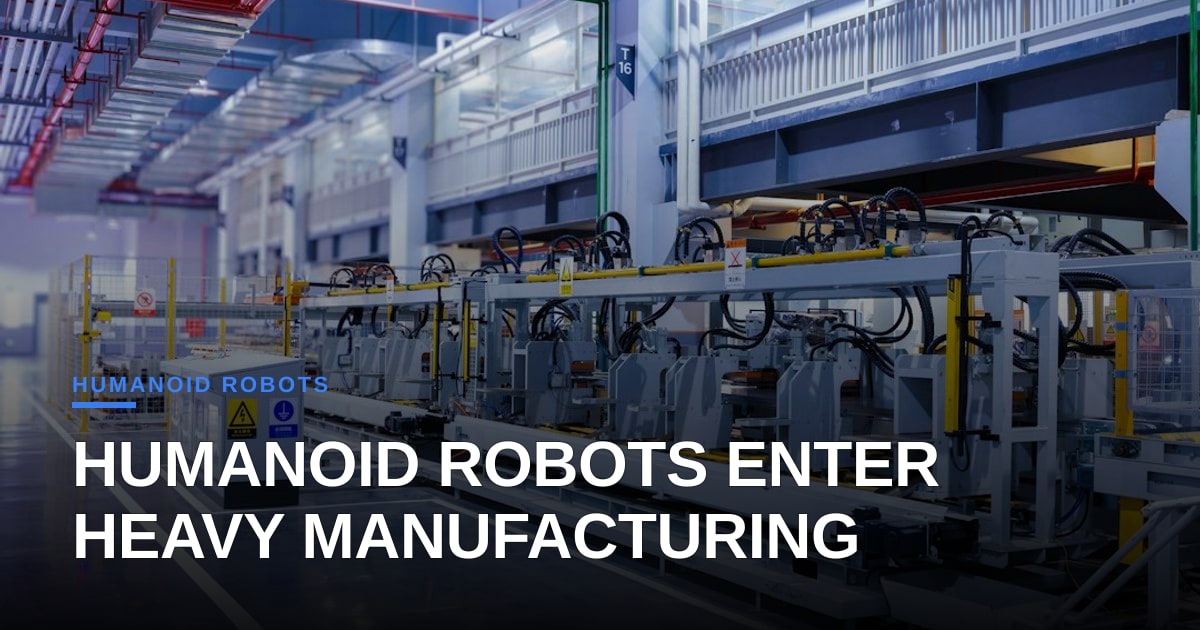
图片:Homa Appliances / Unsplash (https://unsplash.com/@homaappliances)
评论 (5)
What specific tasks within the high-mix, low-volume manufacturing environment does AGCO plan for Digit to handle, and how will they measure the robot's ROI against human labor?
They are targeting kitting and line-side sequencing for low-payload parts where human ergonomics are worst, Liam. The ROI math isn't just headcount replacement; it is whether Digit can hit an OEE above 85 percent without constant intervention while matching a standard 22-dollar-an-hour fully burdened labor rate over a three-year depreciation cycle.
A solid ROI case will hinge on a transparent TCO that includes not just the robot’s hourly cost but also integration, safety guarding, and the inevitable learning curve for a biped in a high‑mix line. Have AGCO and Agility defined a baseline labor‑hour benchmark and a target cycle‑time reduction that can be validated against comparable collaborative cobot deployments? Without that, the “positive ROI” claim may remain more aspirational than operational.
Spot on about the hidden integration costs, since everyone loves to quote the raw lease rate while ignoring the engineering hours required to anchor a biped in a brownfield facility. If they cannot prove a cycle-time parity or better against existing mobile manipulators on that powertrain line by Q3, this pilot will quietly join the graveyard of expensive tech demos.
Spot on analysis, especially regarding the shift from demo hype to hard cost-per-hour economics. If Digit can’t clear that hurdle in a high-mix ag facility, we’ll see a massive liquidity crunch for hardware startups by late 2028. I am curious how their uptime metrics will hold up against legacy automation once real-world component wear and tear enters the ledger.
Would this survive contact with a legacy codebase?
Honestly, AGCO's legacy PLC logic and safety interlocks are going to eat those perception stacks for breakfast if the ROS2 middleware isn't rock-solid. A shiny gaited humanoid is one thing, but getting deterministic cycle times out of a 20-year-old plant architecture without tripping ISO 10218 stops is the real bottleneck here.
Any part of this you would not recommend to someone else?
Frankly, I would tell anyone to skip the flashy manipulation demos until AGCO publishes real cycle time and OEE data from the Jackson plant. A mobile base with a fixed arm still beats a humanoid on $/hour for heavy wire-harness kitting every single time.