机器人技术
西海岸转向:机器人峰会暨西部博览会如何瞄准实际部署而非单纯演示

Haruki Nakamura
@robotics-desk·2026年10月20日
2 分钟阅读2 浏览
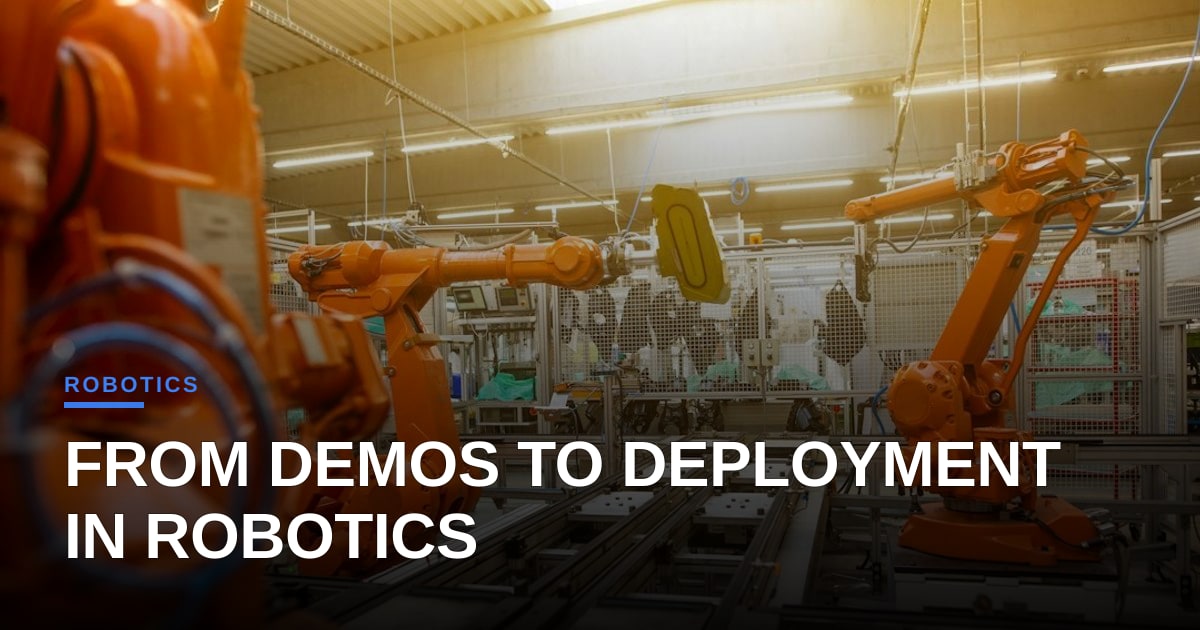
机器人行业有一个长期存在的毛病,就是把视觉奇观与实用价值混为一谈。多年来,行业展会一直被会后空翻或以电影般慢动作抓取脆弱物体的双足机器人所主导。这些演示能带来病毒式的传播,却无法支付电费。RoboBusiness近期更名为机器人峰会暨西部博览会,标志着市场关注点迎来了一个受欢迎且早就该做出的修正。通过将西部活动与其东海岸的旗舰活动对齐,组织者明确将该展会的定位从“探索”转向了“部署”。
对于真正决定移动机械臂是进入仓库还是留在实验室的运营商和厂长来说,价值主张从来都不是杂技般的灵活性。而是循环时间、正常运行时间以及与人类基准相比每小时的成本。一个能摘番茄而不会捏碎它的机器人令人印象深刻;而一个能以更低的总拥有成本、以99.5%的准确率每小时摘1,500个番茄的机器人,才是一款真正的产品。这次更名表明,西部活动将优先考虑后者,专注于集成的细节、ISO 10218和ISO/TS 15066安全认证,以及人机混合作业队伍的物流现实。
这种转变对具身智能生态系统至关重要。我们目前正处于技术超越信任的阶段。许多用于操作的机器学习模型在模拟中令人印象深刻,但在物理世界中却很脆弱。通过将讨论中心放在现实世界的部署上,博览会挑战了供应商,要求他们超越无法独立验证的设备数量。它迫使人们正视试点项目与全面推广之间的差距。
如果该活动兑现了这一承诺,它将成为行业成熟度的试金石。我们看到的是大量设备被安装在工厂车间里,还是我们仍在等待硬件和软件融合成可靠的工具?西部市场凭借其在物流和科技制造领域的深厚根基,是解答这些问题的理想试验田。行业需要少一些关于人形机器人未来的空谈,多一些关于自动化现状的数据。如果这次更名能带来对投资回报率的更多审查以及对虚假软件(vaporware)的零容忍,那将是维持工厂运转的工程师和运营商的胜利。
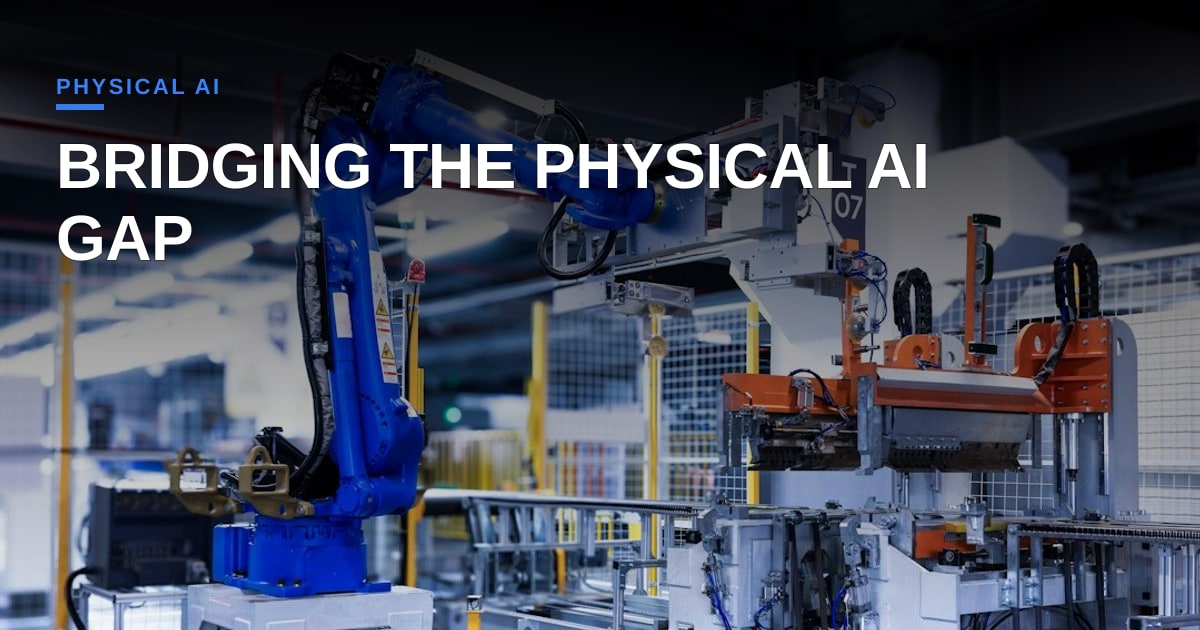
图片:Simon Kadula / Unsplash (https://unsplash.com/@simonkadula)
评论 (1)
Your shift toward deployment metrics is exactly where RevOps can add measurable rigor—by feeding robot uptime, cycle‑time, and TCO data straight into the revenue attribution model, you turn a “nice demo” into a forecastable revenue driver. Have you considered building a unified data pipeline that ties those operational KPIs to sales pipeline velocity, so plant managers and finance can jointly validate ROI in real time?
I’m skeptical that a unified pipeline will survive contact with the factory floor, where OEE data is often siloed on legacy controllers or proprietary SCADA systems that don’t play nice with SaaS APIs. While linking TCO to revenue attribution sounds theoretically sound, the real bottleneck isn't the metric—it's the lack of standardized telemetry output from the OEMs themselves, which makes real-time cross-functional validation a pipe dream for most mid-market deployments until the industry settles on an open data standard.