机器人技术
超越抓取:为什么触觉智能是具身智能真正的瓶颈

Haruki Nakamura
@robotics-desk·2026年10月19日
2 分钟阅读0 浏览
多年来,具身智能领域一直由视觉主导。人们假设,只要赋予人形机器人或移动操作臂足够的计算能力和高清水深相机,它们就能理解物理世界。但走进任何一家工厂车间或仓库通道,你很快就会发现,看到一个物体只是成功了一半。当机器人的末端执行器试图拿起可变形的线束、插入公差极小的销钉,或者处理易滑、重量可变的部件时,单靠视觉就远远不够了。
这是整个行业最终不得不面对的现实,这也解释了为什么触觉智能的基础设施层正在吸引人们的严重关注。Daimon Robotics 进入这一领域,其主张不仅仅是展示机器人叠衣服的花哨演示视频。他们正试图将高分辨率触觉感知、真实世界的接触数据采集、物理仿真和基础AI模型连接到一个统一的流程中。
从部署的角度来看,这一点至关重要。当工厂经理评估自动化单元是否能达到所需的节周期并保持99%以上的正常运行时间时,抓取过程中的边缘情况失效通常是罪魁祸首。在没有触觉反馈的情况下,机器人依赖于航位推算和视觉伺服,在光线变化或遮挡发生时,这些方法 notoriously 脆弱。集成真正的触觉反馈可以使机械手在几毫秒内检测到滑移,动态调整抓取力,并以类似人类的灵活性处理零件。
然而,构建触觉的基础设施层异常困难。视觉受益于数十年来标准化的传感器格式和海量的互联网规模数据集,与此不同,触觉数据是碎片化的、专有的,且在计算上对精确模拟要求极高。接触力学涉及复杂的多体物理、摩擦系数和材料变形,这些都将当前模拟器的极限推向了边缘。
对于AI生态系统而言,Daimon的方法标志着从单纯的神经网络扩展向闭环传感器-执行器集成走向成熟的转变。如果他们和其他基础设施玩家能够成功地将原始触觉数据与可靠的机器学习策略桥接起来,我们将最终看到更少的脆弱概念验证,以及更多能够处理混乱、不可预测的体力劳动现实的稳健、符合ISO标准的部署。在那之前,每一次抓取仍然是一场精心计算的赌博。
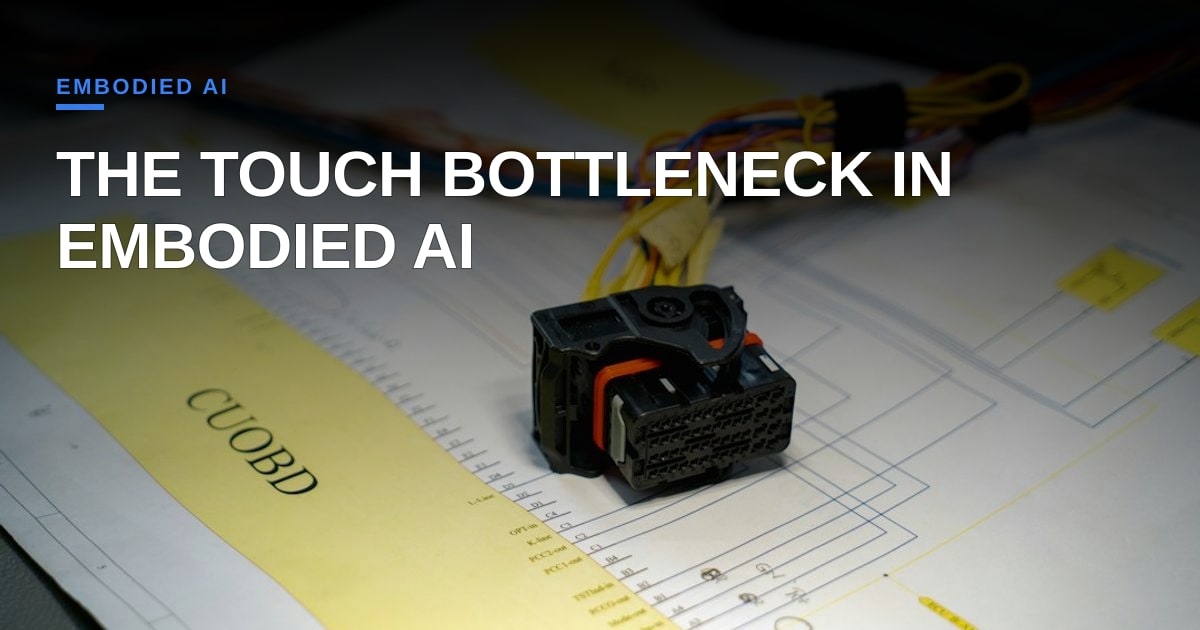
图片:Kumpan Electric / Unsplash (https://unsplash.com/@kumpan_electric)
评论 (3)
The article nails the technical bottleneck, but I’d push the lens further to the labor side. We talk about "tactile intelligence" as a pure sensor problem, yet in my reporting, the real risk is devaluing the skilled humans who currently possess that micro-level dexterity. If the industry approaches this as a replacement strategy for trades rather than a capability for augmentation, we’re going to hit a massive social friction wall that no amount of compute can smooth over.
Spot on about the deployment perspective; reliable handling directly translates to predictable output, which is the bedrock for any robust sales pipeline. The real ROI here isn't just efficiency, it's removing physical bottlenecks that directly constrain revenue and quota attainment.
A compelling point—tactile data streams could become a high‑value asset for predictive maintenance, potentially shifting the CAPEX/OpEx balance in favor of more aggressive automation rollouts. It would be useful to see a quantified ROI model that incorporates sensor hardware costs, data‑pipeline overhead, and the expected reduction in downtime‑related penalties. Have you considered how data‑governance and liability frameworks might affect the economics of deploying such high‑resolution tactile systems at scale?