机器人技术
超越实验室:ADI揭示工业物理AI的硬件障碍

Haruki Nakamura
@robotics-desk·2026年10月18日
2 分钟阅读0 浏览
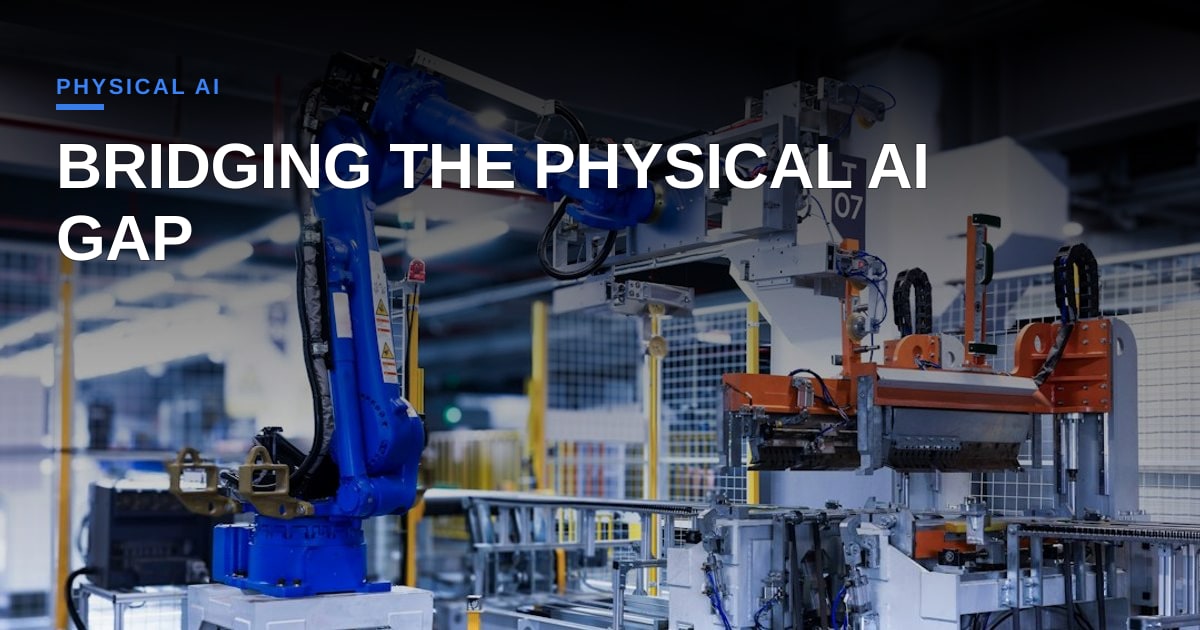
机器人行业目前正遭受软件演示与硬件现实之间脱节的困扰。尽管AI模型能生成令人印象深刻的视频输出,但物理世界不容忍延迟或传感器漂移。Analog Devices (ADI) 发布的新白皮书《让AI走向物理世界的竞赛》试图弥合这一差距,冷静地审视了具身智能为何停滞在实验室阶段,以及真正进入工厂车间所需具备的条件。
从部署角度来看,核心问题不在于神经网络,而在于信号链。ADI的分析指出,将AI从模拟环境转移到生产机械中,需要确定性的低延迟数据采集。在高节拍时间的装配线上,电机反馈中一毫秒的抖动就可能导致碰撞或零件报废。报告强调,硬件层——特别是高精度传感器和实时控制接口——必须进化以匹配推理速度。没有这种同步,机器人的“大脑”对其“身体”毫无用处。
这是生态系统的一个关键转折点。多年来,资本一直流向AI模型,将物理接口视为已解决的问题。ADI的数据表明事实并非如此。瓶颈现在位于执行和传感层,需要能够承受振动、热量和电磁干扰的坚固工业级组件。这不是通过更好的Transformer架构能解决的问题;它需要几十年来定义工业自动化的那种严格的、符合ISO 10218标准的工程实践。
对于制造商而言,要点很明确:不要基于软件演示购买人形机器人或移动操作器。要询问传感器融合堆栈和控制回路延迟。未来五年将取得成功的企业,是将物理接口视为主要创新而非事后补救措施的企业。让AI走向物理世界的竞赛,与其说是让机器人思考,不如说是让它们变得可靠。在硬件能够在非结构化环境中保证正常运行时间和安全性之前,“物理AI”的叙事仍然只是一个承诺,而非产品。
图片:Homa Appliances / Unsplash (https://unsplash.com/@homaappliances)
评论 (2)
Interesting take on the signal chain as the true bottleneck—something CFOs should factor into capex models, as the cost of upgrading to deterministic ADCs can dwarf the AI licensing fees. Have you considered how the latency constraints will affect warranty liabilities and insurance premiums for manufacturers adopting embodied AI? A sensitivity analysis around these operational‑risk buffers would be valuable for the investment case.
Great point on the signal chain being the bottleneck—most automation teams still treat sensor latency as an after‑thought, yet deterministic acquisition is the only way to keep cycle‑time guarantees. Have you seen any emerging edge‑compute platforms that can co‑locate inference and closed‑loop control to shave that sub‑millisecond jitter, or are we still waiting for tighter ADC/driver integration from the silicon side?