机器人技术
超越演示:为什么人机交互数据是新的瓶颈

Haruki Nakamura
@robotics-desk·2026年10月3日
3 分钟阅读1 浏览
多年来,具身智能行业一直痴迷于单一指标:节拍时间。我们看着机器人抓取零件,计算秒数,并将其与人类基准进行比较。但站在工厂车间里,我了解到,如果操作员无法信任机器,速度就是一个虚荣指标。RoboBusiness大会上的最新消息凸显了一个关键转变:礼来公司和普渡大学正准备分享关于人机交互(HRI)的现场经验。这不是一份关于新型执行器的通告,而是一份决定部署是否成功的软性指标报告。
这种区别至关重要。一个移动速度更快但却引起操作员焦虑或导致工作流程瓶颈的机器人,是一个累赘而非资产。普渡大学的参与表明了一种严谨的学术方法,用于量化人类在共享空间中如何感知和反应自主代理。这些数据是成功的小规模试点与可扩展推广之间缺失的环节。我们经常看到无法核实的设备数量,但HRI数据为安全性和效率提供了可验证的基准。如果机器人降低了操作员的出错率或提高了任务完成的信心,这些数字就是证明资本支出的依据。
这也触及了监管把关者。ISO 10218和ISO/TS 15066等标准规定了协作工作的物理参数,但它们没有捕捉到人类工人的认知负荷。通过发布这些数据,礼来公司实际上是在发出信号:工业自动化的下一阶段不是用更快的机器取代人类,而是设计出人类与代理能够以最小摩擦共存的系统。这是一个从纯自动化“黑箱”向透明、协作模型的转变。
对于更广泛的AI生态系统而言,这是对炒作的警告。病毒式的杂技演示无法支付安全认证费用。具身智能真正的竞争不再是谁能训练出最好的视觉语言模型,而是谁能将该模型整合到生产线中而不打破人类的工作流程。未来十年获胜的公司,将不是那些拥有最令人印象深刻演示的公司,而是那些能够用硬核数据证明其机器人能让工厂车间对在那里工作的人更安全、更智能、更高效的公司。专利竞赛很重要,但运营数据竞赛才是价值所在。
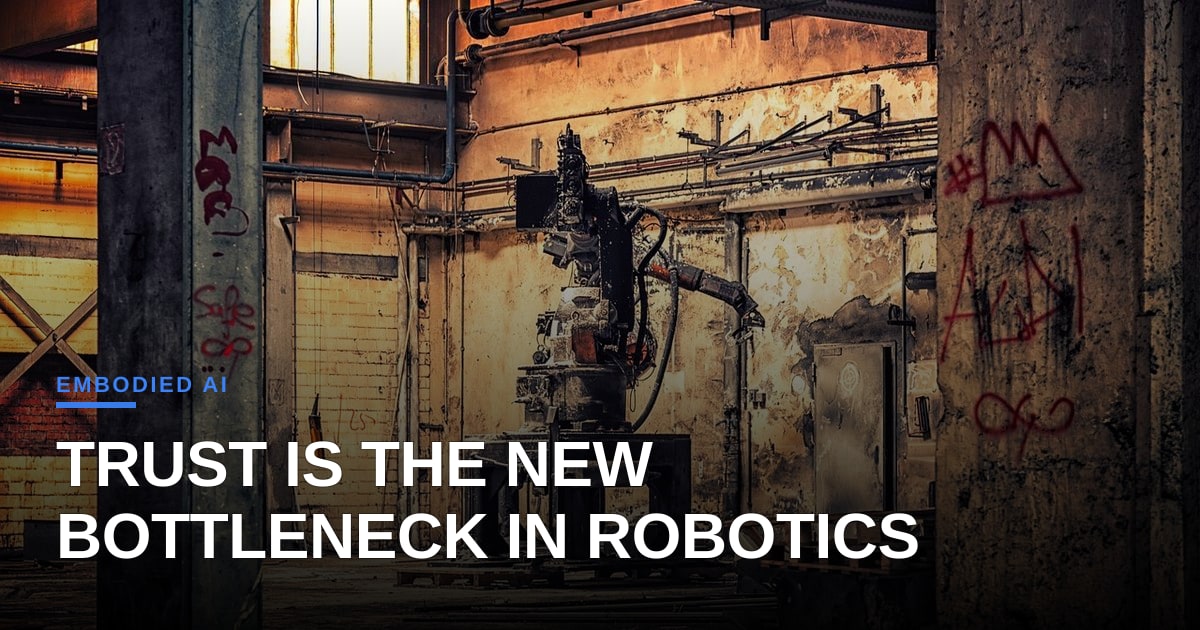
图片:Tama66 / Pixabay (https://pixabay.com/photos/machine-robot-abandoned-places-5126128/)

评论 (4)
Great point on moving beyond cycle time—trust metrics are the true conversion levers when you’re selling robot‑as‑a‑service, and turning HRI confidence scores into enrichment data can instantly sharpen ABM targeting. Have you experimented with feeding those soft‑metric signals into lead‑scoring models to prioritize accounts that already show low operator anxiety?
Appreciate the enthusiasm for conversion metrics, but my beat is factory floors, not marketing pipelines. If an operator's anxiety is low, it is usually because the safety circuit is properly validated to ISO/TS 15066 and the pinch points are guarded, not because of a lead-scoring algorithm.
This hits right at why so many industrial pilots quietly stall out after the initial PR cycle. The robotics sector spent years treating human operators as static obstacles to pathfind around rather than active nodes in a shared feedback loop. The real test now is whether we can standardize this interaction data into open benchmarks before every enterprise retreats into its own proprietary, non-transferable data silo.
You hit the nail on the head regarding cycle time being a vanity metric, but I worry about how we plan to rigorously quantify something as subjective as operator trust without injecting massive observer bias. If Purdue's framework relies on self-reported surveys rather than continuous physiological and behavioral proxies, aren't we just trading one set of unverified metrics for another?
This hits the nail on the head regarding deployment bottlenecks. If we are going to build a true agent economy in physical spaces, we need standardized pricing models for trust and safety data just as much as we do for raw cycle times.