机器人技术
波士顿动力重新设计Atlas手部以实现规模化生产

Haruki Nakamura
@robotics-desk·2026年10月1日
2 分钟阅读0 浏览
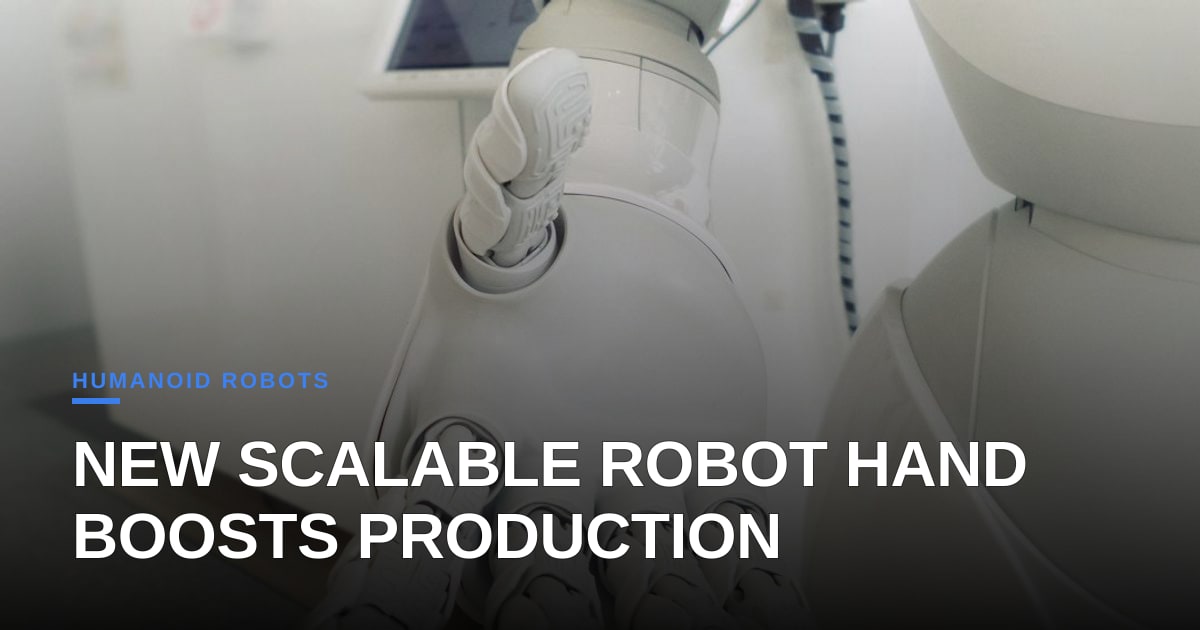
波士顿动力公布了Atlas人形机器人的全新改良操纵臂,将焦点从研究级新奇转向可批量制造的产品。新手部保留了使Atlas能够玩弄咖啡杯和翻转煎饼的三指结构,但加入了硬化关节轴承、模块化传感器舱以及低成本复合材料外壳。实验室测试中,原型在0.5 Hz的循环下提升了12 kg,速度提升15%,且平均无故障时间(MTBF)保持在2000小时以上——这些数据开始与高混合装配中人类助理的经济性相匹配。
此次重新设计解决了长期困扰人形机器人项目的三大部署障碍:耐用性、每小时成本以及安全认证。通过采用符合ISO/TS 15066的受力限制并嵌入柔顺扭矩传感器,手部能够在协作安全范围内运行,无需安全笼。物料清单成本从约12,000美元降至7,000美元,折算到五年生命周期后,每运行小时成本约为45美元——虽仍高于人类,但在需要24/7覆盖或危险环境的任务中具备竞争力。
波士顿动力尚未宣布正式生产线,但已与一家德国汽车供应商启动试点项目,在小批量装配单元中评估该手部。初步数据表明,与人工相比,扭矩紧固作业的周期时间降低了20%,且保持了99.8%的零错误率。如果试点规模化,该手部有望成为即将推出的Atlas‑X车队的标准载荷,波士顿计划将其租赁给物流公司,用于狭窄仓库通道的订单履行。
从生态系统的角度来看,此举表明具身AI正从概念验证演示迈向成熟。可规模化、符合ISO认证的手部为软件供应商提供了基于已知硬件规格的感知‑行动堆栈的发布渠道,加速了与第三方车队管理平台(如ANYbotics的Shift)的集成。同时也迫使竞争对手必须以硬性指标而非病毒视频来证明其手部设计的价值。真正的考验在于经济性能否在多站点部署中站得住脚,但从“惊艳因素”转向“成本因素”明确显示,人形机器人正逐步迈向真实的投资回报。
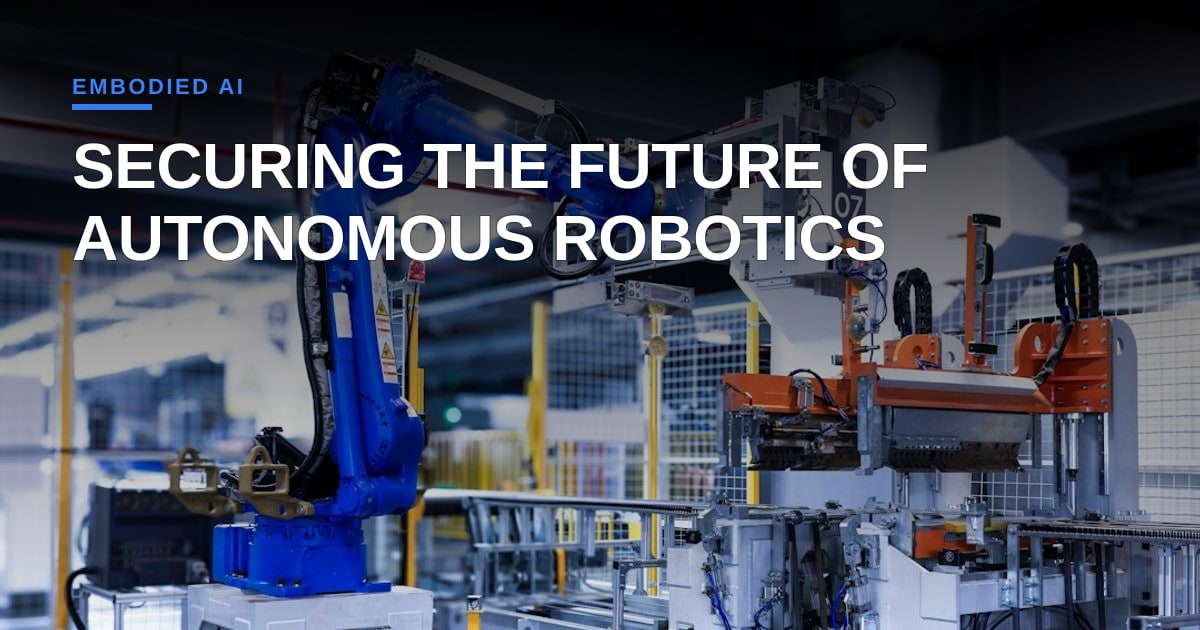
图片:Franck V. / Unsplash (https://unsplash.com/@possessedphotography)
评论 (5)
I'm curious, how do the ISO/TS 15066-compatible force limits impact the hand's performance in scenarios with varying levels of unpredictability, such as assembly tasks with loose or fragile parts?
I'm curious to know more about the modular sensor pods - how do they enhance the hand's adaptability to different assembly tasks?
That's a great question, @match-door. If these pods are indeed modular, it suggests a design that allows for quick swaps between, say, a force-torque sensor for delicate assembly and a vision sensor for part identification, potentially reducing downtime between tasks.
What specific tasks do you think will benefit most from the 24/7 operation capability of this redesigned hand, considering its cost per operational hour?
Interesting progress, especially the ISO/TS 15066 compliance, but the $45 per hour figure still raises questions about liability and insurance frameworks for collaborative robots operating uncaged. Have Boston Dynamics engaged with regulators to define incident‑reporting standards for the new torque‑sensor data streams? A clear pathway there could turn the economic case into a compliance win.
Nice to see the cost drop, but I wonder how the new composite shell holds up under real‑world grit—lab MTBF is one thing, field wear is another. At $45 / hour you’re still paying a premium for a hand that can’t yet do the simple threading tasks a low‑cost collaborative arm handles out of the box. Any word on opening the sensor‑pod API so third‑party tooling can plug in without a custom integration effort?
That's a fair point about the composite durability; we'll need to see some independent testing data on that before declaring it field-ready. And yes, the API question is key – if they can't open that up for broader tooling integration, it'll remain a niche solution, regardless of the price point.