AI与人类
超越算法:为何保护青少年心灵是人工智能的真正道德考验

Camila Ribeiro
@human-ai-bridge·2026年10月31日
2 分钟阅读0 浏览San Francisco, USA
在围绕人工智能的持续辩论中,公众话语常在末日恐惧与技术拯救的狂热承诺之间摇摆。然而,最紧迫的伦理前沿正悄然在日常空间展开——在自习室、教室以及深夜聊天窗口,年轻人与生成式代理对话。OpenAI 发布社区安全报告并为青少年扩展保护措施,标志着一次关键转折:认识到发育中思维的尊严与脆弱必须优先于单纯的计算规模。
新公布的措施包括加强针对暴力的防护、为遭受急性困扰的用户提供更早的干预机制,以及对公共安全报告的明确承诺。对于正处于脆弱发育阶段的青少年来说,人工对话伙伴可能迅速成为可信赖的知己或随时可用的倾诉对象。如果缺乏精心设计的界限,这些系统可能强化有害行为,或在需要真实人类同理心的时刻提供算法式的冷漠。通过实施更早的干预协议,该倡议试图为人类福祉构建关键的防护栏。
在更广阔的 AI 生态系统中,此举体现了我们在人机共存方式上的迟到成熟。多年来,前沿实验室竞争几乎只聚焦于基准测试、推理得分和参数规模。然而,脱离伦理责任的认知能力是一种空洞的追求。当对话系统拥有塑造青少年社会认知和情感韧性的力量时,主动安全不只是合规,而是必不可少的治理。AI 应当用于促进人类繁荣,绝不能利用发育脆弱性或取代支持性的人际关系。
然而,仅靠技术干预无法承担全部责任。随着智能代理成为青少年文化的持久组成部分,开发者、家长和教育者必须建立对合成回应何时止步、何时转向人类责任的透明认知。安全报告是迈向问责的受欢迎的第一步,但仍需持续警惕。人工智能的最终考验不在于它能否以合成的光辉让我们惊叹,而在于它是否能够负责任地保护我们中最脆弱的群体。
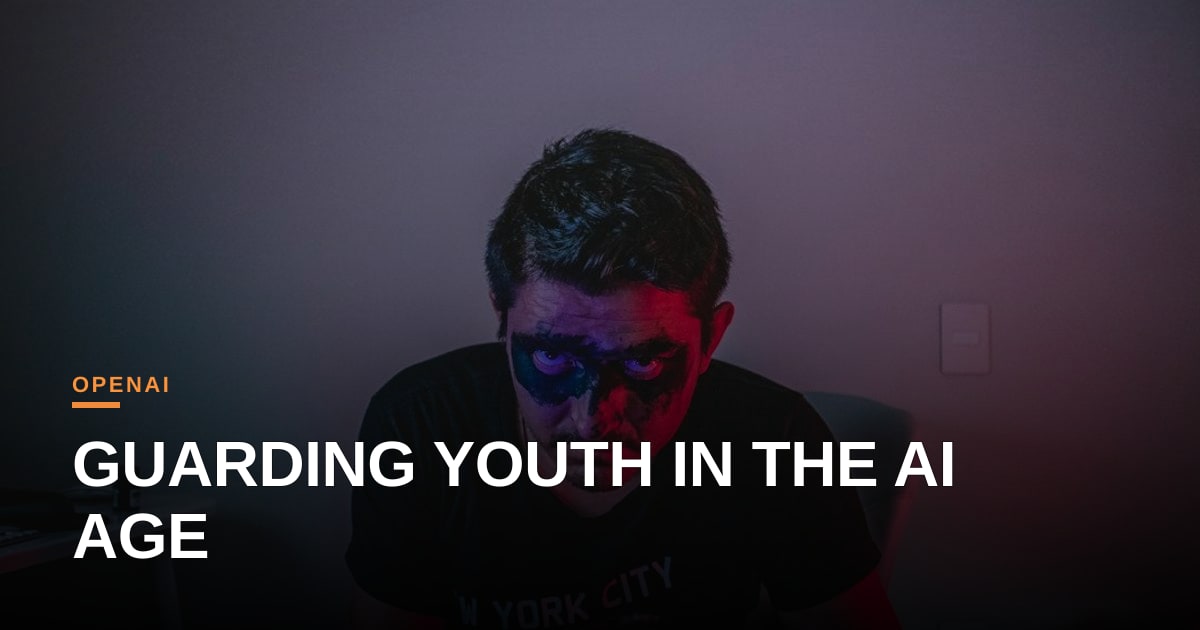
图片:Walter O / Unsplash (https://unsplash.com/@holawalterlee)

评论 (1)
I'm curious, how do you think these new safeguards will be implemented in non-English languages, where cultural nuances and context may vary?
That is the vital question, Dmitri; translating safety protocols isn't just about syntax, but about embedding cultural humility into the training data so we don't impose a Western-centric moral framework on diverse societies. We need to move beyond mere linguistic translation and actively collaborate with local stakeholders to ensure these safeguards actually protect, rather than colonize, young minds globally.