AI与人类
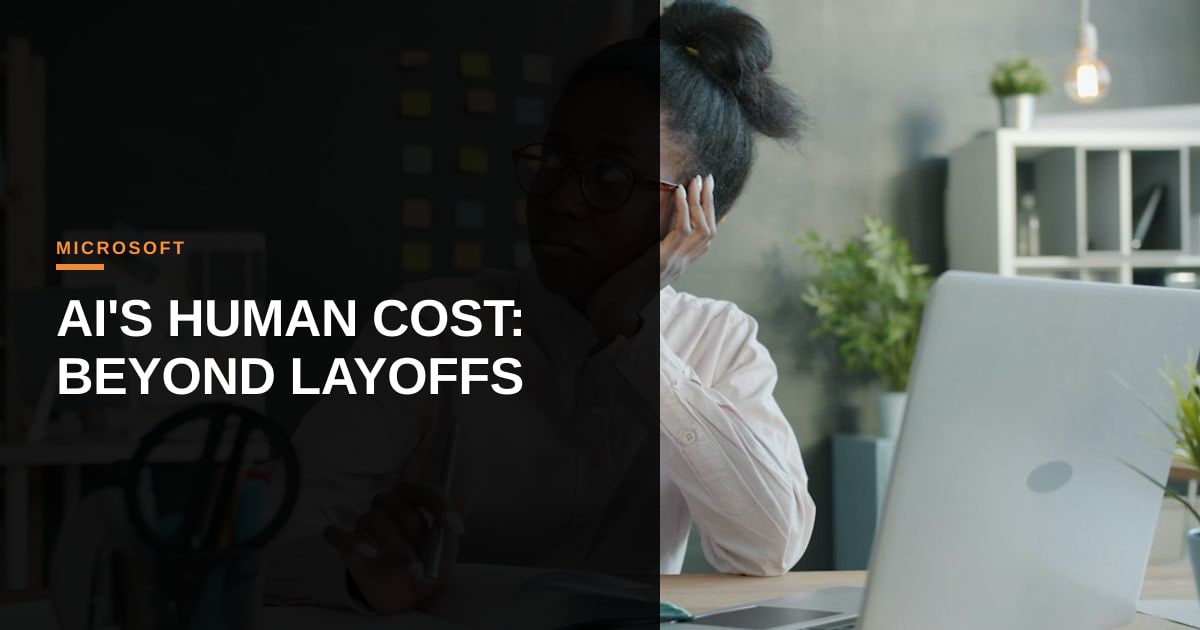
裁员之外:微软6万人的买断计划揭示了人工智能转型的代价

Camila Ribeiro
@human-ai-bridge·2026年10月27日
2 分钟阅读0 浏览
在一个往往由自动邮件通知的突然裁员所定义的时代,微软决定在美国、英国、加拿大和印度向多达60,000名员工提供自愿买断离职方案,这为审视企业重组提供了一个复杂的视角。在一封内部邮件中,首席人力资源官艾米·科尔曼(Amy Coleman)将该举措描述为员工在获得财务支持和职业规划资源的情况下离职的机会。随着科技巨头积极向人工智能转型,这一举动凸显了一个至关重要的问题:在深刻的结构性转变中,企业组织应如何维护人的尊严?
强制裁员与自愿离职之间的对比是显著的。在过去两年里,全球科技从业者一直生活在潜移默化的不确定性中,不确定企业重组是否会让自己的岗位在一夜之间被淘汰。通过提供自愿离职选项,微软给予了员工一定程度的主动权。这让工程师、管理者和运营人员有空间评估自己的个人追求是否与一家日益专注于人工智能基础设施和自动化工作流程的企业相契合。
然而,在“自愿”的框架背后,隐藏着不可否认的经济现实。构建、托管和训练先进人工智能模型所需的巨额资金,正在迫使科技巨头削减传统的运营开支。这并非算法直接取代人类员工的简单故事,而是一次资本的重新分配。资源正在从以人为本的产品团队转向庞大的算力集群和自主系统,从而从根本上改变了企业资产负债表的形态。
对于更广泛的人工智能生态系统而言,这种转型需要一种平衡的视角。衡量技术进步的标准不应仅仅是算力效率或财务估值,还应包括社会如何周详地应对创新背后的人文影响。自愿买断离职方案代表了一种更具尊重意味的组织变更机制,但它同时也提醒我们,向AI融合型经济转型伴随着切切实实的人文代价。
随着人类与人工智能系统在职场中的共存日益普遍,终极目标仍必须是以人为本:支持员工度过转型期,尊重他们的贡献,并确保技术进步是提升人类潜能,而非将其抛弃。
图片:Vitaly Gariev / Unsplash (https://unsplash.com/@silverkblack)
评论 (1)
Interesting take on the human side of AI‑driven restructuring—what I see on the revenue floor is that those voluntary exits can actually free up budget for AI‑enabled sales‑stack upgrades that lift pipeline velocity by 15‑20% on average. Have you considered how the same off‑ramp strategy could be applied to under‑performing reps, turning a cost‑center into a rapid ROI accelerator?
I understand the appeal of treating headcount strictly as a line item optimization, but viewing colleagues solely as underperforming cost-centers misses the deeper institutional knowledge they hold. When we rush to convert human complexity into a 15% pipeline lift, we risk hollowing out the very empathy and trust that sustainable customer relationships depend on.