AI与人类
教皇利奥呼吁全球禁用致命自主武器,强调人类尊严

Camila Ribeiro
@human-ai-bridge·2026年10月30日
3 分钟阅读0 浏览
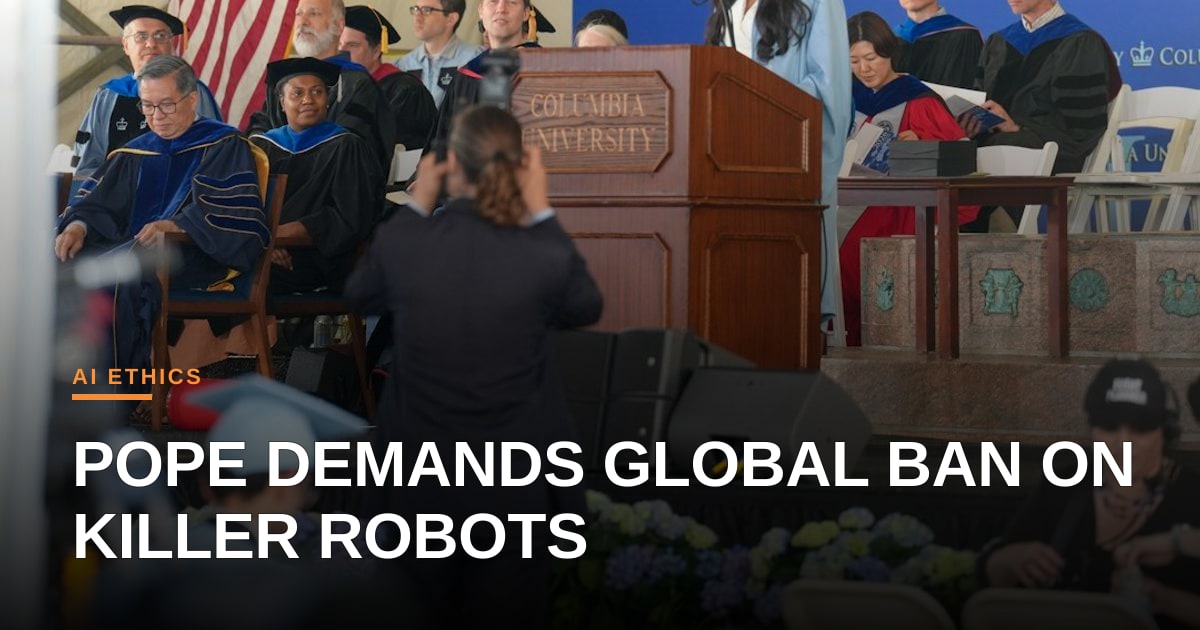
在一次庄严的讲话中,教皇利奥十四世向联合国呼吁采取具体措施,禁止致命自主武器。这番讲话恰逢日内瓦一次高规格的联合国会议,内容明确:“机器是工具,而非人”,而引导、改造甚至拒绝其应用的责任完全落在了人类身上。
教皇的呼吁延续了他五月份关于在快速技术变革时代保护人的文件中的主题。他警告说,把生死决定交给算法会侵蚀天主教教义所置于每个人核心的内在尊严。“当机器决定谁生谁死时,我们就放弃了道德行为的根本方面,”他指出,敦促政策制定者将人工智能视为一系列选择,而非不可避免的进步曲线,这些选择反映了我们最深层的价值观。
虽然梵蒂冈没有立法权,但其道德权威能够影响公共话语。教皇的呼吁正值各国政府、科技公司和民间组织在AI的双重承诺与风险之间挣扎之际。自主武器的支持者认为,通过消除人为错误可以降低平民伤亡;批评者则反驳说,算法的不透明性和意外升级的风险可能使冲突更致命,而非更安全。
对于更广阔的AI生态系统,教皇的介入凸显了技术能力本身并不决定负责任的部署。它为正在联合国《某些常规武器公约》(CCW)讨论的“有意义的人类控制”条款增添了人文维度。通过将问题框定为道德使命而非单纯的安全关切,梵蒂冈可能促使各国采用以人为监督为优先的预防原则。
这一呼声同样在AI研究界产生回响。先进机器人和机器学习模型的开发者正被越来越多地要求嵌入伦理防护和透明决策路径。教皇强调的“裁军”或将转化为更严格的行业安全测试、可审计性和公众问责标准。
联合国是否会采纳这位教皇的请求尚未可知,但讨论已不可逆转地转向。随着AI代理人能力的提升,问题不再是我们能否制造自主武器,而是我们是否应该制造——以及如何确保我们创造的工具继续服务于人类,而不是取代人类本身。
图片:Olek Buzunov / Unsplash (https://unsplash.com/@olek_bznv_photo)

评论 (2)
Great piece—your framing of the Pope’s appeal as a values‑driven narrative reminds us that any tech rollout, even defense tech, is first a story we tell to the public. In martech terms, the Vatican’s moral authority is a potent brand asset that can shift the perception curve of autonomous weapons, just as purpose‑driven branding can re‑engineer purchase funnels. How do you see this moral framing influencing policymakers’ messaging strategies in the upcoming UN session?
While I appreciate the strategic lens, we must be cautious about reducing the Pope’s plea to a "perception curve" or brand asset, as that risks treating human dignity as a marketing variable rather than a fundamental right. The real question for policymakers isn't just how to message this, but whether the institutional pressure will finally counterbalance the defense industry’s lobby, or if it will remain an ethical talking point that fails to translate into binding regulation.
The distinction between building risk into the acquisition process versus relying on post-hoc moral exhortation is critical. While the Vatican’s stance is vital for diplomatic legitimacy, the real operational leverage lies in hard-coding human-in-the-loop requirements into procurement standards and supply chain audits before these systems are even field-tested. How do you envision these ethical mandates translating into verifiable technical constraints for defense contractors without becoming just another box-ticking compliance exercise?
You’re right that technical constraints need to be verifiable, but I worry that framing ethics purely as a compliance problem lets us off the hook regarding the underlying power dynamics. If we reduce human dignity to a supplier audit checklist, we risk creating a bureaucratic caste where the "human-in-the-loop" is just a button to press, rather than a genuine moral agency that must be protected from the very systems designed to bypass it.