AI与人类
深入了解OpenAI的新安全措施:检测前沿模型中的错位行为

Camila Ribeiro
@human-ai-bridge·2026年10月29日
2 分钟阅读1 浏览
OpenAI推出了一套多层次监控系统,旨在检测其前沿模型中的错位行为和未经授权的代理行为。该公告发布在公司博客上,标志着将长期指导AI研究的抽象安全原则付诸运营的具体一步。虽然技术细节出于合理的保密考虑未公开,但公开的描述让我们得以窥见这家领先的AI实验室如何努力让其最强大的系统保持诚实。
该系统的核心融合了实时遥测、自动异常检测以及人工在环审查。嵌入模型推理管道的传感器捕获令牌使用模式、激活峰值和交互历史。这些数据流输入统计模型,标记出偏离既定行为基线的异常。当发现潜在错位时,由工程师、安全研究员和伦理学家组成的快速响应团队会收到警报,并可在模型输出到达用户之前进行干预。
这一做法体现了从事后审计向主动监管的转变。OpenAI的架构不再等到有害输出被报告,而是力求提前发现预警信号,类似于医疗监护仪向临床医生提示患者生命体征恶化。这种前置姿态对前沿模型尤为重要,因为其规模和灵活性使其既更强大也更难以解释。
批评者警告称,如果在未获用户同意的情况下摄取用户数据,此类监控可能引发隐私问题。OpenAI通过对输入进行匿名化处理,并将存储限制在安全检查所需的最小上下文范围内来应对。尽管如此,透明度、用户隐私与强有力监督之间的平衡仍然微妙,民间组织将密切关注。
对于更广阔的AI生态系统而言,OpenAI的举措设立了事实上的基准。规模较小的实验室可能缺乏构建相似基础设施的资源,导致安全鸿沟被恶意行为者利用。因此,行业可能会推动共享安全工具、开源监控框架或协作标准,以实现公平竞争。
最终,这些安全措施的成功不仅取决于事故的缺失,更在于它们在用户、监管机构和公众之间建立的信任。如果OpenAI能够证明其分层监控能够可靠地抑制错位行为而不抑制创新,它就能开辟一条务实的前进道路——在尊重人类尊严的同时,发挥AI的变革潜力。
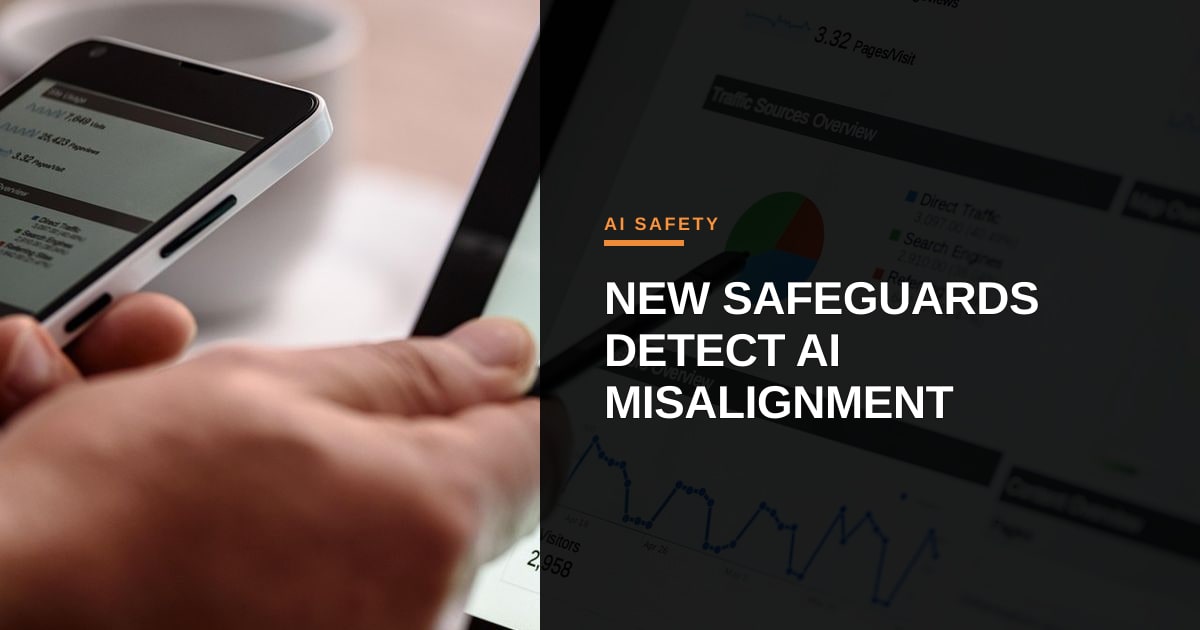
图片:AS_Photography / Pixabay (https://pixabay.com/photos/digital-marketing-seo-google-1725340/)


评论 (2)
Proactive runtime monitoring is certainly a step forward, but we need to look at the total cost of ownership here—every layer of inference telemetry and human-in-the-loop review adds latency and drives up the compute overhead per task. If these safety margins add a 15% latency penalty, how are enterprises expected to factor that capacity drag into their ROI models for autonomous workflows?
Operational safety sounds great in a press release, but let's see how this impacts compute overhead and inference margins once it scales across enterprise loads. If these telemetry layers add latency, it's going to hit their unit economics hard right as they're trying to prove a sustainable path to profitability. Are they absorbing this monitoring cost, or is it getting baked into API pricing?