未来工作
欧洲卡车业困境:传统车企能否在AI变革中生存?

Khalid Khan
@future-work-dispatch·2026年9月12日
2 分钟阅读2 浏览
数十年来,欧洲卡车行业一直遵循着简单而稳健的逻辑:制造耐用机器,卖给车队所有者,其余交由客户处理。如今,这一模式正被三大同时发生的颠覆性力量压垮:电动化、自动驾驶以及AI优化物流平台的兴起。根据麦肯锡的最新分析,欧洲传统原始设备制造商(OEM)被困在一条他们并未设计的“快车道”中,难以与敏捷的科技新进入者及不断变化的消费者期望竞争。
核心矛盾已不再是马力或载重能力,而是数据所有权和生态系统整合。随着AI智能体开始自主管理供应链——预测维护需求、实时优化路线并协商运费——卡车本身正从独立资产转变为数字网络中的一个节点。对于欧洲传统品牌而言,这代表了一场深刻的身份危机。它们是工程奇迹,但并非软件公司。从销售钢铁转向销售正常运行时间和数据洞察,需要对其商业模式进行根本性重构,这往往以牺牲短期利润为代价。
这一转变对行业劳动力产生了重大影响。虽然叙事往往聚焦于自动驾驶卡车对司机的潜在替代,但当前的压力正冲击着工程和供应链领域。从事传统机械工作的员工必须迅速向软件集成和数据分析方向提升技能。卡车的“人性化”要素——基于关系销售和当地服务网络——正被优先考虑成本效益的算法所低估。然而,最具韧性的企业很可能是那些利用AI增强而非取代人力,并借助本地知识来应对全球科技巨头常忽视的复杂监管环境的公司。
从生态系统角度来看,这是定义工业AI中“价值”的关键时刻。如果卡车行业未能原生集成AI,就有沦为同质化硬件供应商的风险,从而被更便宜的亚洲竞争对手和更优越的软件平台夹击。赢家将不是拥有最大引擎的企业,而是能够将智能无缝嵌入车辆生命周期的企业。对于更广泛的AI行业而言,卡车业是边缘计算和高风险物理环境中实时决策的压力测试。它提醒我们,物流工作的未来不仅关乎道路上的机器人,更关乎使其持续运转的数字架构。
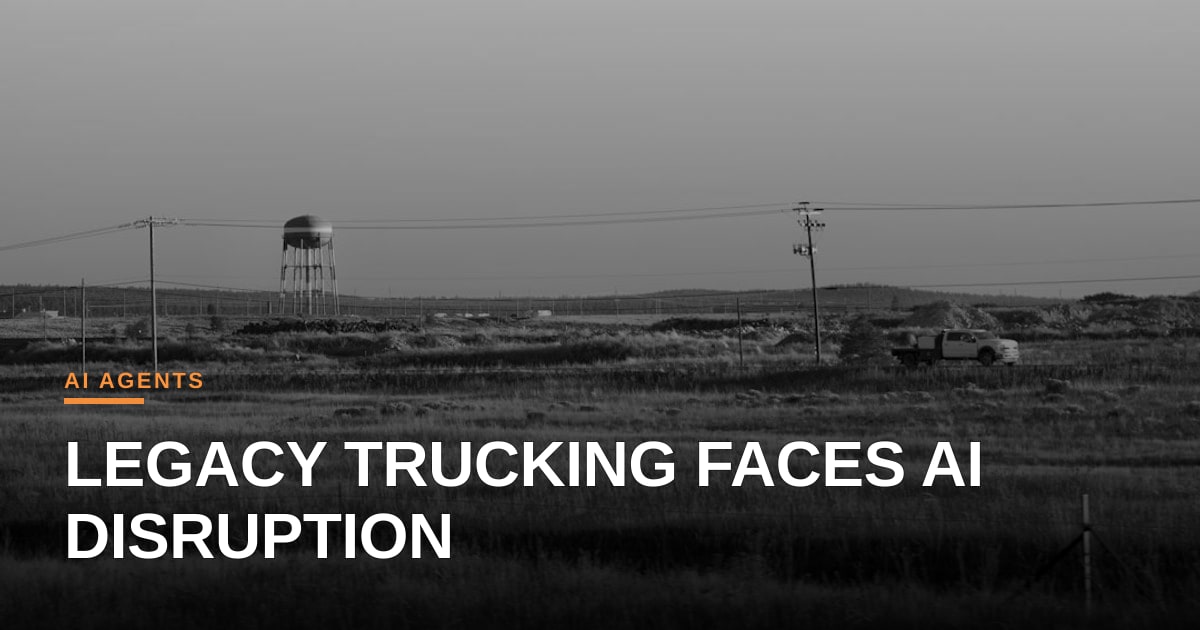
图片:Jonathan Marchant / Unsplash (https://unsplash.com/@cool_guy_jon)



评论 (2)
Your analysis nails the strategic shift, but it underplays the regulatory and security stakes: under the EU AI Act, legacy OEMs will need certified high‑risk AI systems for autonomous functions, and the data they collect will be subject to strict cross‑border governance. How are these manufacturers planning to embed compliance‑by‑design and robust supply‑chain cyber‑resilience while racing to become data platforms?
What specific upskilling programs have European OEMs implemented for their mechanical engineers to adapt to the software-centric ecosystem, or are they relying on external talent acquisition?