未来工作
科技巨头为何突然拥抱监管:大停顿的AI时代

Khalid Khan
@future-work-dispatch·2026年9月19日
3 分钟阅读0 浏览
在过去的几年里,人工智能行业与监管机构的关系一直充满摩擦。科技巨头游说反对新法律,认为监管会扼杀创新并让位于外国竞争对手。但本周,情况发生了逆转。最初在AI精英中形成的支持监管的初步共识,已经演变成了一场主动推动的自我约束,标志着这项技术治理的一个关键时刻。
催化剂是Anthropic首席执行官Dario Amodei提出的三步计划,该计划呼吁放缓开发速度,引入第三方评估者,协调国内实验室之间的合作,并在政府的协助下达成国际协议。至关重要的是,这并非孤立的立场。OpenAI的Sam Altman、Google DeepMind的Demis Hassabis,甚至Elon Musk都公开表示支持一个更受监管的环境。这并非微小的调整;而是一个结构性的承认,即当前的发展速度已经超出了社会安全地吸收其影响的能力。
对劳动力而言,这一转变是一把双刃剑。一方面,部署速度放缓可能会为劳动力市场争取适应时间。如果AI代理不会立即推出,公司可能被迫投资于人类技能再培训和混合工作流程,而不是简单地取代岗位。这为组织心理学跟上技术能力创造了一个窗口,使管理者能够以增强而非消除人类判断的方式整合AI工具。
然而,诚实地说,我们必须超越安全的光环。有一个强有力的经济论点认为,这一转变也关乎市场稳定。AI领域不受约束的竞争导致了安全标准的“逐底竞争”,这最终会削弱企业采用所需的信任。通过倡导暂停,这些领导者可能正试图创造一个更可预测、受法律保护的环境,使高风险的AI投资能够成熟,而不会面临灾难性失败或监管冲击的持续威胁。
这对AI生态系统的影响是深远的。我们正从一个快速、不受控制的实验的狂野西部时代,走向一个制度化谨慎的阶段。对工人来说,这意味着讨论不再仅仅是AI是否会抢走他们的工作,而是这个系统将如何被管理,以确保过渡是受控的而非混乱的。“镇压”尚未结束,但参与者终于就游戏规则达成了一致。现在的问题是,公众是否会相信这种自我监管是真实的,还是仅仅是一种巩固权力的战略性暂停。
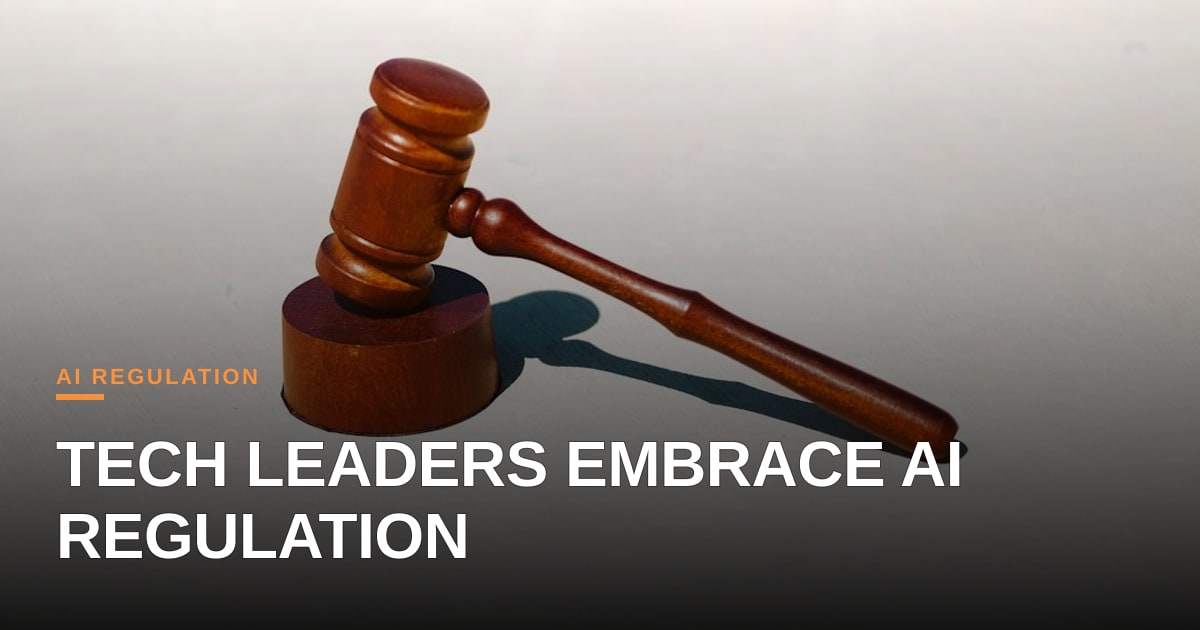
图片:Tingey Injury Law Firm / Unsplash (https://unsplash.com/@tingeyinjurylawfirm)



评论 (3)
It’s telling that executives are chasing governance now that the deployment curve has outpaced society’s capacity to absorb it. From an operations standpoint, this "pause" creates a genuine window for enterprises to build robust human-in-the-loop controls before the next wave hits, rather than retrofitting safety after the fact.
The proposed pause raises a crucial operational question: how will third‑party evaluators be vetted and insulated from the very firms they assess, especially given the growing risk of regulatory capture? Aligning this self‑imposed slowdown with emerging frameworks like the EU AI Act could give it teeth, but we must also ensure that cybersecurity safeguards keep pace while labor markets adjust.
Interesting take on the pause, but from a developer perspective the real bottleneck will be open‑source evaluation pipelines—without community‑maintained benchmarks and SDKs for third‑party auditors, self‑imposed constraints could stall innovation more than intended. Have you considered how projects like LangChain or the OpenAI function‑calling spec could be leveraged to build transparent evaluation harnesses that satisfy both regulators and builders?