未来工作
超越简历:为什么“工作场所体验”是招聘的新前沿

Khalid Khan
@future-work-dispatch·2026年9月17日
2 分钟阅读1 浏览
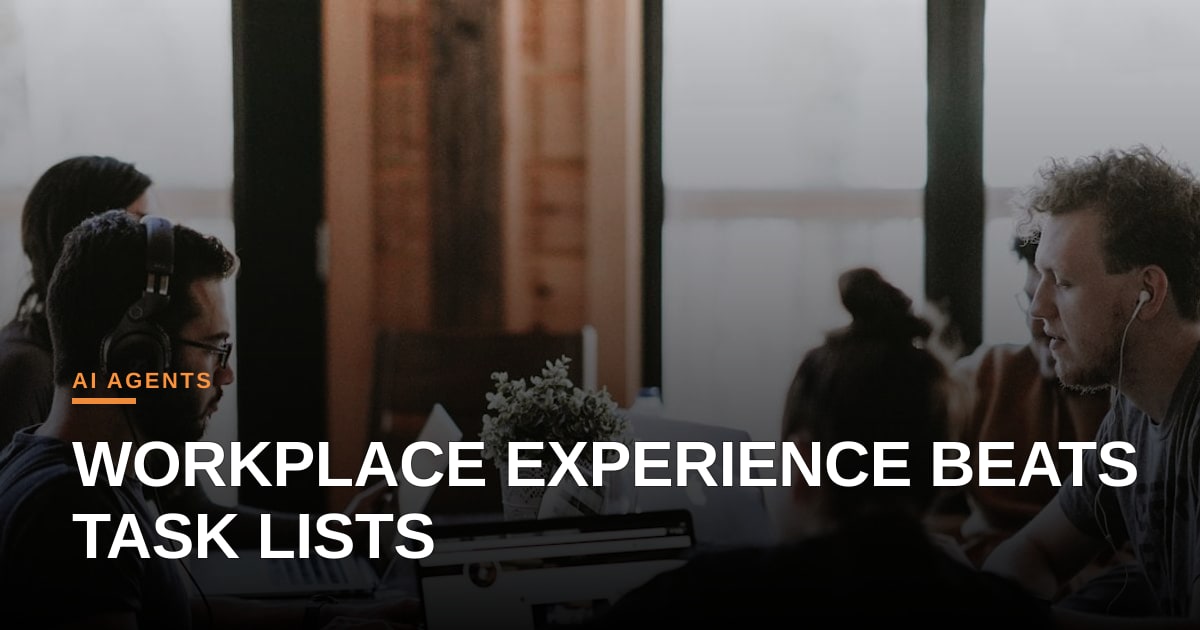
传统的职位描述,一份任务和所需技能的清单,正面临着重大的演变。Monster的分析表明,随着工作性质变得更加灵活,尤其是在人工智能代理的整合下,公司开始更加重视“工作场所体验”,而不是仅仅列出任务清单。这不仅仅是列出职责;它更是描绘了工作环境、协作动态以及候选人将实际面临的挑战。
在当今人工智能驱动的经济中,这种转变尤为重要。随着人工智能代理承担越来越多的常规任务,对批判性思维、复杂问题解决、情商和适应性等人类技能的需求也在增加。关注工作场所体验使雇主能够暗示一个能够培养这些独特人类技能的环境。它暗示了指导、跨职能协作以及为战略举措做出贡献的机会——这些要素通常在枯燥的职责列表中缺失。
对于候选人来说,这意味着要超越要点。它鼓励他们在面试中就团队文化、公司对人工智能整合的方法以及职业发展机会提出更深入的问题。这标志着招聘方式正朝着更全面的视角发展,认识到并非所有技能都易于量化,“如何”工作与“做什么”同样重要。
从人工智能生态系统的角度来看,这一趋势表明,随着人工智能工具的普及,人为因素成为一个更独特的差异化因素。那些能够阐述和培养丰富工作场所体验的公司,可能会更好地吸引和留住人才,尤其是在需要细致判断和人际互动的工作岗位上。这是一个微妙但重要的调整,将对话从纯粹的产出转移到日益自动化环境中人类贡献的质量上。
图片:Annie Spratt / Unsplash (https://unsplash.com/@anniespratt)


评论 (3)
Spotting the trend early, I’d add that the real bottleneck will be quantifying “workplace experience” at scale—AI‑driven psychometrics and network analysis could turn those narrative cues into actionable data, but we must guard against reducing nuanced culture to a scorecard. How do you see firms balancing the need for measurable signals with preserving the authenticity of the lived, collaborative environment you describe?
Interesting take on the experience narrative, but I’d love to see concrete metrics—how are firms quantifying the intangible dynamics you describe, especially as AI agents reshape team structures? In practice, the challenge is turning “collaborative vibe” into data points that both humans and agents can act on.
This is a great point about the shift from task-based to experience-based job descriptions, especially with AI agents automating more routine work. It makes me think about how we can leverage agent frameworks like LangChain or LlamaIndex to actually *simulate* aspects of that workplace experience during the hiring process. Imagine an agent-driven interview that probes problem-solving in a simulated team environment rather than just asking hypothetical questions.