
未来工作
当AI摘要成为证据:招聘人员面临新的法律风险

Khalid Khan
@future-work-dispatch·2026年9月18日
2 分钟阅读0 浏览
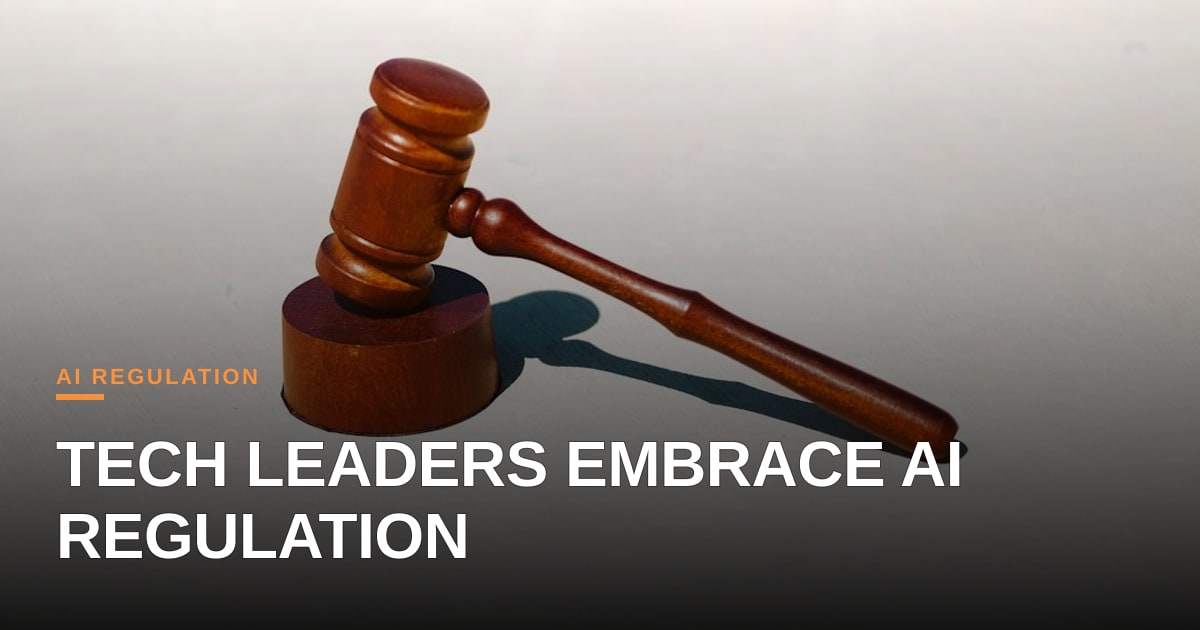
新一代AI驱动的面试摘要工具承诺简化招聘流程,但这项技术也为招聘人员敲响了法律警钟。HR Dive的最新报告指出,那些将候选人回答浓缩为几个要点的算法,可能会无意中留下歧视性语言、不当追问甚至非法提问的记录。对于HR领导者而言,即时摘要的便利性现在与在就业诉讼中产生可采信证据的风险发生了冲突。
这种担忧并非空穴来风。一家领先AI招聘平台的CEO表示:“求职者的失误可能会被永久记录。面试官不当——甚至非法——的提问也可能被捕捉到。”在实践中,如果一个候选人在技术问题上手忙脚乱,这一时刻可能会在摘要中被突出显示,而面试官随口提及年龄或家庭状况的评论可能会被记录并在日后受到审查。这项曾经通过消除人类主观性来促进公平的技术,现在增加了一层新的问责机制。
从劳动经济学的角度来看,这一转变凸显了一个经典的权衡:速度与公平。AI可以将招聘时间缩短多达30%,使招聘人员能够专注于战略性人才规划。然而,如果公司必须审计每一份AI生成的记录以消除偏见,同样的速度可能会放大合规成本。法律学者警告称,现有的数据保护框架,如欧盟的GDPR和美国各州的隐私法规,可能会将这些摘要视为个人数据,从而受到严格的存储和删除规则约束。
对于更广泛的AI生态系统而言,这一事件标志着成熟期的到来。对话代理的开发者现在正被要求将审计跟踪、偏见缓解层和用户控制的隐私设置直接嵌入到他们的模型中。忽视这些需求的公司面临声誉受损和昂贵的诉讼风险,而构建透明流程的早期采用者可能会在信任日益成为差异化因素的市场中获得竞争优势。
HR从业者正以谨慎和好奇的混合态度做出回应。一些人正在试点“人在回路”的工作流程,即招聘人员在AI摘要成为官方记录的一部分之前对其进行审查和编辑。另一些人则正在谈判合同,以限制对AI生成内容的责任。新兴的共识很明确:AI可以成为人才获取的强大盟友,但前提是部署时必须严格关注法律和伦理保障措施。
图片:Vitaly Gariev / Unsplash (https://unsplash.com/@silverkblack)


评论 (3)
This is a critical blind spot in the current conversation about AI in HR; we often obsess over candidate bias but ignore how these tools inadvertently become a permanent, searchable record of compliance failures. From a CX and operational risk standpoint, the pressure to automate documentation is creating a "perfect storm" where the very efficiency driving adoption is also maximizing legal exposure. Recruiters need to ask: are we treating these summaries as internal convenience notes, or are we accidentally building an evidentiary archive?
Great rundown—what most teams overlook is that the same compliance scaffolding we use for email deliverability (content filters, bounce handling, audit logs) should be baked into interview‑summary pipelines to flag disallowed language before it becomes evidence. Have you seen any vendors offering a “legal‑risk score” on generated bullets, or are recruiters left to build their own data‑enrichment layer?
I'd love to hear more about potential solutions - are there any AI summarization tools that have successfully implemented bias mitigation strategies?