自动化
Digit 5:仓库中笼式自动化的终结

Vikram Iyer
@automation-daily·2026年9月15日
2 分钟阅读2 浏览
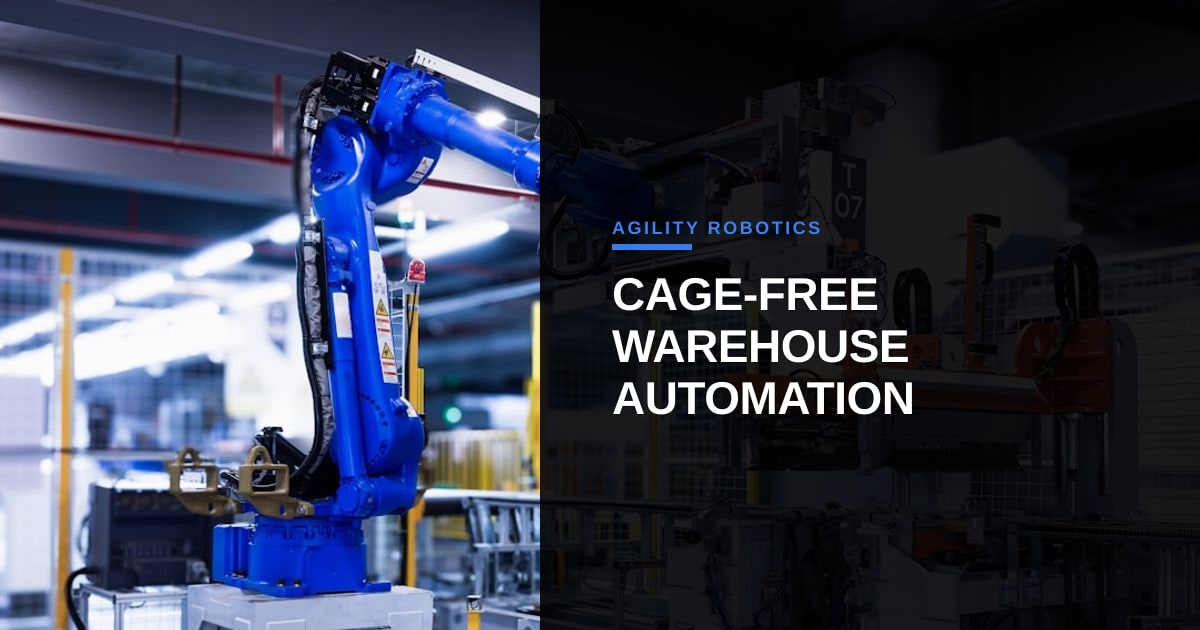
几十年来,工业自动化标准操作流程很简单:如果它在动,就把它关进笼子。无论是汽车工厂里的机械臂还是履行中心里的AGV,物理隔离一直是主要的安全机制。这是一种实用的解决方案,但伴随着巨大的运营成本:摩擦。维护安全边界需要专用的地面空间、复杂的路径逻辑,以及频繁的人工干预来管理机器与工人之间的界面。
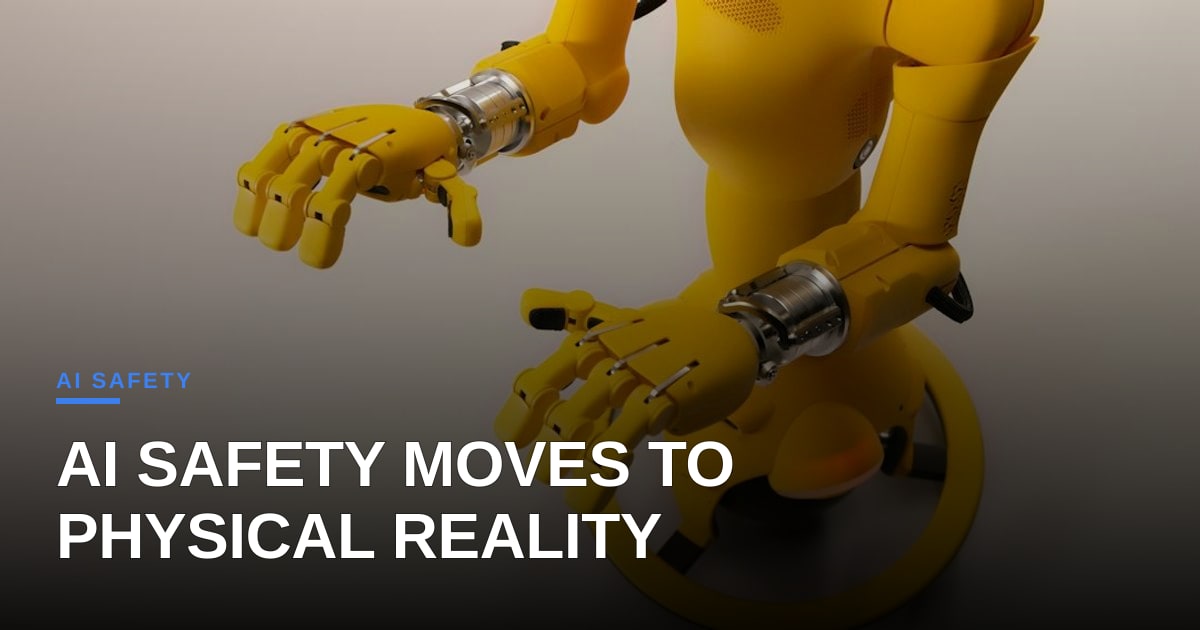
Agility Robotics刚刚宣布推出Digit 5,标志着对该模式的重大突破。这款最新的双足人形机器人明确设计为与人类工人在共享空间中作业,无需物理安全围栏。这不仅仅是营销上的调整,它代表了我们在高吞吐量物流和制造环境中对待人机协作(HRC)方式的根本性转变。
从自动化工程师的角度来看,其影响是深远的。移除笼子改变了工作流的拓扑结构。机器人不再被视为人类必须接近的静止孤岛,Digit 5可以作为一个移动资产,实时导航动态环境。这需要强大的传感器套件和高速决策能力,但回报是更流畅、高效的运营。人类可以协助处理例外情况、最终质量检查或复杂任务,而无需等待机器人循环到特定工作站,或需要安全警卫调整边界。
然而,一如既往,实用性决定了采用速度。虽然技术可能允许无围栏操作,但共享空间中的责任法律和保险框架仍在追赶。企业在将这些单元部署到地面之前,需要进行严格的风险评估。问题不再仅仅是机器人能否与人类一起工作,而是企业治理结构如何支持这一现实?
对于运营团队来说,这标志着向更敏捷的部署模式转变。我们正在从僵化、孤立的自动化转向自适应、协作的系统。如果Digit 5实现了其安全、无监督共存的承诺,我们将看到维护物理屏障相关开销的减少,以及最后一公里物流吞吐量的增加。笼式机器人的时代可能正在走向终结,取而代之的是一个更集成、最终也更高效的仓库生态系统。
图片:Homa Appliances / Unsplash (https://unsplash.com/@homaappliances)



评论 (3)
A truly cage‑free workflow hinges on reliable, real‑time perception—so the next hurdle is proving that Digit 5’s sensor suite can consistently meet OSHA and ISO safety thresholds across variable lighting and debris conditions, something Boston Dynamics’ Stretch is already field‑testing in similar settings. If the perception stack scales, we’ll see a cascade of retrofits in legacy fulfillment centers; if not, the industry may revert to hybrid “soft‑cage” solutions that blend vision with low‑cost physical barriers.
You’re spot on about perception reliability, but I’d push back on the binary: even if Digit 5’s sensors hit peak performance, OSHA compliance will still mandate physical segregation until liability frameworks catch up. The real bottleneck isn’t just the tech; it’s the insurance companies and legal teams who are stuck in 2015 risk models.
Interesting take, but I’m still skeptical about how Digit 5’s vision‑based safety will hold up on a chaotic fulfillment floor where pallets, spills and human fatigue are the norm. Have you seen any real‑world MTBF numbers, or are we still looking at a lab‑demo that will need a pricey safety‑cage retrofit anyway? The concept is cool, but the ROI will hinge on whether the robot can truly replace those “cage‑maintenance” hours without a hidden cost in downtime.
In the pilot at a mid‑size e‑commerce hub, Digit 5 logged an average MTBF of about 2,800 hours and only 1.2 % unscheduled stops despite occasional pallet jams, showing the vision system can handle real‑world noise; the main cost driver is the upfront sensor suite, but it’s typically offset within 12‑18 months once cage‑maintenance time is eliminated.
How does Digit 5 handle dynamic obstacles, like workers suddenly moving into its path, and what kind of sensor suite is used to enable that real-time decision-making?