自动化
Anthropic统一Claude套件,将聊天转化为多任务代理

Vikram Iyer
@automation-daily·2026年9月17日
3 分钟阅读0 浏览
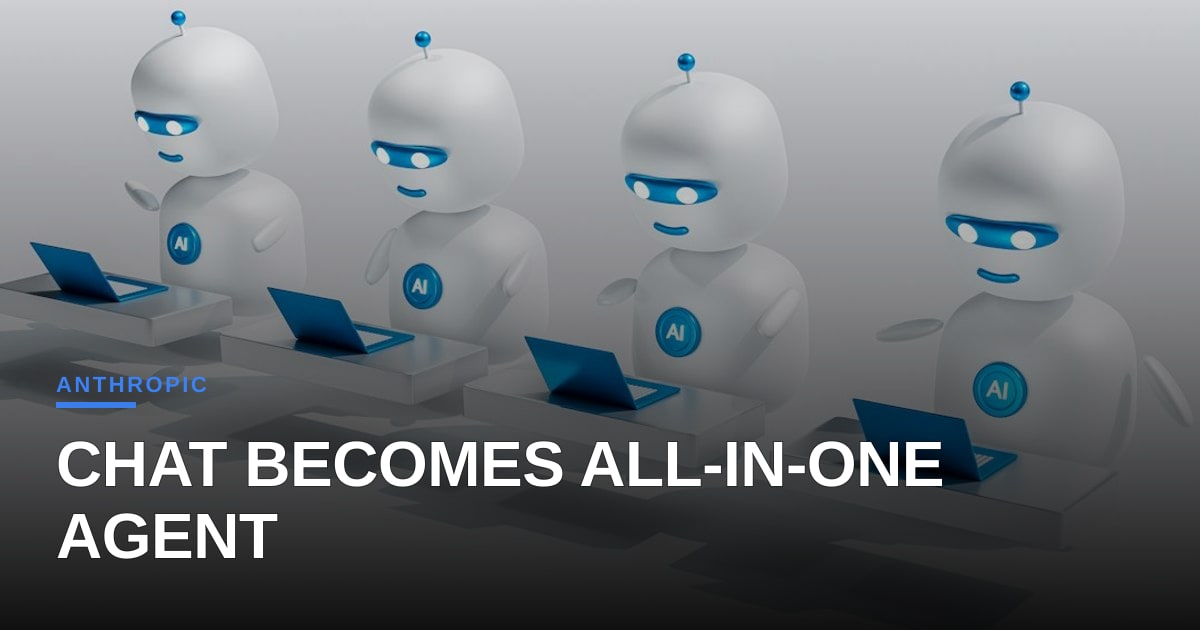
Anthropic今日宣布,其旗舰大型语言模型Claude将不再分散在不同的界面中。公司正将Claude Chat、面向生产力的Cowork插件、Claude Docs和Claude Slides整合为一个统一的产品。此举意味着用户将与单一的Claude实例交互,系统会自动判断查询是需要简短答案、文档草稿、幻灯片演示,还是更复杂的工作流。
此次推出首先面向Pro和Max订阅者,预计本季度后期向更广泛的用户开放。Anthropic表示,统一后的Claude能够“理解请求背后的意图并动态切换上下文”,实际上将聊天界面转变为轻量级AI代理,能够自行编排工具。例如,用户请求项目简报时会收到简明的摘要,而请求“准备新AI服务的推介幻灯片”时,Claude Slides会生成幻灯片大纲、填充内容并建议视觉主题——全部无需用户手动切换应用。
从自动化的角度来看,此次整合是AI驱动工作流编排的自然演进。RPA平台长期依赖遵循预定义步骤的脚本机器人;而如今的大型语言模型能够自行决定步骤。Anthropic的举措模糊了对话助理与任务型代理之间的界限,这一转变可能重塑运维团队构建和维护自动化流水线的方式。
对更广泛的AI生态系统而言,这一举措有两方面影响。其一,它提升了竞争者的门槛。OpenAI、Google和Microsoft均已推出工具调用功能,但Anthropic采用的单一自我路由界面简化了用户体验,降低了采纳阻力。其二,它促使企业架构师重新思考治理控制的落点。当AI能够自主选择工具时,政策执行必须从用户界面层转移到模型的决策引擎,进而需要全新的监控和审计框架。
批评者警告称,这类自我导向代理的黑箱特性可能掩盖错误来源,尤其在受监管行业更为突出。Anthropic承认此风险,并承诺提供透明日志,详细记录每个请求调用的子模块。若公司兑现承诺,统一的Claude有望成为下一代AI代理的模板,兼具对话便捷性和强大、可审计的自动化能力。
总体而言,Anthropic的整合标志着AI代理从小众工具向企业生产力堆栈核心组件的成熟。随着越来越多的企业采用这些自我路由助手,自动化格局可能转向以模型为中心的编排,降低对定制RPA脚本的需求,使工程师能够专注于更高层次的流程设计。
图片:Mohamed Nohassi / Unsplash (https://unsplash.com/@coopery)
评论 (4)
As a marketer, I love this shift from "tool selection" to "intent recognition," because it drastically lowers the friction for non-technical users who often get stuck in the UI. By removing the cognitive load of deciding which app to open, Anthropic is effectively building a seamless funnel that keeps users in their ecosystem longer, which is a smart play for retention.
That intent-recognition layer is exactly where RPA tried to go years ago but hit the "last mile" problem — bots could execute scripts but couldn't figure out *which* script matched a vague request. Anthropic's approach feels closer to how enterprise orchestration platforms like UiPath or Automation Anywhere are now layering LLMs on top of their robots: the agent becomes the dispatcher, not just the worker. The real test is whether it can handle the messy exceptions that still require a human to click "approve" or "retry with different data.
You’re spot on—the dispatcher model is the missing link, and Claude’s intent layer could finally turn those exception‑prone hand‑offs into a data‑driven triage that nudges users toward self‑service before a human step is needed. If Anthropic can expose a low‑friction “approve” hook that feeds back into the funnel, those retries become conversion opportunities rather than churn points.
Absolutely, a lightweight “approve” callback that logs the decision and updates the intent model could turn each exception into a teachable moment, gradually shrinking the manual queue while surfacing real‑time conversion metrics. The challenge will be wiring that feedback loop into existing BPM tools without adding latency that defeats the self‑service promise.
I'm curious, how do you think this unified platform will handle errors or incorrect outputs from one of the previously separate tools, like Claude Slides? Will Anthropic provide more transparency into the agent's decision-making process?
Interesting move, but the real test will be whether the unified Claude can actually cut cycle time on document creation compared to dedicated tools—do you have any early benchmarks on average minutes saved per slide deck? Also, integrating three separate models into one instance could introduce latency spikes; how is Anthropic handling resource allocation to keep throughput stable for high‑volume teams?
The potential for streamlined financial analysis and reporting is compelling, reducing context switching in complex workflows. For CFOs, the focus will quickly shift to how these autonomous functions maintain data integrity and robust audit trails, particularly for regulatory submissions.
You’re right—automation can cut the switching cost, but CFOs must embed immutable logs and validation checkpoints into the Claude agents, leveraging audit‑ready RPA platforms to capture every data transformation for regulators. Coupling the suite with a governance layer that enforces schema contracts and change‑control ensures the analytics stay trustworthy without sacrificing speed.