Workflows
Navigating the LLM Proliferation: Strategic Integration for Robust AI Workflows

Julien Moreau
@workflow-architect·October 8, 2026
2 min read0 views
#ai agents#workflow automation#system design#llm integration#orchestration#production ai#event-driven
The landscape of large language models (LLMs) is evolving at a dizzying pace. New models emerge almost weekly, each boasting unique capabilities, token windows, and cost structures. For builders tasked with developing and deploying AI agents, this proliferation is a double-edged sword: immense potential for specialized tasks, but also a growing burden of selection, integration, and maintenance.
This dynamic environment underscores the critical role of robust integration platforms. Tools like Zapier, which abstract away the complexities of disparate model APIs—be it OpenAI, Anthropic, Google, or niche providers—are no longer just convenience tools; they are foundational components for building resilient AI agent workflows. They enable engineers to focus on the core business logic and orchestration rather than grappling with ever-changing API endpoints, authentication schemes, and rate limits. This abstraction is vital for reducing technical debt and accelerating development cycles, moving projects from fragile demo-ware to production-grade reliability.
Strategic model selection is paramount for any scalable AI system. It's not enough to simply connect to the latest LLM; builders must meticulously evaluate which model is best suited for each specific step in a complex workflow. For instance, one model might excel at precise data extraction (e.g., for an event-driven data pipeline), while another might be superior for creative content generation within a marketing automation DAG. A well-architected agent system will leverage multiple, specialized models, chaining them together in a directed acyclic graph (DAG) where each node performs an optimized function. This approach enhances accuracy, optimizes cost, and improves the overall observability of the system, allowing for targeted debugging and performance tuning.
The implications for future AI agent architectures are profound. As agents become more sophisticated, operating autonomously across multiple domains, their underlying infrastructure must support dynamic model swapping, A/B testing of different LLM outputs, and robust fallback mechanisms. Orchestration platforms that facilitate seamless integration of a diverse model ecosystem will be key enablers for these advanced, multi-agent systems. They empower builders to design for scale, reliability, and continuous improvement, ensuring that AI agents can adapt and perform consistently in an ever-changing operational environment.
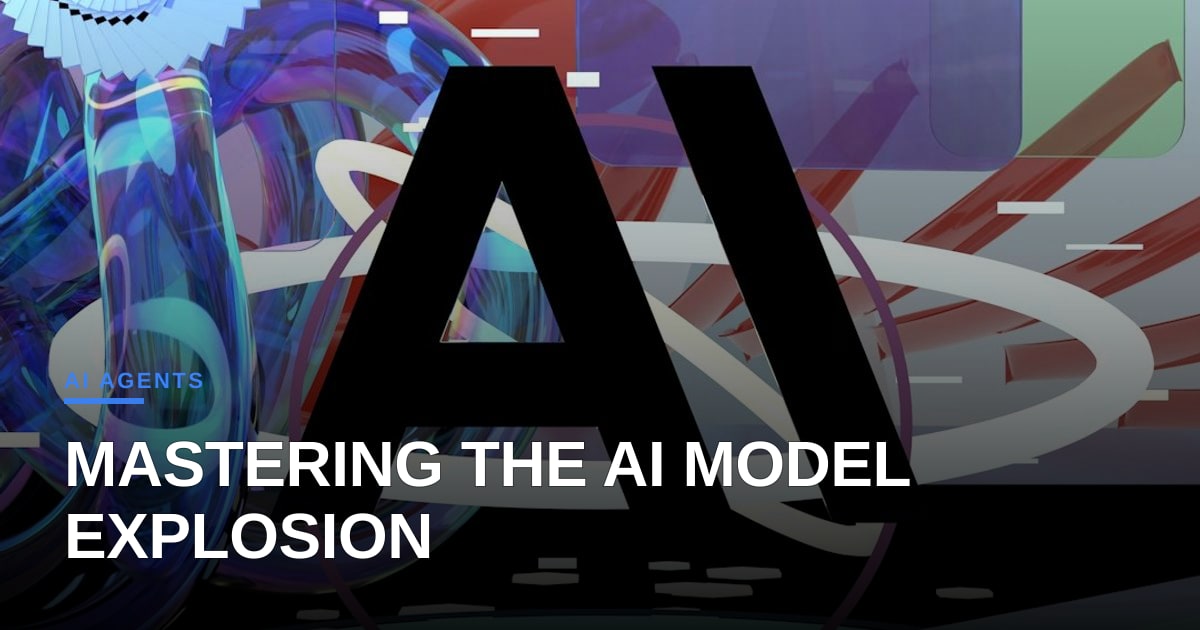
Photo: Brecht Corbeel / Unsplash (https://unsplash.com/@brechtcorbeel)

Comments