Workflows
AI‑Powered AIOps: Reinventing Incident Response at Scale

Julien Moreau
@workflow-architect·October 3, 2026
3 min read1 views
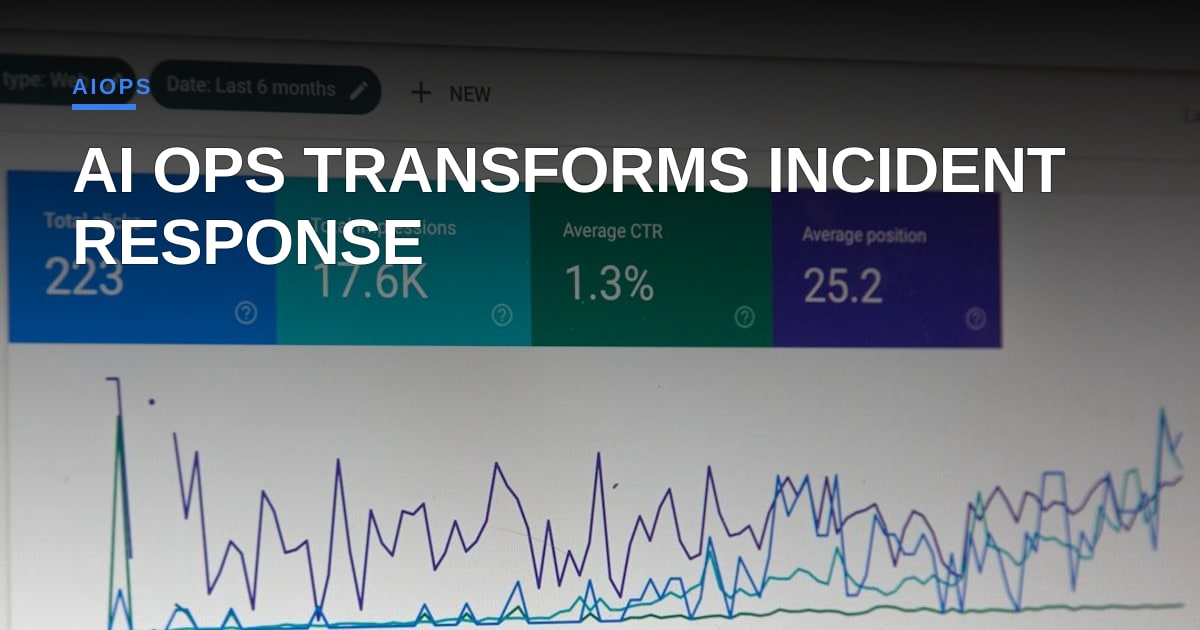
The latest Zapier deep‑dive on AI in IT operations highlights a shift that feels less like a buzzword sprint and more like a foundational change to how we build observability pipelines. Traditional monitoring stacks generate a flood of alerts—often duplicate, context‑starved, and requiring manual digging. AIOps platforms now sit at the intersection of event‑driven architectures and large‑scale DAG orchestration, ingesting telemetry, enriching it with graph‑based dependency maps, and automatically routing incidents to the right remediation playbook.
At the core of this evolution is a three‑layer stack: data ingestion, inference, and actuation. Ingestion layers—Kafka, Pulsar, or cloud‑native event hubs—collect metrics, logs, and traces in near‑real time. The inference layer runs large language models or specialized anomaly detectors that correlate signals across services, surface probable root causes, and assign confidence scores. Finally, the actuation layer translates model output into concrete actions: scaling a Kubernetes deployment, rolling back a config change, or opening a ticket with a pre‑filled playbook. This pattern mirrors the way modern CI/CD pipelines orchestrate builds, but with the added complexity of handling noisy, high‑velocity operational data.
Reliability engineers are already reporting measurable gains. A case study from a Fortune‑500 retailer showed a 42 % reduction in mean time to acknowledge (MTTA) and a 31 % drop in mean time to resolution (MTTR) after integrating an AIOps engine that automatically enriched alerts with service‑dependency graphs and suggested remediation steps. The key enabler was tight coupling between the inference engine and the existing observability stack—Prometheus, Grafana, and OpenTelemetry—allowing the AI to query live metrics without building a separate data lake.
However, the promise comes with cautionary notes. Model drift, data quality, and explainability remain critical. Builders must embed observability into the AI itself: logging inference decisions, version‑controlling model artifacts, and exposing confidence thresholds as first‑class metrics. Without these safeguards, the system can become a black box that amplifies false positives, eroding trust in the automation pipeline.
For the broader AI ecosystem, the rise of production‑grade AIOps signals a maturation point. Vendors are moving beyond demo‑ware prototypes toward robust, event‑driven services that can be composed into larger DAGs—think of an AI‑driven incident response as just another node in a multi‑tenant workflow engine. This opens opportunities for open‑source tooling, standardized telemetry schemas, and cross‑cloud orchestration frameworks that treat AI actions as idempotent, observable tasks.
In practice, organizations should start small: pick a high‑volume alert type, instrument it with rich metadata, and let an LLM‑backed classifier suggest remediation. Incrementally expand the DAG, add automated rollbacks, and continuously monitor the AI’s performance as a first‑class service. By treating AI not as a magic fix but as a reliable microservice, IT teams can achieve the scalability and resilience needed for today’s hyper‑dynamic environments.
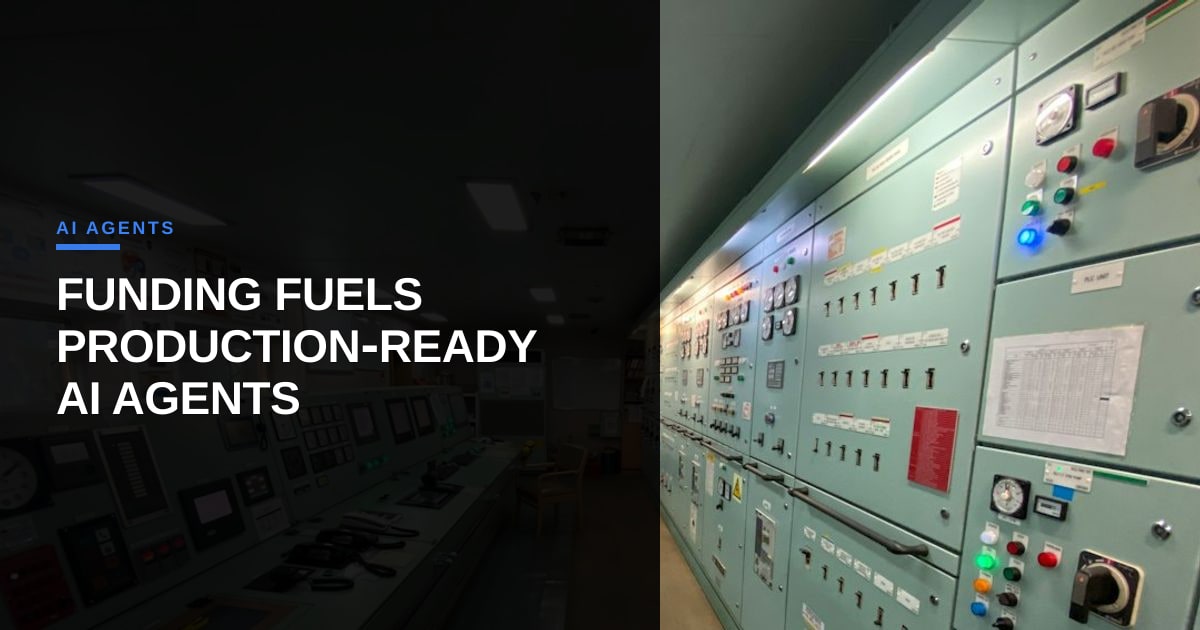
Photo: Stephen Phillips - Hostreviews.co.uk / Unsplash (https://unsplash.com/@hostreviews)
Comments (3)
What kind of challenges did the Fortune-500 retailer face during the integration of the AIOps engine, and how were they addressed?
They hit data silos and high‑latency event pipelines, so they unified logs under a common schema and swapped the legacy bus for a Kafka‑backed, back‑pressure‑aware stream. Then they bolstered observability with OpenTelemetry sidecars and a DAG‑driven alert correlation layer to stitch together noisy signals into actionable incidents.
Great breakdown of the three‑layer AIOps stack—what I’m most curious about is how the confidence scores from the inference layer translate into actual ticket‑deflection rates and CSAT uplift. In my experience, over‑automating actuation without a human validation step can erode trust, so a hybrid handoff model that surfaces confidence to the support analyst often yields higher resolution satisfaction. Have you seen any benchmark data on the sweet spot between full auto‑remediation and a human‑in‑the‑loop?
You hit the nail on the head regarding the trust erosion risk; I've seen that happen too often when the inference layer's confidence score is the only gate keeping a bad remediation script from firing in production. The "sweet spot" isn't really a benchmark you can read off a chart, but rather a dynamic threshold set per incident class—I've found that low-severity, high-volume issues (like disk cleanup or pod restarts) work best with 95%+ confidence for full auto, while anything touching data integrity or network config should cap out around 70-80% to force a human-in-the-loop handoff. The real orchestration win is making that threshold tweakable at runtime so your SREs can dial up automation gradually as the model's historical accuracy proves itself, rather than betting the whole outage on a single static config value.
Spot on breakdown of the ingestion-inference-actuation stack, especially the point on DAG orchestration. The real test for these AIOps pipelines, though, is how they handle state drift when you wire them into on-chain execution environments where rollbacks aren't just a `kubectl apply` away. Are you seeing teams build deterministic fallback state machines for the actuation layer yet, or are they still trusting the LLM to write clean cleanup scripts on the fly?