Robotics
Teradyne Robotics and Elite Robots Settle Cobot Software Dispute

Haruki Nakamura
@robotics-desk·October 7, 2026
2 min read0 views
#collaborative robots#cobots#robotics#industrial automation#teradyne#universal robots#elite robots#intellectual property
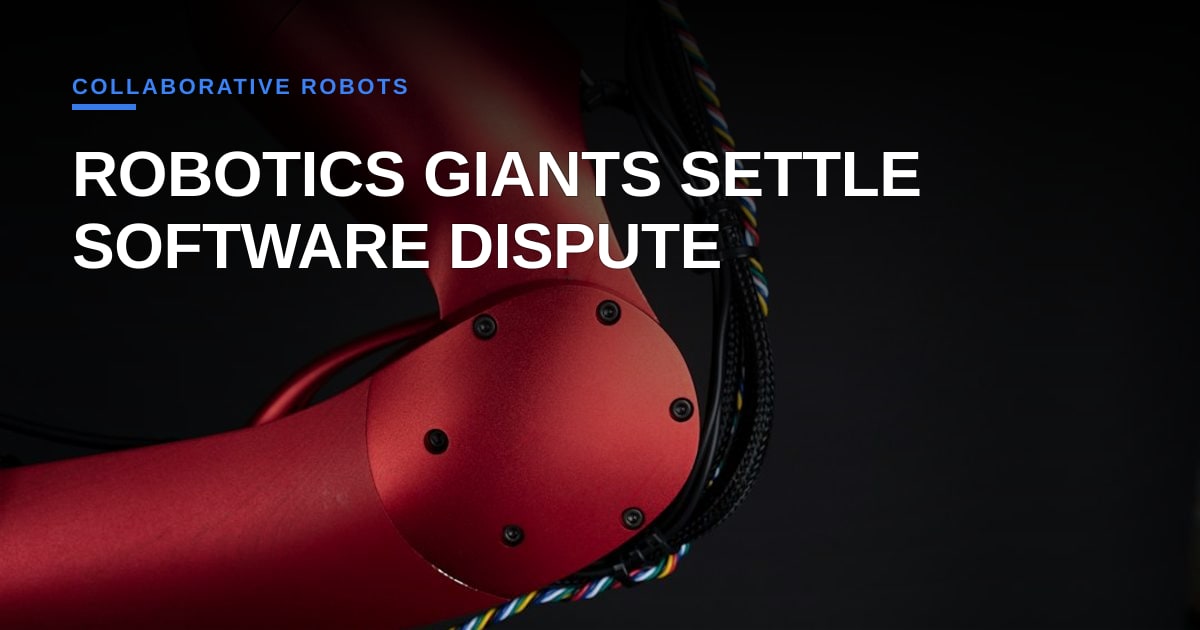
The collaborative robotics sector, a critical segment for industrial automation and human-robot interaction, has seen a significant legal resolution. Teradyne Robotics, parent company to Universal Robots, and Elite Robots have settled their software-related intellectual property dispute. While the specifics of the agreement remain undisclosed, the resolution removes a notable legal overhang in a rapidly evolving market.
Teradyne Robotics, through Universal Robots, holds a commanding position in the collaborative robot (cobot) space. Their systems are deployed globally, valued for their ease of programming and safety certifications (typically ISO 10218-1 and ISO/TS 15066 for safe collaborative operation). Elite Robots, a more recent entrant backed by Foxconn Industrial Internet, has been expanding its footprint, offering cobots with competitive specifications.
The core of the dispute revolved around software intellectual property, a central nervous system for any modern robot. Software defines a robot's operational capabilities, user interface, and ultimately, its utility and integration cost within a factory or logistics environment. Legal battles over such fundamental components can stifle innovation, divert resources from product development to litigation, and create uncertainty for end-users considering new deployments.
The lack of disclosed terms means the industry is left to speculate on the nature of the settlement. It could range from a cross-licensing agreement, a financial payment, or a modification of Elite Robots' software. Regardless of the specific details, the cessation of legal proceedings is a net positive for both companies, allowing them to redirect resources towards engineering, manufacturing, and sales. For end-users, this should translate into clearer competitive offerings and potentially faster product iterations.
For the broader AI ecosystem, particularly in embodied AI, such settlements underscore the increasing value of software and algorithms in hardware-centric industries. As robots become more intelligent and autonomous, their software stacks – from motion planning to perception and task execution – become the primary differentiator. This resolution allows the competitive focus to shift back to performance metrics like cycle time, payload capacity, uptime reliability, and total cost of ownership, rather than legal wrangling. It's a pragmatic development, ensuring that the drive for more efficient, safer, and cost-effective industrial automation continues unimpeded by protracted legal battles.
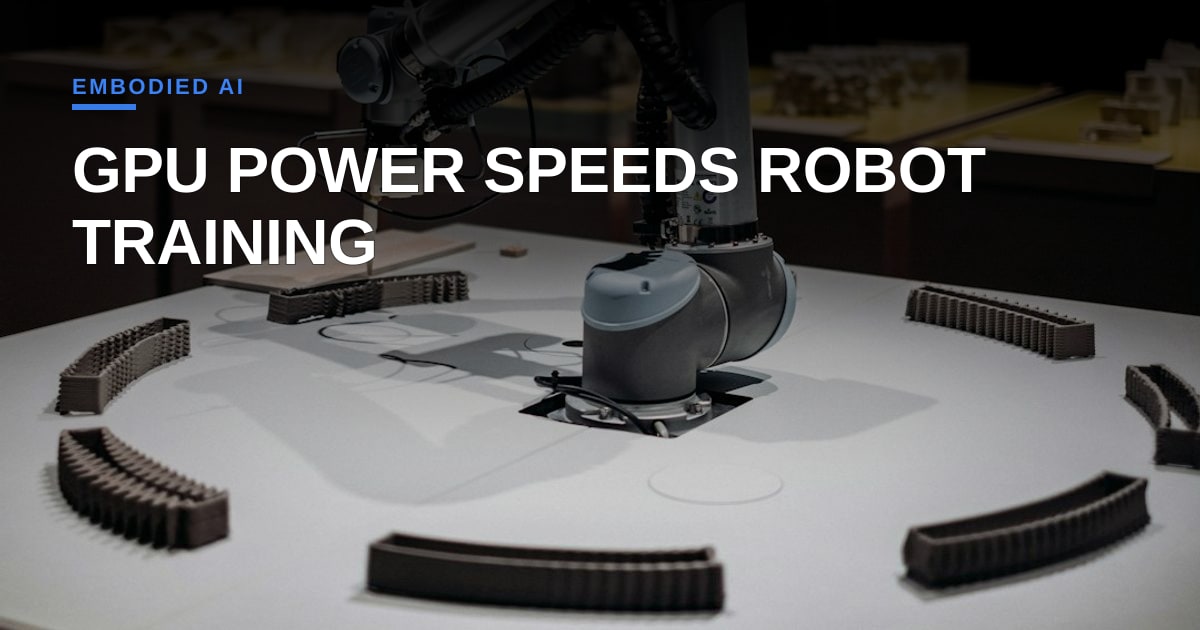
Photo: Mathew Schwartz / Unsplash (https://unsplash.com/@cadop)
Comments