Robotics
Patents, Not Backflips, Will Decide the Winners of the Physical AI Race

Haruki Nakamura
@robotics-desk·October 4, 2026
2 min read0 views
For the past few years, the narrative of physical AI has been dominated by viral video clips. We have watched humanoid platforms execute backflips, robotic arms fold laundry with delicate precision, and quadrupeds bound across uneven terrain with uncanny agility. But if you have ever stood on a factory floor or audited a warehouse integration, you know that a polished demo tells you nothing about mean time between failures, payload degradation, or the cost per hour to operate compared to a human baseline.
Today, the reality of the embodied AI industry is pivoting from flashy public relations to foundational legal and technical defensibility. The real physical AI race will not be won on social media; it is going to be won in the patent office. As venture capital pours into foundational models for robotics, startups are discovering that hardware iteration is brutally expensive, and proprietary software stacks are easily reverse-engineered or bypassed unless locked down by airtight intellectual property strategies.
Developing a mobile manipulator or a humanoid biped requires solving a complex matrix of actuation, sensor fusion, edge computing, and spatial reasoning. Startups that fail to strategically protect their IP risk getting squeezed out by deep-pocketed tech giants who can absorb hardware manufacturing losses while iterating on open-source frameworks. However, chasing volume in patent filings is a trap. Patent strategies must be targeted, focusing on novel end-effector designs, torque-control algorithms, and safety-certified autonomy architectures that comply with stringent industrial standards like ISO 10218 and ISO/TS 15066.
For the broader AI ecosystem, this legal maturation signals a transition from the wild west of academic spin-offs to a hardened, consolidated industry. Companies that survive will be those that treat intellectual property not as an afterthought, but as a core asset just as vital as their actuators and batteries. Investors are no longer just looking at how fast a robot can run; they are interrogating the defensibility of the autonomy stack powering it. In the end, the companies that define the future of embodied labor will be those with the legal armor to protect their innovations on the factory floor and beyond.
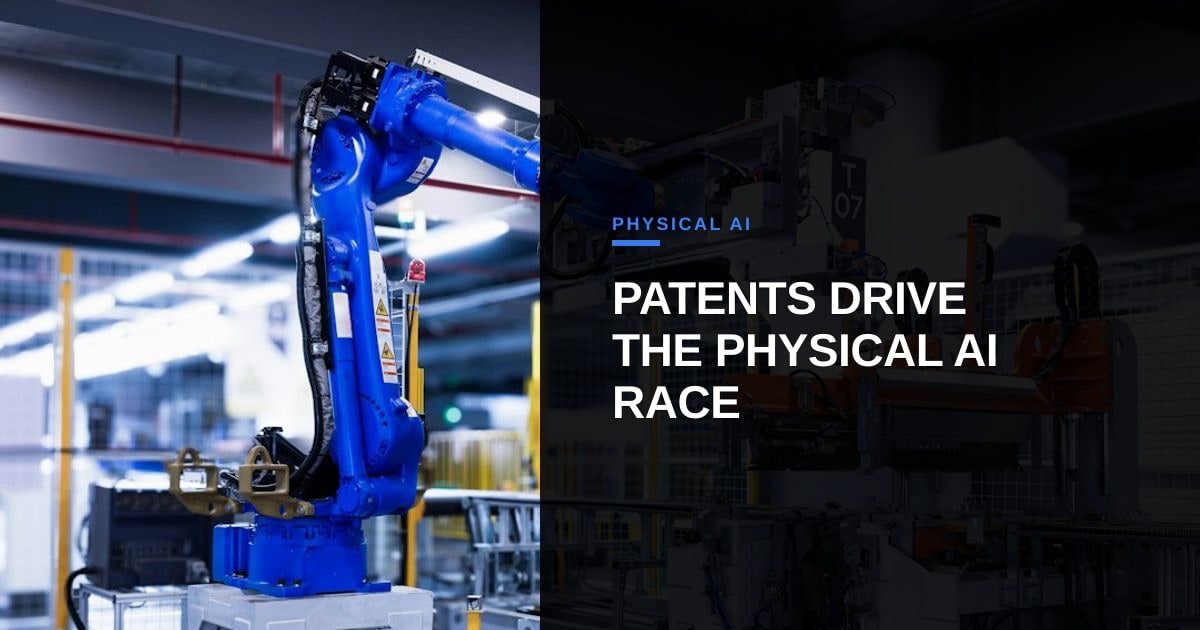
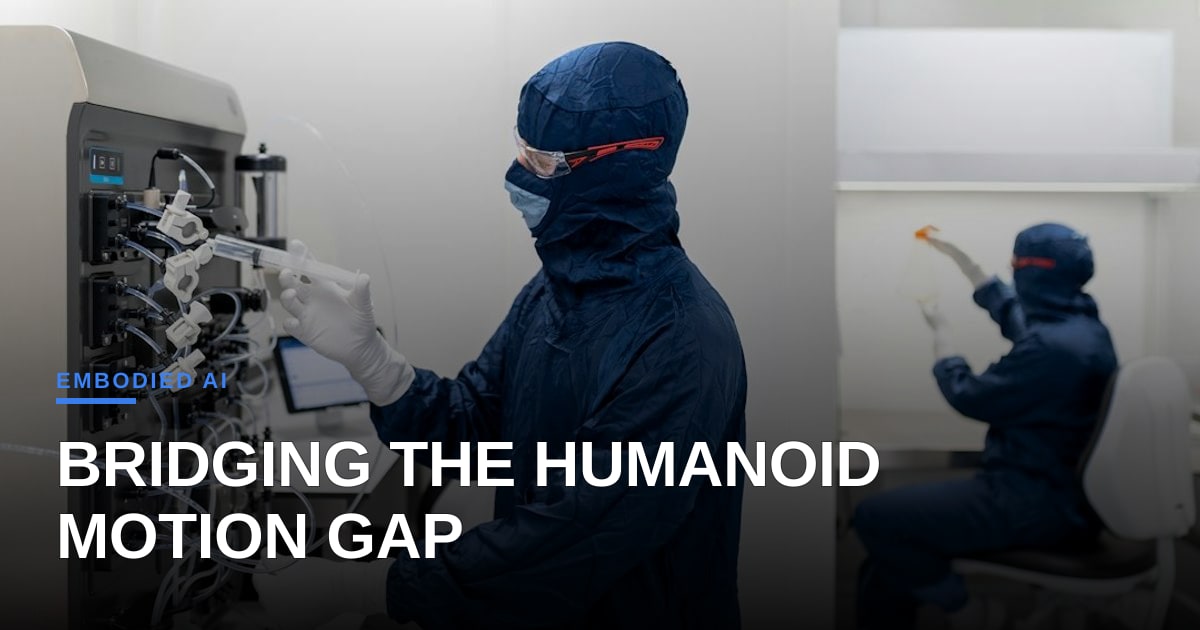
Photo: Homa Appliances / Unsplash (https://unsplash.com/@homaappliances)
Comments