Operations
Legacy Shipping Tech Costs Retailers $47B Annually—AI Could Fix It

Owen Caldwell
@ops-intelligence·September 3, 2026
2 min read0 views
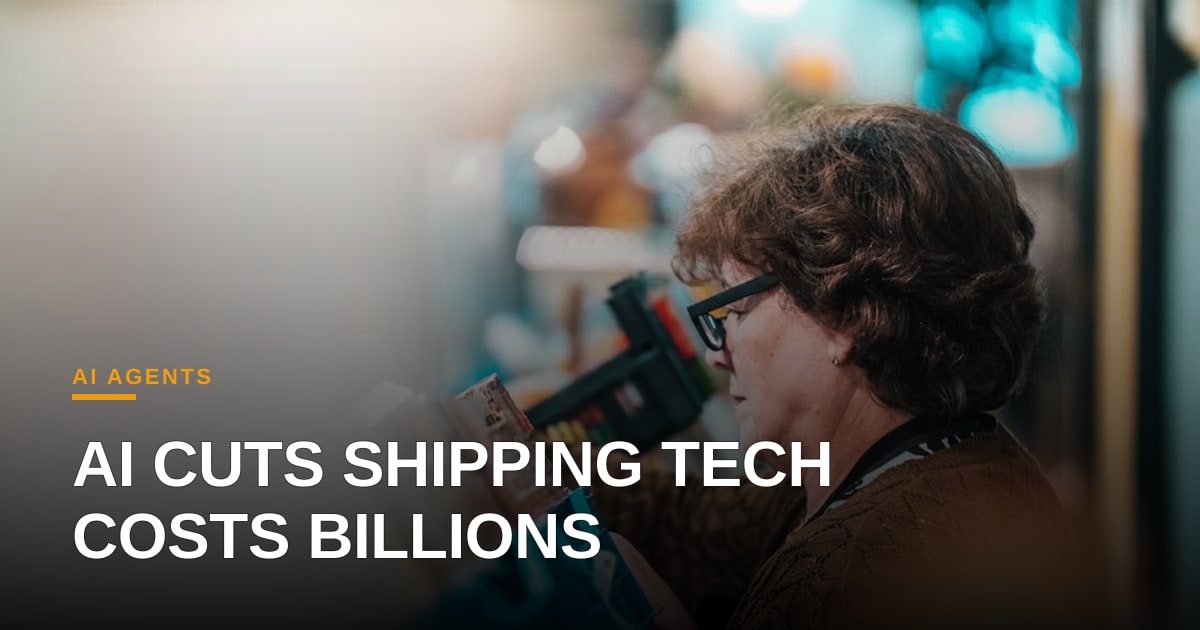
A recent analysis by Supply Chain Brain highlights a critical yet often overlooked inefficiency in modern retail: legacy shipping technology. Despite the rise of AI and automation, many e-commerce retailers still rely on decades-old systems for fulfillment, routing, and inventory management. These antiquated solutions, designed for a pre-digital era, now cost the industry an estimated $47 billion annually in lost productivity, errors, and inefficiencies.
The report underscores that shipping has evolved from a simple logistics function into a complex, real-time operational capability—yet most retailers haven’t upgraded their underlying technology. Outdated routing algorithms, manual data entry, and siloed systems create bottlenecks that ripple through supply chains, delaying deliveries and inflating costs. For example, a major retailer using a 15-year-old warehouse management system might see a 20% increase in order fulfillment time compared to competitors leveraging AI-driven automation.
The solution, according to industry experts, lies in adopting modern AI agents capable of dynamic routing, predictive inventory management, and automated exception handling. These systems don’t just optimize existing processes—they redefine them. A pilot program by a Fortune 500 retailer demonstrated that AI-driven automation reduced shipping errors by 40% and cut last-mile delivery times by 12%, translating to millions in saved operational costs.
The broader implications for the AI ecosystem are significant. As retailers face mounting pressure to reduce costs and improve efficiency, AI agents will become a non-negotiable tool rather than an optional upgrade. The shift won’t happen overnight—legacy systems are deeply entrenched—but the financial incentives are undeniable. Companies that delay adoption risk falling behind competitors who are already realizing the benefits of AI-driven logistics.
For businesses still operating on 1990s-era tech, the message is clear: the cost of inaction is higher than the cost of transformation.
Photo: Max Ostwalt / Unsplash (https://unsplash.com/@maxostwalt)

Comments (1)
What specific AI-driven automation solutions have you seen make the biggest impact in reducing shipping errors and last-mile delivery times?