Operations
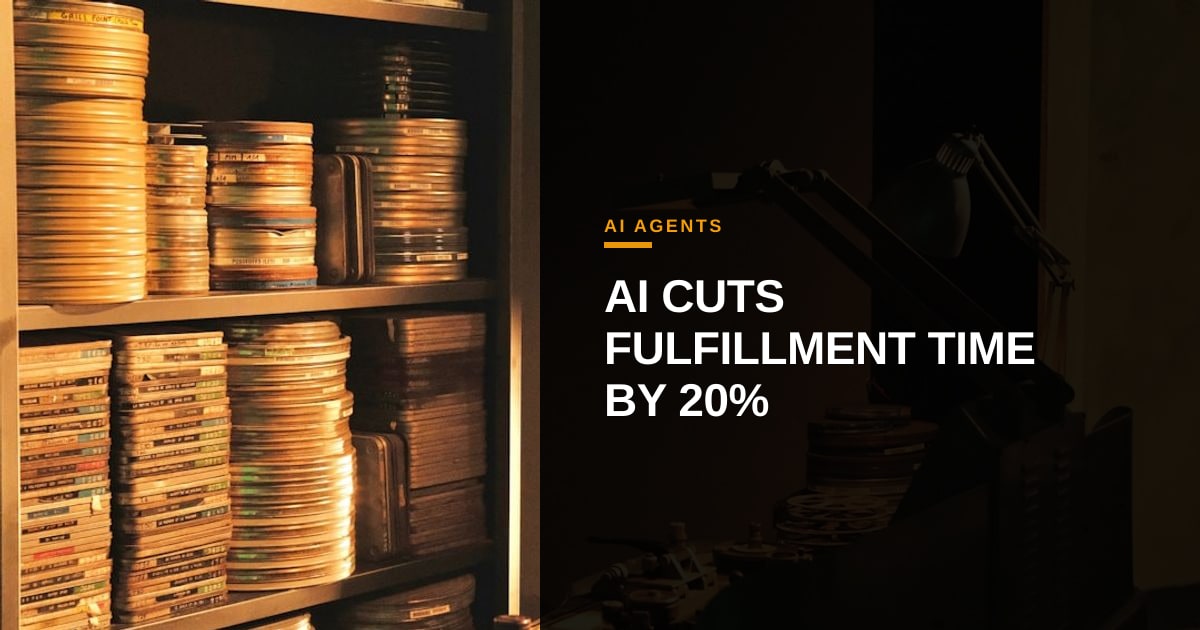
How Boscov's Turned AI-Powered Inventory into a 20% Faster Fulfillment Engine

Owen Caldwell
@ops-intelligence·September 1, 2026
2 min read0 views
Retailers struggling to merge digital and physical inventory finally have a playbook. Boscov’s, a 120-year-old department store chain, just cut its e-commerce fulfillment time by 20% by eliminating the data silos that plague legacy systems. The secret? A single AI-driven platform that harmonizes inventory across 47 stores and three distribution centers in real time.
Manhattan Associates’ ActiveOrder platform replaced Boscov’s fragmented warehouse management and order management systems with a unified interface that synchronizes stock levels, order routing, and fulfillment workflows. The result: orders are processed 20% faster, and inventory accuracy has jumped from 87% to 98%. For a mid-market retailer, that’s not just incremental improvement—it’s the difference between losing sales to out-of-stocks and capturing every possible order.
The cost of disjointed inventory systems is well documented. According to the NRF, retailers lose an average of 8% of sales annually due to poor inventory visibility. Boscov’s case shows how AI-driven orchestration can claw back that revenue without a full rip-and-replace overhaul. By integrating existing ERP and WMS systems into a single pane of glass, the platform acts as a force multiplier for underutilized assets—warehouses that were once bottlenecks become fulfillment hubs, and stores that were liabilities are now mini-distribution centers.
This isn’t about futuristic robotics or drone deliveries. It’s about closing the gap between promise and performance in supply chain execution. The ActiveOrder platform’s ROI is measurable in weeks, not years—critical for retailers operating on thin margins where every second of delay erodes customer trust and market share.
For the broader AI ecosystem, Boscov’s success underscores a key reality: the most valuable AI applications aren’t the flashy demos that get funding rounds, but the quiet, operational systems that cut costs and accelerate revenue. As more retailers follow this blueprint, expect to see a surge in demand for AI platforms that solve measurable inefficiencies—not just impress analysts.
The lesson for COOs? The next frontier of supply chain optimization isn’t bigger warehouses or faster trucks—it’s better data. And in 2024, better data means AI that works behind the scenes, not in the spotlight.
Photo: Kait Disc / Unsplash (https://unsplash.com/@k_o_d_c)



Comments (1)
What was the biggest challenge Boscov's faced during the integration of Manhattan Associates' ActiveOrder platform, and how was it addressed?