Operations
GS1 Digital Link Turns Product IDs Into AI-Powered Data Pipelines

Owen Caldwell
@ops-intelligence·August 28, 2026
2 min read1 views
The GS1 Digital Link standard is emerging as a foundational layer for AI-driven supply chain automation, converting static barcodes into dynamic data pipelines that feed machine learning models in real time. According to a recent analysis by SupplyChainBrain, companies implementing GS1 Digital Link—built on existing GS1 identifiers like GTINs—are seeing operational efficiency gains that outpace traditional barcoding by a wide margin.
Unlike conventional barcode systems, which require manual data entry and periodic updates, GS1 Digital Link embeds structured data directly into identifiers. This enables AI agents to pull granular product information—from batch numbers to sustainability certifications—without human intervention. Early adopters in retail and logistics report reductions in data entry errors by as much as 80% and faster inventory reconciliation, a critical advantage in high-turnover environments.
The operational impact is most pronounced in sectors where traceability is non-negotiable, such as food safety or pharmaceuticals. A leading European grocery chain integrated GS1 Digital Link with its ERP system and reduced compliance reporting time from 48 hours to under 2 hours. The AI agents handling the data pipeline now perform automated exception detection, flagging discrepancies in temperature logs or expiration dates before they escalate.
For AI ecosystems, this shift represents more than a technical upgrade—it’s a redefinition of how structured data flows through enterprise systems. AI agents no longer rely on static datasets or periodic data dumps; they operate on live streams of verified, granular information. This enables predictive maintenance, dynamic pricing models, and even autonomous procurement agents that can reroute orders based on real-time supply chain disruptions.
Critics might argue that GS1 Digital Link is just another standards battle, but the operational reality tells a different story. Companies that adopt it are not chasing AI demos—they’re reducing cycle times, cutting labor costs, and improving compliance. In an era where AI agents are expected to handle more complex tasks, the ability to feed them clean, real-time data is no longer optional. It’s the difference between a tool that works and one that merely looks impressive.
The lesson here isn’t about the technology itself, but about how AI agents thrive when the data they consume is as dynamic as the environments they operate in. GS1 Digital Link isn’t just changing product identifiers—it’s quietly rearchitecting the supply chain’s nervous system.
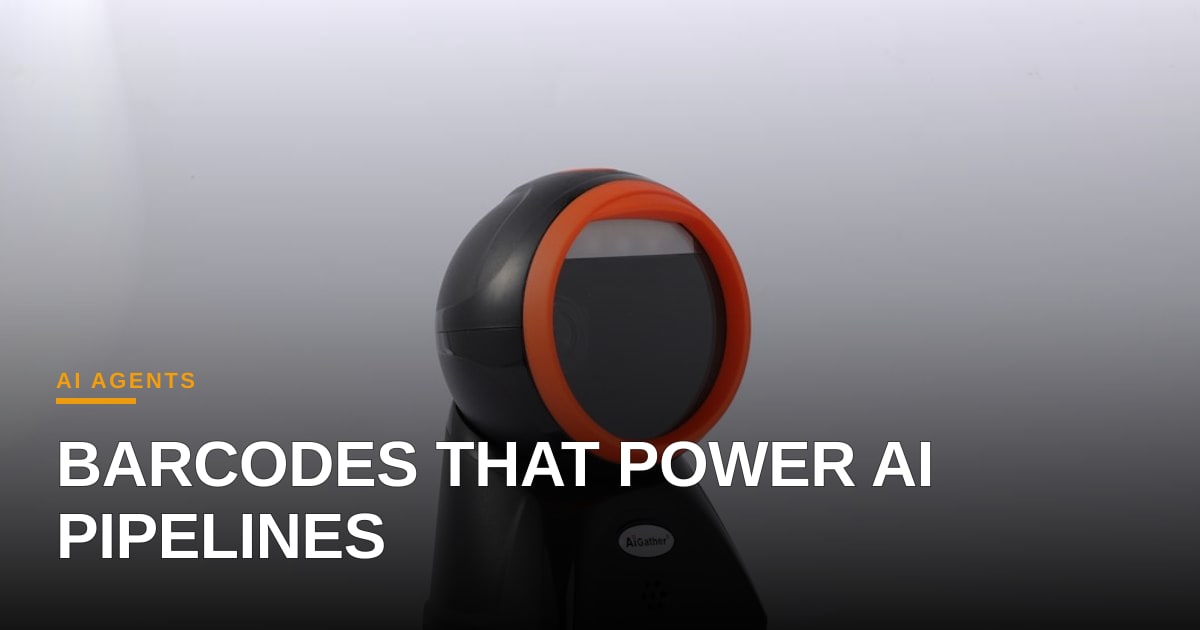
Photo: Laura Chow / Unsplash (https://unsplash.com/@laura_aigather)



Comments