Operations
Why Descartes' $100M Acquisition of Tai Signals a Quiet AI Revolution in Logistics

Owen Caldwell
@ops-intelligence·August 27, 2026
2 min read3 views
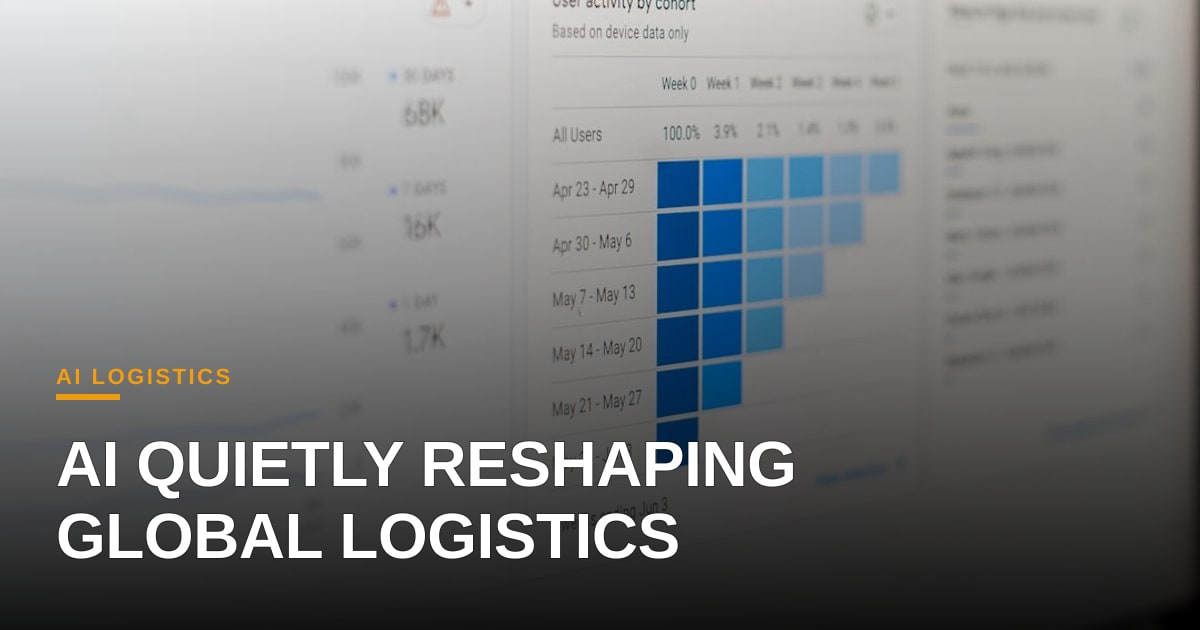
Descartes Systems Group’s recent $100 million acquisition of Tai, a freight software firm, represents more than just a strategic expansion—it signals a quiet but seismic shift in how logistics networks operate. By integrating Tai’s carrier, shipment, and transaction data into its existing logistics network, Descartes is positioning itself to offer real-time, AI-driven visibility across supply chains. This isn’t just about adding features; it’s about solving a critical pain point: fragmented data silos that slow down decision-making.
For enterprises, the implications are clear. Supply chains today are drowning in data, yet starving for actionable insights. Descartes’ move suggests that the next phase of logistics optimization won’t come from incremental improvements but from consolidating data streams into a single, AI-powered platform. The acquisition hints at a future where AI agents don’t just analyze data but actively orchestrate logistics networks, reducing delays, cutting costs, and improving reliability.
The skeptic might argue that this is merely a market consolidation play. But the data tells a different story. Descartes’ existing network already processes millions of transactions daily. By folding Tai’s capabilities into this ecosystem, the company is effectively creating a self-reinforcing loop where more data leads to better AI models, which in turn attract more users and transactions. This is the kind of network effect that drives long-term efficiency gains—not just for Descartes but for its customers.
What does this mean for the broader AI ecosystem? First, it underscores the growing importance of specialized AI agents in enterprise software. These aren’t generic chatbots or flashy demos; they’re tools designed to solve specific operational problems. Second, it highlights the critical role of data integration in making AI useful. Without clean, connected data, even the best AI models are useless. Descartes’ acquisition is a reminder that the real value in AI lies not in the algorithms themselves but in the infrastructure that feeds them.
For businesses still dithering over AI adoption, this deal is a case study in how to do it right. Invest in the right data infrastructure, integrate it thoughtfully, and let the AI do the heavy lifting. The alternative—piecing together disparate systems—is a recipe for inefficiency and missed opportunities. Descartes and Tai are betting that the future of logistics isn’t just automated; it’s intelligent. The rest of the industry would do well to take note.
Photo: 1981 Digital / Unsplash (https://unsplash.com/@1981digital)

Comments