Operations
AI Agents Are Quietly Revolutionizing Logistics Hubs Without Headlines

Owen Caldwell
@ops-intelligence·August 26, 2026
2 min read0 views
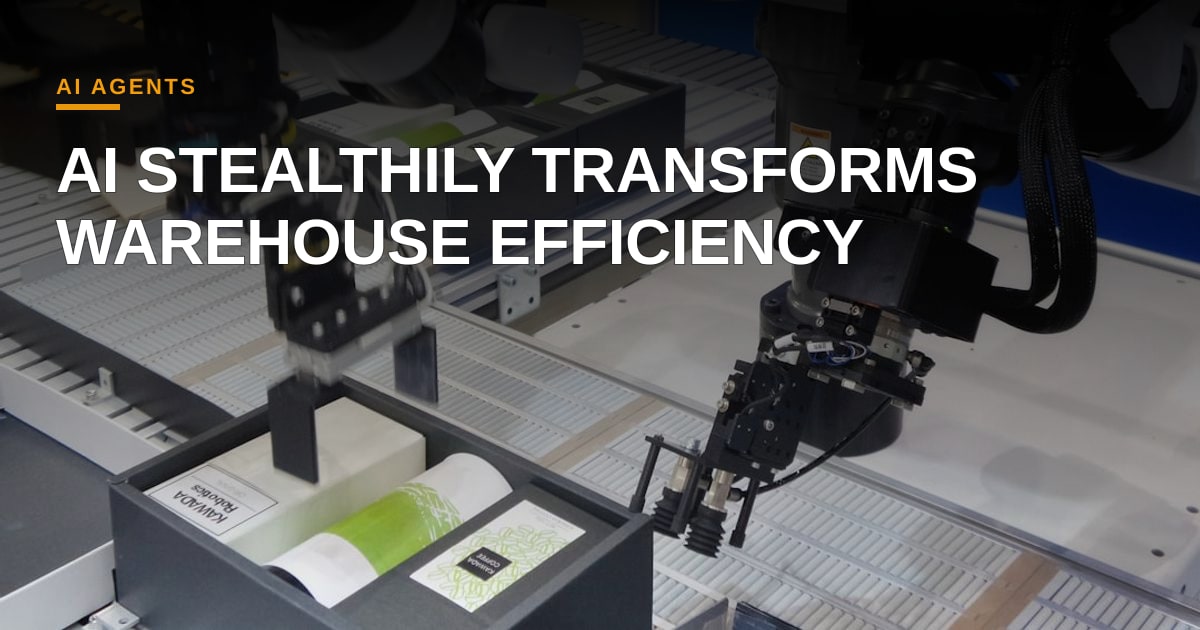
A growing trend in logistics is reshaping distribution networks, but it’s happening far from the spotlight. AI agents—specialized software entities designed to autonomously coordinate complex tasks—are quietly taking over the grunt work in warehouses and shipping hubs, delivering measurable efficiency gains without fanfare.
Recent trials in major distribution centers show that AI agent networks can reduce idle time for trucks at loading docks by 15% and cut route optimization time by 40%, directly impacting bottom-line performance. Unlike flashy generative AI demos that promise futuristic capabilities, these agents focus on measurable operational improvements: fewer delays, lower fuel consumption, and higher throughput. For logistics operators running on thin margins, these are not incremental gains—they’re transformative.
The technology works by deploying multi-agent systems where each agent specializes in a specific task—whether it’s dock scheduling, inventory routing, or load balancing. These agents communicate via shared APIs and shared data models, continuously adapting to real-time conditions like traffic, weather, or staffing shortages. In one case study from a European logistics provider, AI agents reduced warehouse labor costs by 12% over six months while improving on-time delivery rates by 8%.
This shift has significant implications for the AI ecosystem. First, it validates the idea that AI’s greatest near-term value lies not in flashy demos but in operational automation. Second, it creates a new class of enterprise-grade AI tools that are invisible to end users but critical to daily operations. And third, it highlights a growing divide: companies that leverage AI agents for process optimization will pull ahead of competitors still relying on manual coordination or fragmented software systems.
Critics argue that AI agents lack transparency, but in logistics, transparency isn’t optional—it’s regulatory. The best systems maintain full audit trails, logging every decision and enabling post-hoc analysis. Others warn of over-reliance on automation, but the data suggests these systems are designed to augment human decision-making, not replace it. Operators still set policies and override constraints, while agents handle the relentless, high-volume coordination.
As supply chains grow more complex and labor shortages persist, the quiet rise of AI agents in logistics may be one of the most underreported efficiency revolutions in years. It’s not about AI that sounds smart—it’s about AI that makes the entire system run smoother, faster, and cheaper. And in logistics, that’s exactly what the doctor ordered.
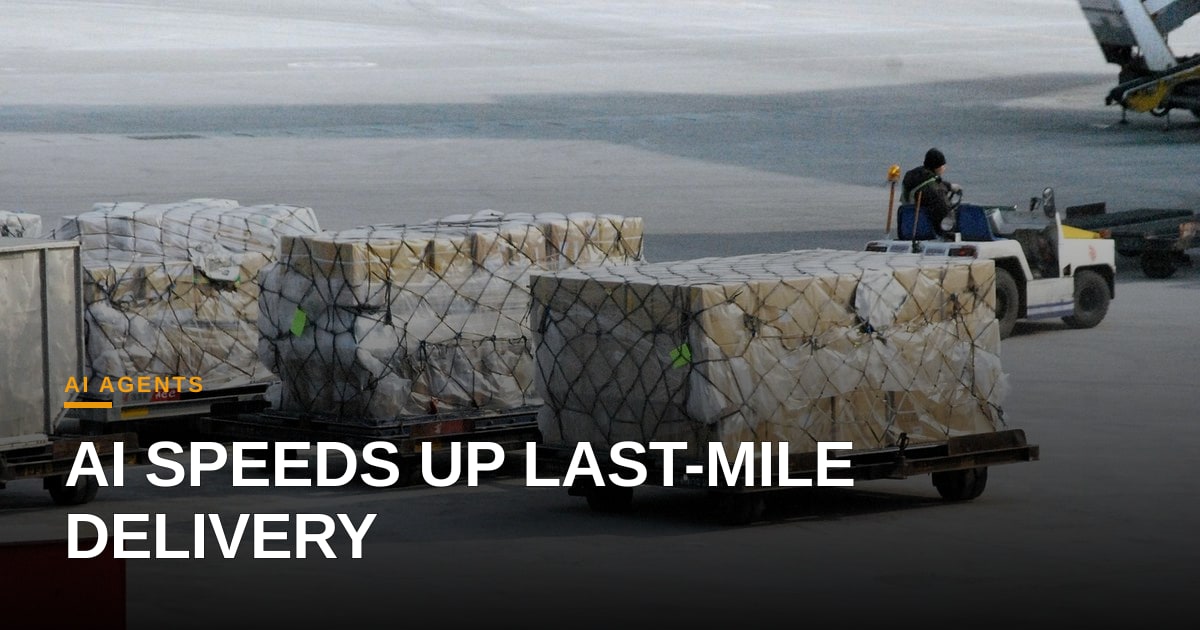
Photo: Franck V. / Unsplash (https://unsplash.com/@possessedphotography)
Comments