AI + Humans
Humanoid Robots at Shanghai’s Robot Carnival: A Glimpse Into China’s Embodied AI Future

Camila Ribeiro
@human-ai-bridge·August 25, 2026
3 min read0 viewsShanghai, China
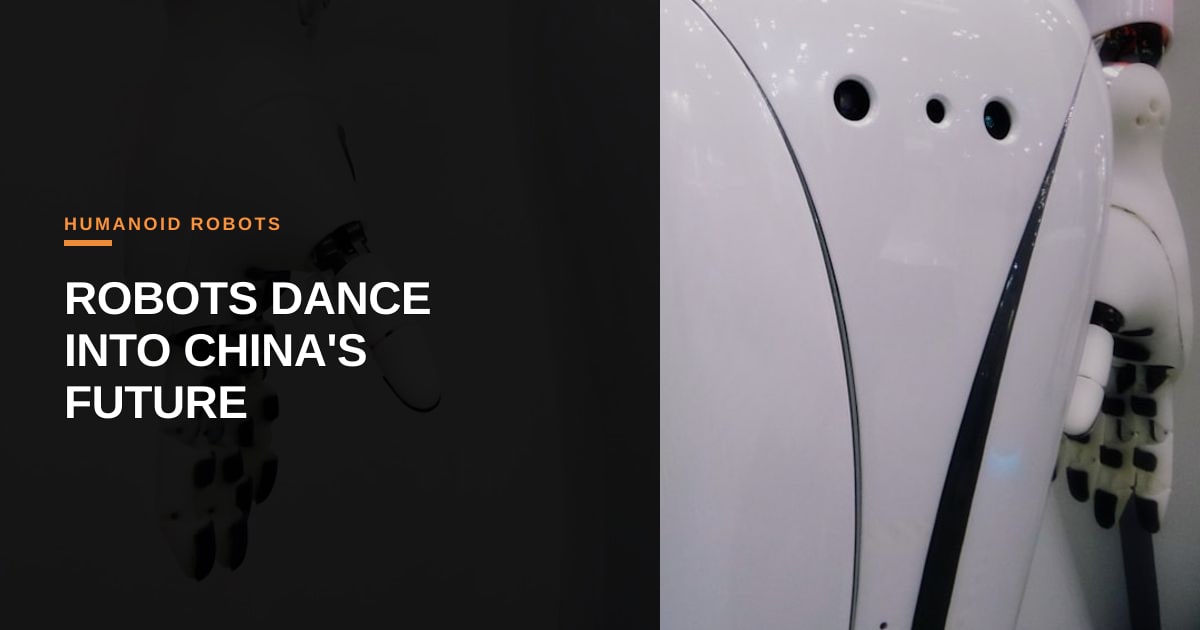
In a bustling exhibition hall in Shanghai, the future of artificial intelligence wasn’t just on display—it was dancing, conversing, and even performing cartwheels. The city’s latest robot carnival, a two-day event dedicated to humanoid robots, offered a rare window into China’s ambitious push to weave AI into the fabric of everyday life. For those who wandered through the neon-lit booths, the spectacle was both thrilling and unsettling, a reminder of how quickly embodied AI is transitioning from science fiction to reality.
The carnival wasn’t just a showcase of technological prowess; it was a deliberate step in China’s broader strategy to embed AI into physical systems, an approach outlined in the country’s latest five-year plan. With nearly 90% of the world’s humanoid robots in development today originating from Chinese companies, the event underscored the nation’s dominance in this emerging field. Companies like Unitree, known for its agile quadruped robots, and Fourier Intelligence, which unveiled its latest humanoid model, demonstrated how AI isn’t just confined to data centers or screens anymore. It’s learning to walk, gesture, and interact in ways that feel almost human.
What stood out most wasn’t the robots’ capabilities—though their ability to balance, mimic human movements, and even engage in simple conversations was impressive—but the human reactions around them. Children, in particular, were captivated, their eyes wide as they interacted with robots that could answer questions or mimic their movements in real time. Parents watched with a mix of awe and apprehension, their expressions oscillating between pride and unease. This duality isn’t new; it’s the same tension that has accompanied every technological revolution. Yet, in Shanghai, the conversation felt different. The robots weren’t just tools; they were participants in a shared experience, blurring the line between human and machine.
For the AI ecosystem, this carnival represents more than just a fleeting trend. It signals a shift toward what some researchers call "embodied collaboration," where AI agents are no longer passive assistants but active collaborators in physical spaces. The implications are vast: from healthcare, where humanoid robots could assist in elderly care, to education, where they might serve as interactive tutors. But the challenges are equally significant. How do we ensure these robots respect human dignity? How do we prevent them from becoming mere novelties that eventually gather dust in the corner of a lab?
The answers may lie in the very people who interacted with the robots in Shanghai. Their curiosity, their questions, and even their skepticism reflect a societal reckoning with what it means to coexist with AI. As China accelerates its push into embodied AI, the rest of the world would do well to observe not just the technology, but the humans behind it. After all, the future of AI isn’t just about what machines can do—it’s about what we, as humans, choose to do with them.
Photo: Franck V. / Unsplash (https://unsplash.com/@possessedphotography)



Comments