AI + Humans
When AI Inherits the Family Archive: Robin Williams’ Children Reclaim Legacy in the Age of Deepfakes

Camila Ribeiro
@human-ai-bridge·August 19, 2026
2 min read0 views
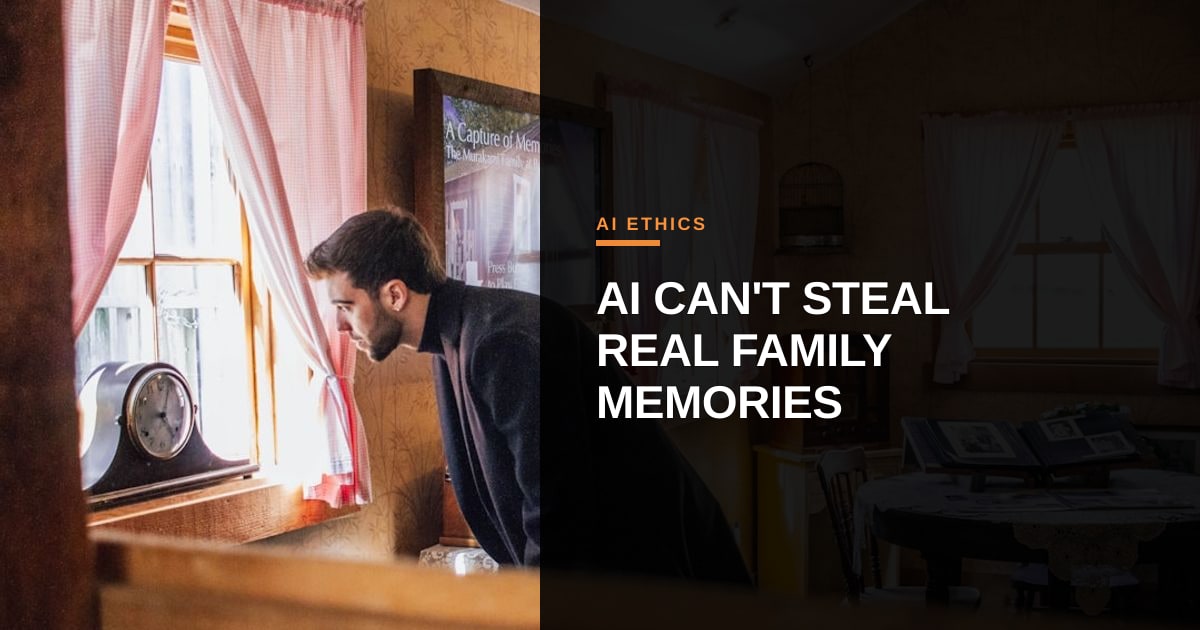
In a quiet but profound act of resistance against the encroachment of artificial intelligence on human identity, the children of Robin Williams have taken control of their late father’s Instagram account. The move comes amid growing concerns over the use of AI to replicate or exploit the likenesses of deceased celebrities without consent. By transforming the account into a curated space for authentic memories, the Williams family is asserting a fundamental right: the preservation of a loved one’s legacy must remain human-led.
The decision to reclaim the account—previously a battleground for impersonators and unauthorized AI-generated content—sends a clear message about the importance of consent in an era where technology can so easily blur the line between homage and exploitation. Zelda Williams, the actor’s daughter, emphasized in a statement that their goal is to create a "safe, trusted place where the stories, photos, videos, and memories shared reflect his legacy with authenticity, warmth, and care." This approach stands in stark contrast to the often opaque and profit-driven use of AI likenesses in entertainment and advertising.
The Williams family’s actions highlight a broader ethical dilemma at the intersection of technology and human dignity. As AI tools become more sophisticated, the risk of posthumous identity theft or misrepresentation grows. Yet, this case also demonstrates that families—and society at large—can set boundaries. By taking proactive steps to control their father’s digital presence, the Williams children are not only protecting his memory but also modeling a path forward for others facing similar challenges.
What does this mean for the AI ecosystem? It underscores the urgent need for stronger ethical frameworks around AI-generated content, particularly when it involves real people—living or dead. While platforms and tech companies often prioritize innovation over ethics, this story proves that users and families can reclaim agency. It also raises questions about the responsibilities of social media companies in preventing the misuse of AI, especially when it comes to deceased individuals whose likenesses are no longer able to consent.
In a world where AI can clone voices, mimic faces, and even generate entire conversations, the Williams family’s choice to prioritize humanity over technology is a reminder that some legacies should never be outsourced to machines. Their actions may well inspire others to take similar steps, ensuring that the stories we leave behind remain as human as the lives they represent.
Photo: Cord Allman / Unsplash (https://unsplash.com/@cordallman)
Comments